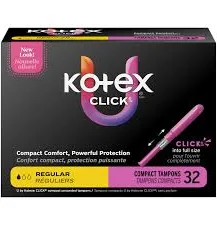
u by kotex compact regular unscented tampons, 32 tampons
Lower concern. Core materials inherently low-risk, brand silent on PFAS.
Tampons are primarily rayon and cotton, materials with no known PFAS risk. U by Kotex makes no PFAS claims either way; no third-party testing data publicly available.
We flunk more products than we pass. This one earned its grade. How we grade
Material
rayon/viscose core, cotton/synthetic blend
Lab data
No public lab test
You may also be interested in
Top-graded picks in the categories readers replace first, every one scored on the same rubric.

- polypropylene filter housing, carbon/sediment cartridge
- We found no PFAS statement from the brand
- Bacterial growth in spent cartridges
3 hazards checked on this product, all on its full breakdown.

Aquasure
Premier Series 75 GPD Under Sink Reverse Osmosis Water Filtration System
- RO membrane, carbon filters, stainless steel housing
- We found no PFAS statement from the brand
- Bacterial and microbial growth in housing and filters
4 hazards checked on this product, all on its full breakdown.

Avocado
Vegan Mattress
- organic cotton, natural latex, coconut coir, recycled steel coils
- The brand calls it PFAS-free, which we have not verified
- Heavy metals
2 hazards checked on this product, all on its full breakdown.
What u by kotex compact regular tampons is made of, ingredients and materials
U by Kotex Compact Regular tampons use a rayon/viscose core (bleached cellulose fibers) wrapped in a cotton/synthetic blend applicator and outer absorbent layer. Rayon is chemically processed from wood pulp but does not retain harmful residues in the final fiber form. The unscented formulation avoids fragrance additives, which eliminates a common source of undisclosed chemicals and potential irritants in period products.
What’s concerning
Category baseline
The starting point for this type of product, before anything specific to this product is counted.
No PFAS disclosure
No public statement from the brand about PFAS in this product.
Skin irritation or allergic contact dermatitis from materials
Rayon/cotton blends are low-irritancy materials, but individual sensitivity to synthetic fibers in the applicator or coating is possible. No brand-specific irritation pattern is documented for U by Kotex in available sources.
Toxic shock syndrome (TSS) from prolonged wear
TSS is a known rare but serious risk associated with all tampons, including conventional rayon/cotton variants. Risk is mitigated by following standard usage guidelines (change every 4-8 hours). This is a category-wide concern, not specific to U by Kotex.
Applicator degradation and microplastic shedding
Synthetic blend applicators can degrade with friction or moisture exposure. No independent testing of U by Kotex applicators for microplastic shedding is available; this remains a potential concern for all synthetic-applicator tampons.
What’s reassuring
Base material not linked to PFAS
The main material recorded for this product is not one associated with PFAS.
Bleaching residues (dioxins/furans) in rayon core
Rayon is bleached during manufacturing; however, final fiber products used in U.S. marketed tampons are not established to retain harmful dioxin or furan residues at toxicologically relevant levels. No public recalls or safety alerts specific to this product exist on record.
Fragrance allergens and undisclosed fragrance chemicals
This product is unscented, eliminating fragrance as a hazard source. Scented variants of tampons have historically been criticized for undisclosed fragrance additives; this formulation avoids that risk.
How is this PFAS grade calculated?
The brand's record and disclosure
Kotex (owned by Kimberly-Clark) does not publish detailed ingredient lists or third-party testing results for this product line, which is typical for mainstream tampon manufacturers. The brand has not faced major recalls or public health controversies tied to this product specifically. U by Kotex markets toward younger consumers and does not claim organic, hypoallergenic, or premium safety certifications that might prompt higher scrutiny.
How it compares in its category
This product occupies the mainstream middle ground, more affordable than certified organic/medical-grade alternatives (such as Organyc or Seventh Generation) but similarly composed to other conventional tampons using rayon/cotton blends. It lacks third-party certifications (e.g., OEKO-TEX, Cradle to Cradle) that some competitors pursue. The unscented option is a practical advantage over scented variants, which introduce fragrance chemicals with minimal disclosed safety data.
If you buy it
Follow standard tampon hygiene, change every 4-8 hours to reduce toxic shock syndrome (TSS) risk, regardless of absorbency. Store in a dry place; do not expose to excessive heat or moisture, which can degrade the applicator integrity. Discontinue use and consult a healthcare provider if you experience unusual irritation, odor, or symptoms consistent with TSS (fever, rash, dizziness). This product is designed for single use only.
What is not known about PFAS in this product?
- Basis
- Model estimate, 72% confidence, not a lab result
- Lab test
- None on record for this exact product
- Brand statement
- U by Kotex has made a specific claim
Formulations change between production runs, so check the current label. How we grade.
What are the PFAS-free alternatives to u by kotex compact regular unscented tampons, 32 tampons?
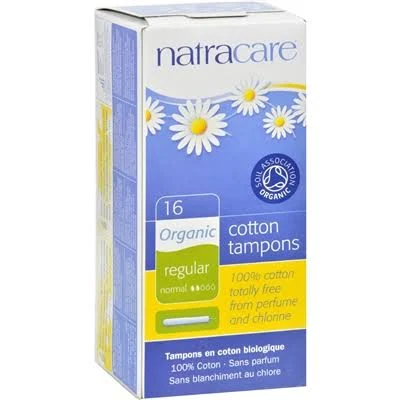
- 100% organic cotton
- A third party reports verifying it as PFAS-free
- Heavy metals
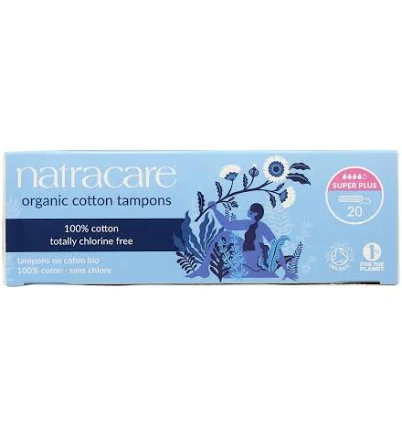
Natracare
Organic Super Plus Tampons, 3 x 20 ct
- organic cotton, cardboard applicator
- The brand calls it PFAS-free, which we have not verified
- Dioxins from bleaching
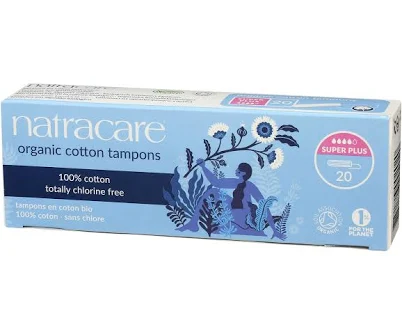
Natracare
Organic Cotton Super Plus Tampons
- organic cotton, no added fluorochemicals
- The brand calls it PFAS-free, which we have not verified
- Verified PFAS-free by a third party
More tampons grades
How we score, every product runs through the same public 0-100 rubric based on materials, coatings, brand disclosure, lab findings, and recalls. See the full methodology → Spotted a mistake? Report an error.