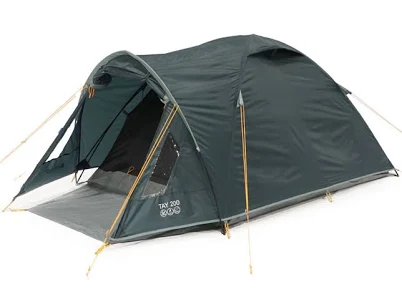
3 Persons Tunnel Tents
Concern remains due to water-repellent coating with no disclosed chemistry or PFAS statement.
This tent uses polyester fabric with a water-repellent coating. The coating chemistry is not stated. The brand has no PFAS statement on record for this product.
Still want this one anyway? Check the price on Amazon. We’d swap it.
Material
Polyester fabric with water-repellent coating (water-repellent coating) coating
Brand disclosure
Brand is silent on PFAS
Lab data
No public lab test
You may also be interested in
Top-graded picks in the categories readers replace first, every one scored on the same rubric.

- polypropylene filter housing, carbon/sediment cartridge
- We found no PFAS statement from the brand
- Bacterial growth in spent cartridges
3 hazards checked on this product, all on its full breakdown.

Aquasure
Premier Series 75 GPD Under Sink Reverse Osmosis Water Filtration System
- RO membrane, carbon filters, stainless steel housing
- We found no PFAS statement from the brand
- Bacterial and microbial growth in housing and filters
4 hazards checked on this product, all on its full breakdown.

Avocado
Vegan Mattress
- organic cotton, natural latex, coconut coir, recycled steel coils
- The brand calls it PFAS-free, which we have not verified
- Heavy metals
2 hazards checked on this product, all on its full breakdown.
What 3 Persons Tunnel Tents is made of, ingredients and materials
This tent uses polyester fabric, a petroleum-derived synthetic that is chemically stable and does not off-gas formaldehyde or volatile organic compounds (VOCs) under normal camping conditions. The critical component is the water-repellent coating (water-repellent coating) coating applied to the polyester shell. water-repellent coating coatings traditionally relied on fluorinated compounds (PFAS) to repel water; The brand has not publicly disclosed whether this model uses PFAS-free alternatives or traditional fluorinated chemistry. The coating's composition directly affects both waterproofing performance and potential contamination risk during normal use and care.
What’s concerning
Category baseline
The starting point for this type of product, before anything specific to this product is counted.
No PFAS disclosure
No public statement from the brand about PFAS in this product.
Waterproof / stain-resistant treatment
Water-repellent coating treatments have historically used PFAS.
PFAS
The tent's water-repellent coating is the primary concern. The brand has not disclosed whether it uses traditional PFAS or PFAS-free alternatives, placing this product in the higher-risk category for fluorinated chemical exposure during normal use and washing.
Source, ATSDR ↗Coating degradation and potential leachate over time
As the water-repellent coating wears from weathering, washing, or abrasion, any fluorinated compounds embedded in the layer may leach into water or soil at higher rates. The practical lifespan of the coating and its leaching behavior under field conditions are not documented in public sources.
Polyester fiber shedding and microplastic release
Polyester tents can shed microfibers during heavy use, rain exposure, or when seams degrade. While this is not a direct health hazard during camping, washing or weathering may contribute microplastic release to freshwater environments, a growing concern for synthetic outdoor gear.
What’s reassuring
Formaldehyde / VOCs
Modern polyester fabrics and coatings typically do not use formaldehyde in their core chemistry. No documented cases of formaldehyde off-gassing from tunnel tents exist in public records, making this a low concern for this product category.
Source, ATSDR ↗Heavy metals
Polyester fabrics and water-repellent coating coatings do not routinely contain regulated heavy metals such as lead or cadmium. No safety alerts or recalls involving heavy metal contamination have been documented for tents.
Source, FDA ↗How is this PFAS grade calculated?
The brand's record and disclosure
The brand, a Scottish outdoor brand owned by Blacks Leisure Group, maintains a limited public record on chemical transparency for tent coatings. The company has not issued widely available statements clarifying whether its water-repellent coating coatings are PFAS-free or PFAS-containing. No major recalls or safety controversies specific to tent coatings have been documented in consumer safety databases. Direct contact with regarding the specific water-repellent coating formulation used in this 3-person tunnel model is necessary to clarify PFAS status.
How it compares in its category
Tunnel-design tents from mainstream outdoor brands typically use polyester with water-repellent coating coatings; The brand's approach is standard for the mid-market segment. Some premium competitors (e.g.Fjallraven, some REI Co-op models) have begun transparency efforts around alternatives to PFAS-based water-repellent coating, though widespread industry adoption of non-PFAS water-repellent coating approaches remains limited. Budget and mid-range brands like rarely lead on chemical disclosure, making this product representative of typical opacity in the category rather than exceptional.
If you buy it
Store the tent dry and well-ventilated indoors, away from direct heat or sunlight, to extend coating life and minimize any potential leaching from the water-repellent coating layer. Avoid machine washing; clean with cool water and mild soap by hand, as harsh detergents and hot water can degrade the water-repellent coating faster. Reapply water-repellent coating treatments as needed (typically every 2-3 seasons of regular use) using products labeled PFAS-free if available, since recoating with traditional PFAS-based formulations would reinforce the original concern. Before purchase, email directly requesting confirmation of whether the 3-person tunnel tent's water-repellent coating contains PFAS, and consider this tent suitable only if that clarification is satisfactory to you.
What is not known about PFAS in this product?
- Basis
- Model estimate, 42% confidence, not a lab result
- Lab test
- None on record for this exact product
- Brand statement
- has made none
Formulations change between production runs, so check the current label. How we grade.
More camping tents & tarps grades
How we score, every product runs through the same public 0-100 rubric based on materials, coatings, brand disclosure, lab findings, and recalls. See the full methodology → Spotted a mistake? Report an error.