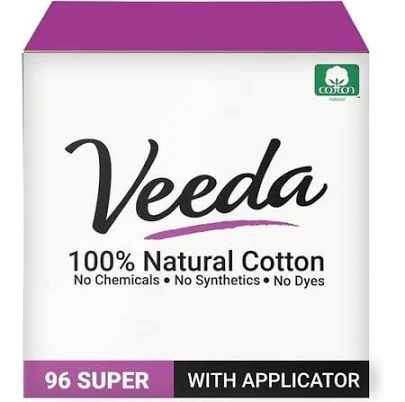
Veeda 100% Natural Cotton Super Tampons with Compact BPA-Free Applicator
Lower concern. Cotton core with plastic applicator of undisclosed chemistry.
The tampon core is 100% cotton, not a material linked to PFAS. The plastic applicator chemistry is not stated. Veeda has no PFAS statement on record.
We flunk more products than we pass. This one earned its grade. How we grade
Material
100% cotton with BPA-free plastic applicator
Brand disclosure
Brand is silent on PFAS
Lab data
No public lab test
You may also be interested in
Top-graded picks in the categories readers replace first, every one scored on the same rubric.

- polypropylene filter housing, carbon/sediment cartridge
- We found no PFAS statement from the brand
- Bacterial growth in spent cartridges
3 hazards checked on this product, all on its full breakdown.

Aquasure
Premier Series 75 GPD Under Sink Reverse Osmosis Water Filtration System
- RO membrane, carbon filters, stainless steel housing
- We found no PFAS statement from the brand
- Bacterial and microbial growth in housing and filters
4 hazards checked on this product, all on its full breakdown.

Avocado
Vegan Mattress
- organic cotton, natural latex, coconut coir, recycled steel coils
- The brand calls it PFAS-free, which we have not verified
- Heavy metals
2 hazards checked on this product, all on its full breakdown.
What Veeda 100% Natural Cotton Super Applicator is made of, ingredients and materials
The absorbent core is 100% cotton, which is inherently free of synthetic flame retardants and does not require chemical binding agents that pose leaching risk. The applicator is plastic and explicitly BPA-free, though the specific polymer (likely polypropylene or polyethylene) is not disclosed by the brand. Cotton tampons generally carry lower chemical hazard profiles than rayon or rayon-blend products because rayon manufacturing involves fewer dye stages and does not require the same level of synthetic sizing.
What’s concerning
Category baseline
The starting point for this type of product, before anything specific to this product is counted.
No PFAS disclosure
No public statement from the brand about PFAS in this product.
BPA & bisphenols
Brand explicitly claims BPA-free; specific polymer and phthalate status not disclosed. Applicator contacts mucous membranes but for brief periods only. Risk is substantially lower than single-use plastic food containers because exposure is acute and applicator does not contact vaginal tissue directly (only absorbent core does).
Source, FDA ↗Bacterial or mold contamination (product storage)
Cotton is hygroscopic and can harbor bacterial growth if stored in humid conditions before use. This is a storage and consumer-handling risk, not a manufacturing defect specific to Veeda. Keep sealed packages in dry environments and discard any tampons exposed to moisture.
What’s reassuring
Base material not linked to PFAS
The main material recorded for this product is not one associated with PFAS.
Dioxin (chlorine-bleaching byproduct)
Veeda does not publicly specify bleaching method. All FDA-regulated U.S. tampons (including Veeda) must meet stringent dioxin limits; residual levels are considered negligible per EPA and regulatory data. No brand-specific dioxin testing or exceedance has been reported.
Rayon chemical residues (not applicable here)
This product is 100% cotton core, so viscose/rayon processing chemicals are not a concern. Rayon tampons carry theoretical (though minimal) risk of residual sodium hydroxide or sulfuric acid; cotton avoids this entirely.
Fragrance or dye residues in cotton
Veeda does not market scented or dyed variants of this product. Unbleached or minimally processed cotton minimizes dye exposure. No adverse reactions or allergen reports linked to Veeda tampons are established in public records.
How is this PFAS grade calculated?
The brand's record and disclosure
Veeda markets itself as a natural-focus brand and has achieved organic cotton certification for some product lines. The brand does not publicly disclose detailed applicator polymer composition, bleaching methods, or third-party safety testing results. No recalls or formal safety complaints have been established in public records for Veeda tampons. The explicit BPA-free claim suggests awareness of endocrine-disruptor concerns, though this is now baseline for most mainstream brands.
How it compares in its category
Most conventional tampons use rayon or rayon-cotton blends; 100% cotton options are less common and typically priced higher. Veeda's all-cotton positioning aligns with organic and natural-focused competitors like Cora and Seventh Generation rather than mass-market brands. The BPA-free applicator is standard across major brands today but was a differentiator a decade ago. Cotton-only construction reduces dioxin formation risk compared to rayon, though dioxin levels in all U.S. tampons are considered negligible by regulatory standards.
If you buy it
Store in a cool, dry place away from moisture to prevent mold or bacterial growth in the applicator. No special heating or chemical exposure concerns apply to normal use. Replace applicator if cracks, discoloration, or brittleness develop, as degraded plastic may shed particles. Dispose of applicator in household waste, not down the toilet, as plastic does not biodegrade in water systems.
What is not known about PFAS in this product?
- Basis
- Model estimate, 78% confidence, not a lab result
- Lab test
- None on record for this exact product
- Brand statement
- Veeda has made none
Formulations change between production runs, so check the current label. How we grade.
What are the PFAS-free alternatives to Veeda 100% Natural Cotton Super Tampons with Compact BPA-Free Applicator?
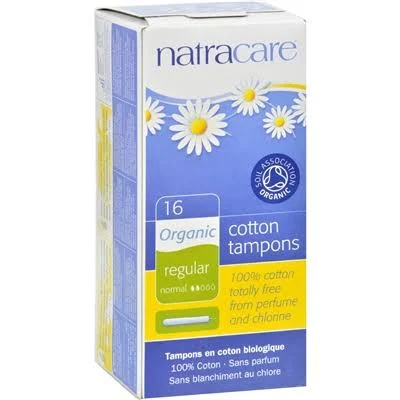
- 100% organic cotton
- A third party reports verifying it as PFAS-free
- Heavy metals
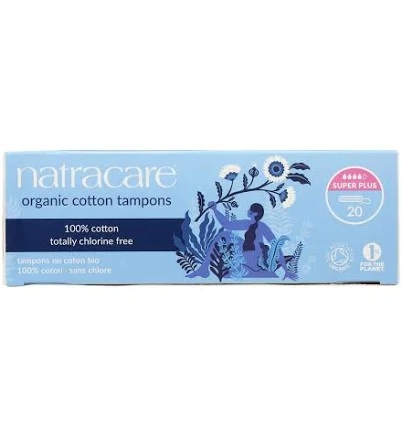
Natracare
Organic Super Plus Tampons, 3 x 20 ct
- organic cotton, cardboard applicator
- The brand calls it PFAS-free, which we have not verified
- Dioxins from bleaching
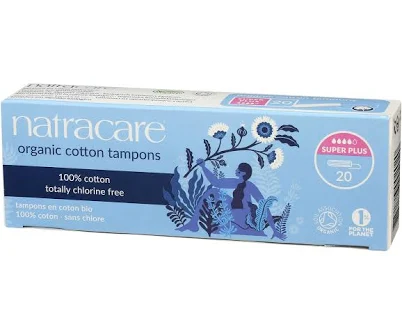
Natracare
Organic Cotton Super Plus Tampons
- organic cotton, no added fluorochemicals
- The brand calls it PFAS-free, which we have not verified
- Verified PFAS-free by a third party
More tampons grades
How we score, every product runs through the same public 0-100 rubric based on materials, coatings, brand disclosure, lab findings, and recalls. See the full methodology → Spotted a mistake? Report an error.