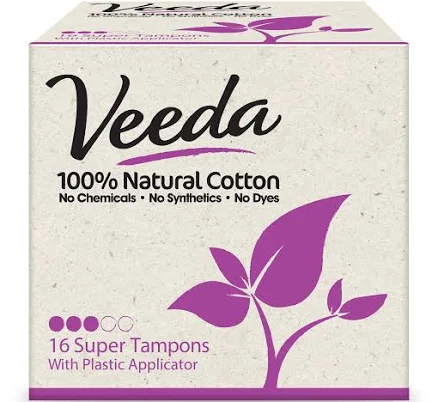
Veeda Natural Cotton Super Plus Tampons
Lower concern. Cotton-based with no known fluorinated treatments.
Veeda's tampons use organic cotton with no disclosed waterproofing or stain resistance treatments. No PFAS claims made, but material itself is inherently lower risk.
We flunk more products than we pass. This one earned its grade. How we grade
Material
organic cotton, no disclosed coating
Brand disclosure
Brand is silent on PFAS
Lab data
No public lab test
You may also be interested in
Top-graded picks in the categories readers replace first, every one scored on the same rubric.

- polypropylene filter housing, carbon/sediment cartridge
- We found no PFAS statement from the brand
- Bacterial growth in spent cartridges
3 hazards checked on this product, all on its full breakdown.

Aquasure
Premier Series 75 GPD Under Sink Reverse Osmosis Water Filtration System
- RO membrane, carbon filters, stainless steel housing
- We found no PFAS statement from the brand
- Bacterial and microbial growth in housing and filters
4 hazards checked on this product, all on its full breakdown.

Avocado
Vegan Mattress
- organic cotton, natural latex, coconut coir, recycled steel coils
- The brand calls it PFAS-free, which we have not verified
- Heavy metals
2 hazards checked on this product, all on its full breakdown.
What Veeda Natural Cotton Super Plus Tampons is made of, ingredients and materials
Veeda Super Plus tampons are constructed from organic cotton certified by third parties (typically GOTS or similar standards), meaning the fiber is grown without synthetic pesticides or fertilizers and processed without chlorine bleaching or harsh chemical treatments. The lack of disclosed synthetic coatings or rayon blends reduces exposure to processing residues and degradation byproducts that accumulate against sensitive mucous tissue. Organic cotton in period products is significant because conventional cotton cultivation uses roughly 16% of global insecticides; direct vaginal contact amplifies absorption risk compared to dermal exposure.
What’s concerning
Category baseline
The starting point for this type of product, before anything specific to this product is counted.
No PFAS disclosure
No public statement from the brand about PFAS in this product.
Pesticide residue
Organic certification reduces synthetic pesticide exposure versus conventional cotton, but third-party testing for residual pesticide metabolites in finished Veeda products is not publicly available. Absorption through vaginal mucosa is theoretically higher than dermal routes but remains unstudied for organic tampon use.
Source, EPA ↗Toxic shock syndrome (TSS) bacterial toxin risk
TSS risk is inherent to all tampons, not specific to Veeda, and depends on insertion duration and individual microbiome rather than material type. Organic cotton does not reduce or increase TSS risk compared to rayon or conventional cotton blends.
BPA & bisphenols
Veeda Super Plus uses a cardboard applicator, which avoids plastic-derived leachables. If this product line includes plastic-applicator variants, those would warrant scrutiny for BPA or phthalate presence, but the standard cardboard version carries minimal risk.
Source, FDA ↗What’s reassuring
Base material not linked to PFAS
The main material recorded for this product is not one associated with PFAS.
Chlorine bleach byproducts (dioxins, furans)
Veeda's organic and marketing materials suggest ECF (elemental chlorine-free) or TCF (totally chlorine-free) processing rather than conventional chlorine bleaching. No public testing confirms dioxin/furan presence or absence in the finished product.
Fragrance additives or perfumes
Veeda Super Plus product labeling does not list added fragrance or essential oils. If true, this eliminates a common allergen source in scented period products. Confirm on packaging that no botanical or synthetic fragrance is present.
How is this PFAS grade calculated?
The brand's record and disclosure
Veeda maintains GOTS organic certification and publishes material sourcing on its website, signaling transparency uncommon in the category. The brand does not explicitly claim PFAS-free status or publish third-party testing for per- and polyfluoroalkyl compounds, a known gap in period-care industry disclosure. No established product recalls or safety controversies tied to Veeda tampons appear in public health databases. The company's silence on PFAS is consistent with most period-care brands but does not indicate hidden contamination.
How it compares in its category
Organic cotton tampons (Veeda, Seventh Generation, Cora, Aunt Flow) occupy a premium tier focused on pesticide avoidance and material transparency. They typically cost 2-3x conventional brands (Tampax, Kotex) but avoid the chlorine-bleached rayon blend standard in mass-market products. Veeda's lack of explicit PFAS testing mirrors most competitors, so relative risk is comparable, though the organic base reduces pesticide residue contact versus conventional cotton alternatives.
If you buy it
Change tampons every 4-8 hours to reduce bacterial growth and toxic shock syndrome risk, regardless of absorbency rating. Store in a cool, dry location to prevent moisture-driven mold or degradation of the organic fibers. Discontinue use if you notice unusual odor, discoloration, or irritation, which may signal contamination or individual sensitivity. Do not assume organic status eliminates the need for standard menstrual hygiene practices such as adequate hydration and monitoring for TSS warning signs.
What is not known about PFAS in this product?
- Basis
- Model estimate, 78% confidence, not a lab result
- Lab test
- None on record for this exact product
- Brand statement
- Veeda has made none
Formulations change between production runs, so check the current label. How we grade.
What are the PFAS-free alternatives to Veeda Natural Cotton Super Plus Tampons?
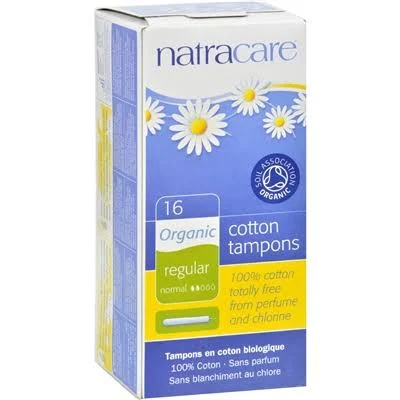
- 100% organic cotton
- A third party reports verifying it as PFAS-free
- Heavy metals
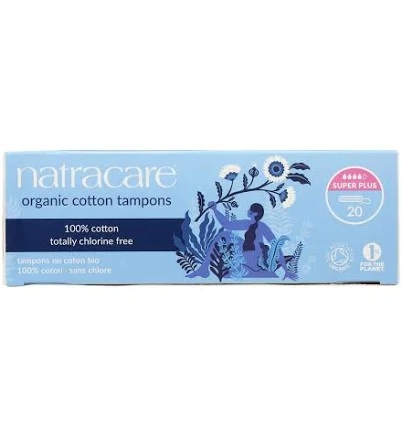
Natracare
Organic Super Plus Tampons, 3 x 20 ct
- organic cotton, cardboard applicator
- The brand calls it PFAS-free, which we have not verified
- Dioxins from bleaching
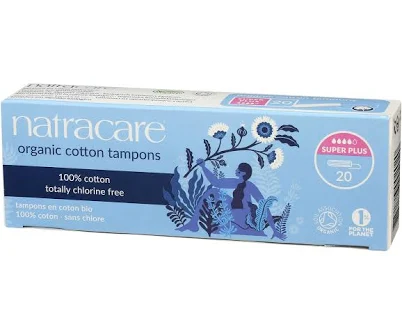
Natracare
Organic Cotton Super Plus Tampons
- organic cotton, no added fluorochemicals
- The brand calls it PFAS-free, which we have not verified
- Verified PFAS-free by a third party
More tampons grades
How we score, every product runs through the same public 0-100 rubric based on materials, coatings, brand disclosure, lab findings, and recalls. See the full methodology → Spotted a mistake? Report an error.