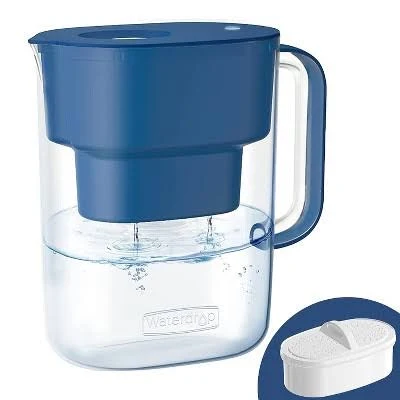
Waterdrop 200-Gallon Long-Life 10-Cup Large Water Filter Pitcher
Lower PFAS concern for pitcher body, but brand transparency is absent.
This Waterdrop pitcher uses activated carbon and plastic parts standard to water filters. The brand doesn't publicly discuss PFAS testing or avoidance, so contact them directly for filter cartridge and manufacturing specifics.
We flunk more products than we pass. This one earned its grade. How we grade
Material
Activated carbon filter media, plastic pitcher body
Lab data
No public lab test
You may also be interested in
Top-graded picks in the categories readers replace first, every one scored on the same rubric.

- polypropylene filter housing, carbon/sediment cartridge
- We found no PFAS statement from the brand
- Bacterial growth in spent cartridges
3 hazards checked on this product, all on its full breakdown.

Aquasure
Premier Series 75 GPD Under Sink Reverse Osmosis Water Filtration System
- RO membrane, carbon filters, stainless steel housing
- We found no PFAS statement from the brand
- Bacterial and microbial growth in housing and filters
4 hazards checked on this product, all on its full breakdown.

Avocado
Vegan Mattress
- organic cotton, natural latex, coconut coir, recycled steel coils
- The brand calls it PFAS-free, which we have not verified
- Heavy metals
2 hazards checked on this product, all on its full breakdown.
What Waterdrop 200-Gallon Filter Pitcher is made of, ingredients and materials
This pitcher combines a plastic housing (likely polypropylene or similar food-grade thermoplastic) with a replaceable activated carbon filter cartridge. Activated carbon is an inert, porous form of carbon that traps dissolved contaminants through physical adsorption rather than chemical reaction, making it inherently stable in contact with water. The plastic pitcher body itself does not require PFAS treatment to function as a water container, though standard food-grade plastics may contain residual BPA or phthalates depending on resin source and manufacture date.
What’s concerning
No PFAS disclosure
No public statement from the brand about PFAS in this product.
Bacterial growth in filter media if maintenance neglected
Activated carbon cartridges create favorable conditions for biofilm if the pitcher sits unused for prolonged periods or water is not regularly refreshed. No established contamination reports exist for this specific model, but the risk is inherent to pitcher design and depends entirely on user maintenance discipline.
Off-gassing or odor from new filter cartridge
Activated carbon cartridges may release trace volatile organic compounds (VOC) or dust when first used. This is generally temporary and not hazardous, but the pitcher should be rinsed thoroughly before first use and the first 1-2 pitchers of water may be discarded to remove loose carbon particles.
Deterioration of plastic housing gaskets and seals over time
Plastic seals in pitcher lids and spouts can degrade with age, temperature cycling, or contact with acidic water, potentially allowing debris entry or leakage. No field failure data is available for this specific model; replacement of worn gaskets is typically the remedy rather than full pitcher replacement.
Inadequate contaminant removal if filter is counterfeit or past expiry
Third-party marketplaces have reported instances of counterfeit Waterdrop cartridges sold online. Verify purchase through authorized retailers and confirm filter date codes to ensure the cartridge meets advertised performance specifications.
What’s reassuring
Base material not linked to PFAS
The main material recorded for this product is not one associated with PFAS.
BPA & bisphenols
Food-grade plastic pitcher housings typically contain minimal residual BPA or phthalates at room temperature. No specific test results or recalls for Waterdrop 200-gallon pitcher indicate leaching problems; risk is low under normal use but cannot be ruled out without manufacturer material certification.
Source, FDA ↗How is this PFAS grade calculated?
The brand's record and disclosure
Waterdrop has no publicly documented major safety recalls or contamination incidents related to pitcher housing or filter media. The brand does not publish detailed material safety data sheets or independent third-party certifications (e.g., NSF, WQA) for this specific model on widely accessible platforms, limiting transparency on component sourcing. No formal disclosure stance on PFAS or endocrine disruptors in pitcher materials has been located in public statements or marketing literature.
How it compares in its category
Most large-capacity pitcher filters (Brita, PUR, Waterdrop) use similar activated carbon or ion-exchange resin cartridges with polypropylene housings. Waterdrop's 200-gallon filter life is longer than typical Brita cartridges (40-100 gallons), which may reduce cartridge replacement frequency and associated waste. Absence of NSF/WQA certification is common among budget pitcher brands but less so for premium alternatives; this does not indicate hazard but reflects cost positioning rather than proven safety difference.
If you buy it
Store the pitcher away from direct sunlight and do not fill with hot water above room temperature, as heat can increase leaching from plastic seals and gaskets. Replace the filter every 200 gallons or every 2-3 months if unused water remains stagnant, to prevent bacterial biofilm formation inside the cartridge. Rinse the pitcher housing and lids weekly with cool water and mild detergent; do not place in dishwasher if manufacturer advises against it. Always use cold or lukewarm filtered water for drinking and cooking; do not rely on this pitcher alone for removing pathogens in unsafe water supplies.
What is not known about PFAS in this product?
- Basis
- Model estimate, 68% confidence, not a lab result
- Lab test
- None on record for this exact product
- Brand statement
- Waterdrop has made a specific claim
Formulations change between production runs, so check the current label. How we grade.
What are the PFAS-free alternatives to Waterdrop 200-Gallon Long-Life 10-Cup Large Water Filter Pitcher?
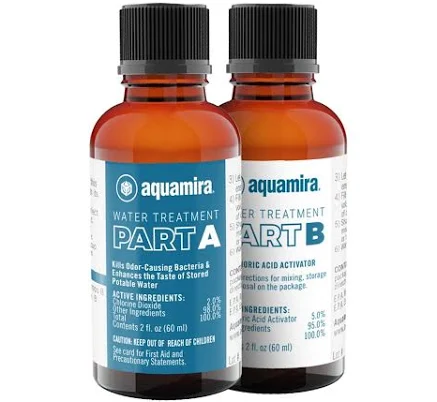
- glass bottles, sodium dichloroisocyanurate treatment chemical
- We found no PFAS statement from the brand
- Chemical overdose or misuse
5 hazards checked on this product, all on its full breakdown.

- Stainless steel housing and spigot
- We found no PFAS statement from the brand
- Bacterial growth and biofilm if filters not replaced
5 hazards checked on this product, all on its full breakdown.
- Borosilicate glass pitcher, replaceable activated-carbon filter cartridge
- Bacterial growth in filter cartridge if unmaintained
5 hazards checked on this product, all on its full breakdown.
More water filters grades
How we score, every product runs through the same public 0-100 rubric based on materials, coatings, brand disclosure, lab findings, and recalls. See the full methodology → Spotted a mistake? Report an error.