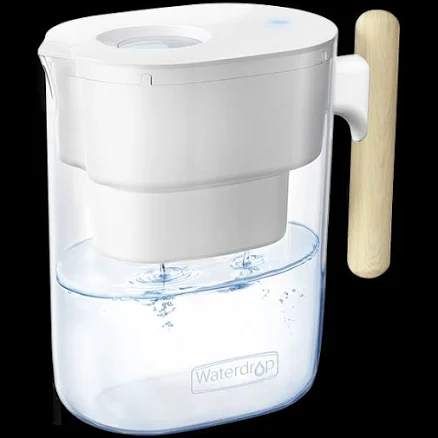
Waterdrop Chubby Pitcher Water Filter PT-04
Lower-concern water filter with no known PFAS red flags but brand is silent on PFAS.
This Waterdrop model features a BPA-free plastic pitcher with activated carbon and ion-exchange resin cartridges, materials not typically linked to intentional PFAS use. The brand makes no PFAS claims or provides public lab testing.
We flunk more products than we pass. This one earned its grade. How we grade
Material
BPA-free plastic pitcher, activated carbon + ion-exchange resin filter cartridges
Lab data
No public lab test
You may also be interested in
Top-graded picks in the categories readers replace first, every one scored on the same rubric.

- polypropylene filter housing, carbon/sediment cartridge
- We found no PFAS statement from the brand
- Bacterial growth in spent cartridges
3 hazards checked on this product, all on its full breakdown.

Aquasure
Premier Series 75 GPD Under Sink Reverse Osmosis Water Filtration System
- RO membrane, carbon filters, stainless steel housing
- We found no PFAS statement from the brand
- Bacterial and microbial growth in housing and filters
4 hazards checked on this product, all on its full breakdown.

Avocado
Vegan Mattress
- organic cotton, natural latex, coconut coir, recycled steel coils
- The brand calls it PFAS-free, which we have not verified
- Heavy metals
2 hazards checked on this product, all on its full breakdown.
What Waterdrop Chubby Pitcher Filter PT-04 is made of, ingredients and materials
The Waterdrop Chubby PT-04 uses a BPA-free plastic pitcher body paired with replaceable filter cartridges containing activated carbon and ion-exchange resin. BPA-free plastics in cold-water pitchers present minimal leaching risk under normal conditions, as the plastic does not contact heated water and sits in ambient temperatures. The filter media (activated carbon and resin) are industry-standard for residential pitchers and do not pose known off-gassing hazards when dry or used with cold water.
What’s concerning
No PFAS disclosure
No public statement from the brand about PFAS in this product.
Bacterial growth in filter cartridge
Activated carbon and resin beds, if not replaced regularly or if the pitcher sits unused for extended periods, can harbor bacteria biofilm growth. Waterdrop's documentation does not explicitly address maintenance intervals or storage best practices, increasing user error risk compared to brands with printed care guidance.
Filter cartridge housing material integrity
No data published by the brand on cartridge housing composition (plastic type, additives) or durability under repeated insertion/removal. Generic risk in this category is minimal, but lack of disclosure prevents full assessment of long-term degradation or microplastic generation from cartridge seals.
Contaminant removal efficacy undocumented
Waterdrop does not provide independent lab reports (NSF, WQA) demonstrating removal rates for common contaminants (lead, chlorine, pesticides). Activated carbon and resin are capable media, but without third-party validation, actual performance cannot be verified and may vary between batches.
Filter replacement cost burden and disposal
Waterdrop cartridges are proprietary and require repeat purchase every 2 months at moderate cost; cost-per-gallon over time is relevant to user compliance and water safety (users may delay replacement to save money, increasing contamination risk). No brand guidance on cartridge recycling increases landfill impact.
What’s reassuring
Base material not linked to PFAS
The main material recorded for this product is not one associated with PFAS.
Plastic leachables from pitcher housing
The pitcher is marketed as BPA-free; no recalls or reported leaching incidents for the PT-04 exist in public records. Cold-water storage in BPA-free plastic at ambient temperature presents minimal risk, as leaching accelerates under heat and does not occur significantly in static cold conditions.
How is this PFAS grade calculated?
The brand's record and disclosure
Waterdrop has not faced major consumer safety recalls specific to the PT-04 pitcher in public databases. The brand's transparency on material sourcing and manufacturing standards is limited; they do not publish detailed third-party testing results or certifications (such as NSF/ANSI) on their website or product documentation. The brand maintains a silent stance on PFAS, neither claiming PFAS-free status nor disclosing testing data, which is common among budget-tier filter manufacturers but represents a missed opportunity for consumer confidence.
How it compares in its category
The PT-04 sits in the mid-range pitcher segment, cheaper than NSF-certified alternatives (Aquagear, Berkey) but more accessible than budget brands with opaque sourcing. Most comparable pitchers (PUR, Brita) also use BPA-free plastics and activated carbon, making material safety roughly equivalent across the category. Waterdrop's lack of third-party certification is a notable gap versus market leaders, though it does not indicate hazard presence, only reduced verification.
If you buy it
Replace filter cartridges every 40 gallons or 2 months, whichever comes first, to prevent bacterial biofilm buildup in stagnant activated carbon and resin beds. Store the filled pitcher in a cool, dark place (not direct sunlight) to minimize any residual plastic off-gassing and maintain filter efficacy. Do not expose the pitcher body or cartridges to hot water or dishwashers; use hand washing with room-temperature water only. Monitor cartridge performance visually and by taste; if water tastes flat or develops odor, replace immediately even if the stated interval has not elapsed.
What is not known about PFAS in this product?
- Basis
- Model estimate, 72% confidence, not a lab result
- Lab test
- None on record for this exact product
- Brand statement
- Waterdrop has made a specific claim
Formulations change between production runs, so check the current label. How we grade.
What are the PFAS-free alternatives to Waterdrop Chubby Pitcher Water Filter PT-04?
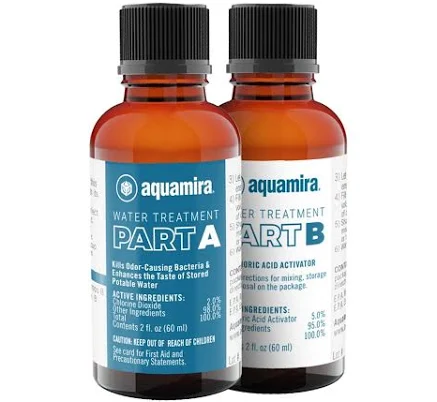
- glass bottles, sodium dichloroisocyanurate treatment chemical
- We found no PFAS statement from the brand
- Chemical overdose or misuse
5 hazards checked on this product, all on its full breakdown.

- Stainless steel housing and spigot
- We found no PFAS statement from the brand
- Bacterial growth and biofilm if filters not replaced
5 hazards checked on this product, all on its full breakdown.
- Borosilicate glass pitcher, replaceable activated-carbon filter cartridge
- Bacterial growth in filter cartridge if unmaintained
5 hazards checked on this product, all on its full breakdown.
More water filters grades
How we score, every product runs through the same public 0-100 rubric based on materials, coatings, brand disclosure, lab findings, and recalls. See the full methodology → Spotted a mistake? Report an error.