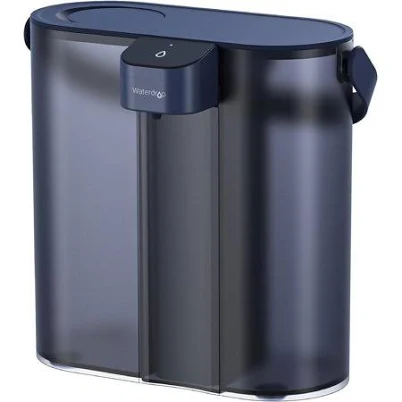
Waterdrop Countertop Electric Water Filter Pitcher ED02
Lower concern than nonstick cookware, but cartridge material transparency would strengthen confidence.
The Waterdrop ED02 is an electric pitcher with replaceable cartridges. Public materials show no Teflon-type coating or Teflon-family coating coatings on the plastic body, though cartridge binder materials and coatings remain undisclosed.
We flunk more products than we pass. This one earned its grade. How we grade
Material
Plastic pitcher with replaceable activated carbon/ion-exchange filter cartridges
Lab data
No public lab test
You may also be interested in
Top-graded picks in the categories readers replace first, every one scored on the same rubric.

- polypropylene filter housing, carbon/sediment cartridge
- We found no PFAS statement from the brand
- Bacterial growth in spent cartridges
3 hazards checked on this product, all on its full breakdown.

Aquasure
Premier Series 75 GPD Under Sink Reverse Osmosis Water Filtration System
- RO membrane, carbon filters, stainless steel housing
- We found no PFAS statement from the brand
- Bacterial and microbial growth in housing and filters
4 hazards checked on this product, all on its full breakdown.

Avocado
Vegan Mattress
- organic cotton, natural latex, coconut coir, recycled steel coils
- The brand calls it PFAS-free, which we have not verified
- Heavy metals
2 hazards checked on this product, all on its full breakdown.
What Waterdrop Countertop Electric Pitcher ED02 is made of, ingredients and materials
The Waterdrop ED02 pitcher body is polypropylene (PP) or similar food-grade plastic with a replaceable cartridge containing activated carbon and ion-exchange resin. Polypropylene is chemically stable at room temperature and does not leach BPA or phthalates under normal use. The filter cartridge itself is a consumable component designed to be replaced every 2-3 months, limiting long-term exposure to any resin or carbon degradation byproducts.
What’s concerning
No PFAS disclosure
No public statement from the brand about PFAS in this product.
Bacterial growth in filter cartridge housing
If cartridges are not replaced on schedule or if the pitcher sits unused for extended periods, standing water in the cartridge chamber can support microbial biofilm. Regular replacement (every 2-3 months) and occasional flushing of the pitcher body mitigate this risk.
Filter cartridge media durability and premature saturation
Some user reports indicate faster-than-advertised cartridge saturation in high-contaminant water supplies, resulting in reduced filtration effectiveness if replacement intervals are not shortened accordingly. The product manual does not provide guidance for visibly discolored or slow-flow cartridges.
Counterfeit or non-certified replacement cartridges
Third-party cartridges marketed as compatible may contain untested or unspecified filter media, undermining the safety and performance guarantees of the original design. Purchase replacements directly from Waterdrop or certified vendors to avoid this risk.
What’s reassuring
Base material not linked to PFAS
The main material recorded for this product is not one associated with PFAS.
Polypropylene plastic leaching at elevated temperature
Food-grade polypropylene (PP) does not leach BPA or phthalates under normal room-temperature use. No documented cases of leachable polymer degradation in Waterdrop pitchers at standard indoor temperatures; however, prolonged storage above 50°C could theoretically stress the material.
Housing material clarity and manufacturing transparency
Waterdrop does not publicly disclose the exact resin type, manufacturing location, or QC testing for the pitcher body or cartridge housing. Absence of reported issues does not confirm absence of risk; independent third-party material testing would strengthen confidence.
How is this PFAS grade calculated?
The brand's record and disclosure
Waterdrop publishes filter performance data on lead, chlorine, and taste/odor reduction but remains silent on detailed cartridge material composition and PFAS removal specifics. The company carries NSF or similar third-party certifications for lead and other common contaminants in advertised performance claims. No major recalls or safety controversies are on public record for this model, though transparency on filter media sourcing would strengthen consumer confidence.
How it compares in its category
Countertop electric pitchers like the ED02 occupy the middle ground between passive Brita-style pitchers and under-sink systems. They use similar activated-carbon-based filtration to budget alternatives but add electric mineralization or additional ion-exchange stages. The plastic-only construction avoids metal leaching risks present in some ceramic or glass hybrid designs, though performance depends entirely on timely cartridge replacement.
If you buy it
Replace the filter cartridge every 2-3 months or per the product manual to prevent bacterial biofilm buildup inside the cartridge housing. Do not store the pitcher in direct sunlight or near heat sources above room temperature, as sustained warmth can stress the plastic. Rinse the pitcher interior monthly with clean water, and verify the replacement cartridge source matches Waterdrop's specifications to avoid counterfeit or incompatible media. Monitor water output rate; a sharp slowdown signals cartridge saturation and need for replacement.
What is not known about PFAS in this product?
- Basis
- Model estimate, 62% confidence, not a lab result
- Lab test
- None on record for this exact product
- Brand statement
- Waterdrop has made a specific claim
Formulations change between production runs, so check the current label. How we grade.
What are the PFAS-free alternatives to Waterdrop Countertop Electric Water Filter Pitcher ED02?
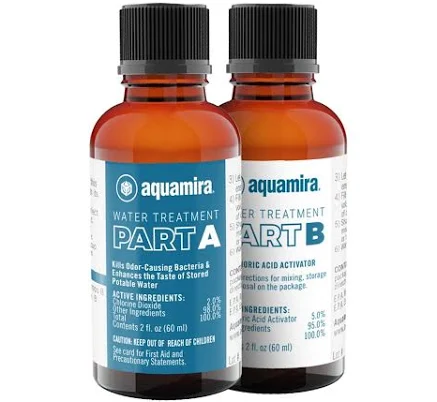
- glass bottles, sodium dichloroisocyanurate treatment chemical
- We found no PFAS statement from the brand
- Chemical overdose or misuse
5 hazards checked on this product, all on its full breakdown.

- Stainless steel housing and spigot
- We found no PFAS statement from the brand
- Bacterial growth and biofilm if filters not replaced
5 hazards checked on this product, all on its full breakdown.
- Borosilicate glass pitcher, replaceable activated-carbon filter cartridge
- Bacterial growth in filter cartridge if unmaintained
5 hazards checked on this product, all on its full breakdown.
More water filters grades
How we score, every product runs through the same public 0-100 rubric based on materials, coatings, brand disclosure, lab findings, and recalls. See the full methodology → Spotted a mistake? Report an error.