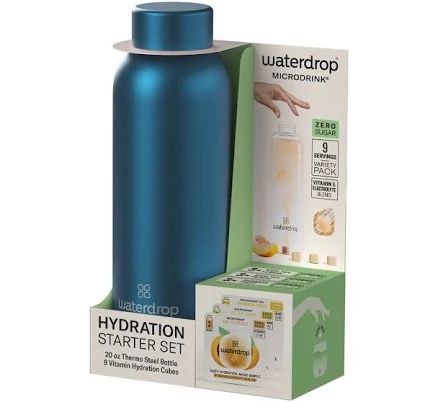
Waterdrop Hydration Starter Kit
Water filter pitcher with lower concern based on recorded materials.
The plastic pitcher and replaceable carbon and ion-exchange filters are not materials linked to PFAS. The brand has no PFAS statement on record.
We flunk more products than we pass. This one earned its grade. How we grade
Material
Plastic pitcher, replaceable carbon/ion-exchange filters
Lab data
No public lab test
You may also be interested in
Top-graded picks in the categories readers replace first, every one scored on the same rubric.

- polypropylene filter housing, carbon/sediment cartridge
- We found no PFAS statement from the brand
- Bacterial growth in spent cartridges
3 hazards checked on this product, all on its full breakdown.

Aquasure
Premier Series 75 GPD Under Sink Reverse Osmosis Water Filtration System
- RO membrane, carbon filters, stainless steel housing
- We found no PFAS statement from the brand
- Bacterial and microbial growth in housing and filters
4 hazards checked on this product, all on its full breakdown.

Avocado
Vegan Mattress
- organic cotton, natural latex, coconut coir, recycled steel coils
- The brand calls it PFAS-free, which we have not verified
- Heavy metals
2 hazards checked on this product, all on its full breakdown.
What Waterdrop Hydration Starter Kit is made of, ingredients and materials
The Waterdrop Hydration Starter Kit consists of a plastic pitcher (likely polypropylene or similar food-grade resin) with replaceable cartridges containing activated carbon and ion-exchange resin. The pitcher itself contacts only filtered water after initial fill, reducing leaching risk compared to direct-contact cookware. The filter media are sealed inside cartridges that do not leach into water under normal use, though housing integrity matters if the pitcher is cracked or mishandled.
What’s concerning
No PFAS disclosure
No public statement from the brand about PFAS in this product.
Plastic housing leachables (polypropylene/plastic resin)
Food-grade plastic pitchers may leach trace amounts of styrene or other monomers if cracked, exposed to heat, or stored improperly. Risk is low under normal cold-water use but increases with pitcher age or physical damage.
Bacterial growth in pitcher reservoir
Any water pitcher, including Waterdrop, can develop bacterial biofilm if not cleaned weekly and dried thoroughly. The internal surfaces and filter cartridge housings are common growth sites if moisture is retained between uses.
Filter cartridge housing integrity and seal failure
Cartridge seals can crack or degrade over time, potentially allowing unfiltered bypass of water or release of carbon particles into the filtered output. No public test data on Waterdrop cartridge durability is available; quality control varies across batches in this price tier.
Incomplete contaminant removal claims
The Waterdrop kit does not carry NSF certification and does not claim to remove lead, fluoride, or other heavy metals. Consumers expecting comprehensive protection may be misled by marketing language emphasizing 'filtration' without specifying what is actually removed.
Replacement filter availability and counterfeits
Third-party and counterfeit replacement cartridges sold online may not meet the same standards as genuine Waterdrop filters, introducing contamination or ineffective filtration. Purchase replacement filters directly from Waterdrop or verified retailers only.
What’s reassuring
Base material not linked to PFAS
The main material recorded for this product is not one associated with PFAS.
How is this PFAS grade calculated?
The brand's record and disclosure
Waterdrop does not publicly disclose third-party testing results, NSF certification, or material safety data sheets for this product line on record. The brand markets the pitcher as a budget alternative to name-brand filters but has not issued recalls or faced established contamination incidents in major consumer databases. No formal statement on PFAS testing or removal claims is available; marketing implies general filtration benefit without specific heavy-metal or PFAS removal guarantees.
How it compares in its category
Waterdrop pitchers occupy the low-cost segment alongside Brita and PUR but without the NSF/ANSI certification that major competitors advertise. Unlike higher-end systems (Berkley, AquaBliss), this kit does not claim lead or PFAS removal; it targets basic taste and odor improvement. The replaceable-cartridge model is standard for the category and reduces long-term plastic waste compared to single-use bottles, though filter replacement frequency and cost matter.
If you buy it
Replace filters every 2-3 months or after 40 gallons (follow package instructions closely). Do not use hot water in the pitcher or store it in direct sunlight, as heat can degrade plastic housing. Clean the pitcher weekly with mild soap and dry thoroughly to prevent bacterial biofilm inside the reservoir. If the pitcher cracks, discolors, or develops odor, discontinue use; do not assume the filter alone corrects pre-existing pitcher contamination.
What is not known about PFAS in this product?
- Basis
- Model estimate, 72% confidence, not a lab result
- Lab test
- None on record for this exact product
- Brand statement
- Waterdrop has made a specific claim
Formulations change between production runs, so check the current label. How we grade.
What are the PFAS-free alternatives to Waterdrop Hydration Starter Kit?
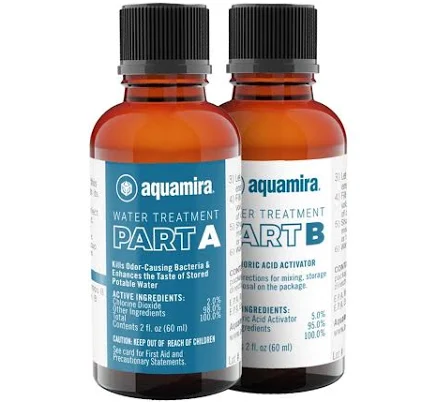
- glass bottles, sodium dichloroisocyanurate treatment chemical
- We found no PFAS statement from the brand
- Chemical overdose or misuse
5 hazards checked on this product, all on its full breakdown.
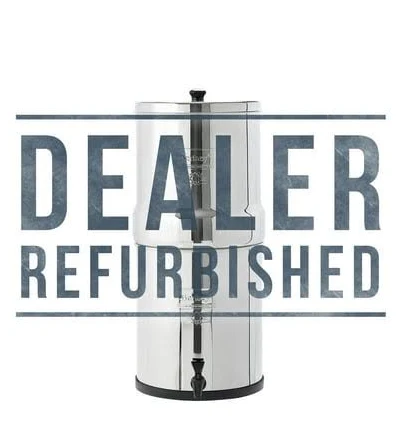
- Stainless steel housing and spigot
- We found no PFAS statement from the brand
- Bacterial growth and biofilm if filters not replaced
5 hazards checked on this product, all on its full breakdown.
- Borosilicate glass pitcher, replaceable activated-carbon filter cartridge
- Bacterial growth in filter cartridge if unmaintained
5 hazards checked on this product, all on its full breakdown.
More water filters grades
How we score, every product runs through the same public 0-100 rubric based on materials, coatings, brand disclosure, lab findings, and recalls. See the full methodology → Spotted a mistake? Report an error.