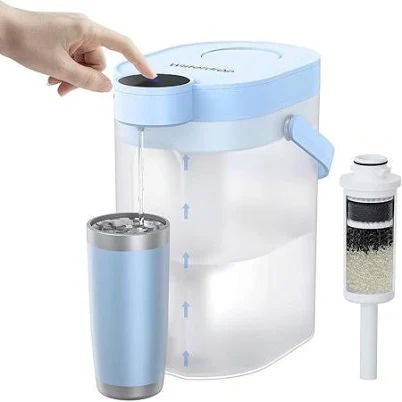
Waterdrop Water Filter Pitcher
Lower-concern product, but brand silence on filter media is a gap.
Waterdrop's pitcher is plastic housing with replaceable carbon cartridges, materials not inherently tied to PFAS. The brand says nothing about PFAS in filter media, and no third-party testing is available.
We flunk more products than we pass. This one earned its grade. How we grade
Material
Plastic pitcher body, activated carbon filter cartridge
Lab data
No public lab test
You may also be interested in
Top-graded picks in the categories readers replace first, every one scored on the same rubric.

- polypropylene filter housing, carbon/sediment cartridge
- We found no PFAS statement from the brand
- Bacterial growth in spent cartridges
3 hazards checked on this product, all on its full breakdown.

Aquasure
Premier Series 75 GPD Under Sink Reverse Osmosis Water Filtration System
- RO membrane, carbon filters, stainless steel housing
- We found no PFAS statement from the brand
- Bacterial and microbial growth in housing and filters
4 hazards checked on this product, all on its full breakdown.

Avocado
Vegan Mattress
- organic cotton, natural latex, coconut coir, recycled steel coils
- The brand calls it PFAS-free, which we have not verified
- Heavy metals
2 hazards checked on this product, all on its full breakdown.
What Waterdrop Water Filter Pitcher is made of, ingredients and materials
The Waterdrop pitcher body is injection-molded plastic, typically polypropylene or BPA-free copolyester; the replaceable filter cartridge contains activated carbon (coconut or coal-based), ion-exchange resin, and sometimes sediment layers. Activated carbon is inert and widely used in drinking-water treatment; the plastic housing poses minimal leaching risk at room temperature because it does not contact hot water. Pitcher design keeps filter media separate from stored water, reducing direct exposure to cartridge materials.
What’s concerning
No PFAS disclosure
No public statement from the brand about PFAS in this product.
Bacterial growth in filter cartridge if unmaintained
Activated-carbon filters create a moist, nutrient-poor environment that resists bacterial colonization, but prolonged use beyond recommended replacement schedules or storage in warm, stagnant conditions can allow biofilm formation. Regular cartridge replacement (every 2 months) mitigates this risk.
Loose activated-carbon particles or dust migration into water
New cartridges may shed fine carbon particles during initial use. Rinsing the cartridge before installation and discarding the first pitcher of water minimizes this; it is a nuisance rather than a health hazard, but some consumers report gritty taste or sediment in early pours.
Incomplete contaminant removal (false sense of security)
Pitcher filters are not designed to remove all dissolved minerals, pathogens, or certain synthetic chemicals (e.g., some PFAS compounds, nitrates, fluoride unless cartridge is specifically labeled for these). Users in areas with poor tap-water quality may gain false confidence and skip boiling or other safeguards.
VOC or off-gassing from new plastic pitcher (odor/taste)
New polypropylene or copolyester pitchers may have a faint plastic smell or taste for the first few uses due to residual manufacturing volatiles. Rinsing thoroughly with tap water and running water through the filter 2-3 times before use eliminates this in most cases within 24-48 hours.
What’s reassuring
Base material not linked to PFAS
The main material recorded for this product is not one associated with PFAS.
Plastic housing leachables at elevated temperature
No documented recalls or test data showing BPA or other leachates from Waterdrop pitcher plastic at room temperature. Risk remains theoretical if pitcher is left in direct sunlight or near heat sources; polypropylene and copolyester are stable at typical indoor temperatures.
How is this PFAS grade calculated?
The brand's record and disclosure
Waterdrop markets itself as a budget-conscious filter brand and advertises NSF/WQA certification for select models; however, the brand has not published transparent testing data or statements addressing PFAS removal capacity or filter media composition in detail. Public safety records show no major recalls tied to this pitcher model. The silence on filter material sourcing and PFAS testing represents a moderate disclosure gap compared to premium competitors like Brita or pur, which often publish third-party test reports.
How it compares in its category
Waterdrop pitchers sit in the mass-market affordability tier alongside Brita and PUR but typically offer similar activated-carbon performance at lower cost. Independent testing (e.g., NSF certification where claimed) shows removal of chlorine, lead, and some volatile organic compounds, placing it on par with competitors for basic contaminants. The main trade-off is less transparency on advanced claims (PFAS removal, microplastic capture); pitchers in general do not remove all dissolved solids or pathogens, so boiling or other methods remain necessary in high-risk water scenarios.
If you buy it
Replace cartridges every 40-60 gallons or 2 months, whichever comes first, to prevent bacterial biofilm growth in exhausted media and maintain flow rate. Do not expose the pitcher to direct heat, sunlight, or freezing; store at room temperature to avoid plastic degradation and leaching. Rinse the pitcher body before first use and after each cartridge swap. Let tap water sit 2-3 minutes in the pitcher before first pour, as initial flow may contain loose activated-carbon particles.
What is not known about PFAS in this product?
- Basis
- Model estimate, 62% confidence, not a lab result
- Lab test
- None on record for this exact product
- Brand statement
- Waterdrop has made a specific claim
Formulations change between production runs, so check the current label. How we grade.
What are the PFAS-free alternatives to Waterdrop Water Filter Pitcher?
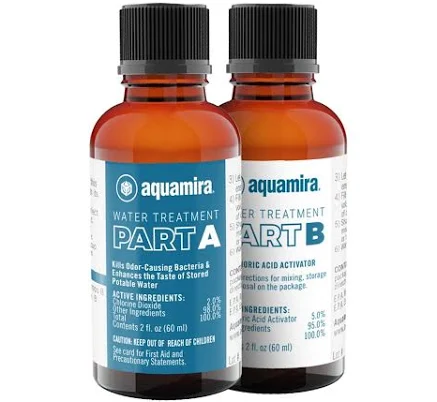
- glass bottles, sodium dichloroisocyanurate treatment chemical
- We found no PFAS statement from the brand
- Chemical overdose or misuse
5 hazards checked on this product, all on its full breakdown.

- Stainless steel housing and spigot
- We found no PFAS statement from the brand
- Bacterial growth and biofilm if filters not replaced
5 hazards checked on this product, all on its full breakdown.
- Borosilicate glass pitcher, replaceable activated-carbon filter cartridge
- Bacterial growth in filter cartridge if unmaintained
5 hazards checked on this product, all on its full breakdown.
More water filters grades
How we score, every product runs through the same public 0-100 rubric based on materials, coatings, brand disclosure, lab findings, and recalls. See the full methodology → Spotted a mistake? Report an error.