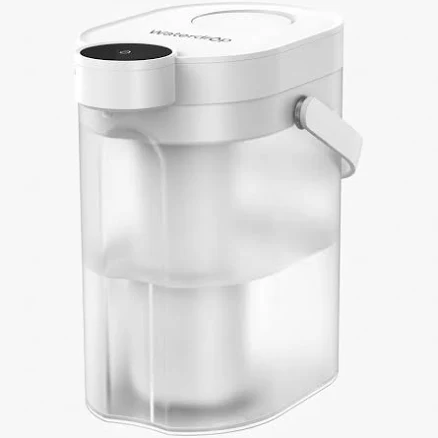
Waterdrop WD-ED11W Water Pitcher Filter
Lower-concern for typical use, but filter composition is not transparent.
The Waterdrop WD-ED11W uses plastic pitcher with activated carbon and ion-exchange media, neither typically PFAS-prone. No documented PFAS concerns appear in public sources, though Waterdrop provides no explicit PFAS disclosure or testing.
We flunk more products than we pass. This one earned its grade. How we grade
Material
Plastic pitcher with activated carbon/ion-exchange filter cartridge
Lab data
No public lab test
You may also be interested in
Top-graded picks in the categories readers replace first, every one scored on the same rubric.

- polypropylene filter housing, carbon/sediment cartridge
- We found no PFAS statement from the brand
- Bacterial growth in spent cartridges
3 hazards checked on this product, all on its full breakdown.

Aquasure
Premier Series 75 GPD Under Sink Reverse Osmosis Water Filtration System
- RO membrane, carbon filters, stainless steel housing
- We found no PFAS statement from the brand
- Bacterial and microbial growth in housing and filters
4 hazards checked on this product, all on its full breakdown.

Avocado
Vegan Mattress
- organic cotton, natural latex, coconut coir, recycled steel coils
- The brand calls it PFAS-free, which we have not verified
- Heavy metals
2 hazards checked on this product, all on its full breakdown.
What Waterdrop WD-ED11W Water Pitcher Filter is made of, ingredients and materials
The WD-ED11W consists of a polypropylene (PP) pitcher body with a replaceable cartridge containing activated carbon and ion-exchange resin beads. Polypropylene is a food-contact approved plastic with a high melting point (160°C) and minimal leaching risk under normal cold-water conditions. The activated carbon media is inert; ion-exchange resins are designed specifically for water treatment and have established food-safety use history. No heating or boiling occurs during filtration, so thermal degradation is not a concern.
What’s concerning
No PFAS disclosure
No public statement from the brand about PFAS in this product.
Bacterial growth in filter cartridge
All pitcher filters carry this risk if cartridges are not replaced regularly or if water sits stagnant. Activated carbon is a porous medium that can harbor microbes if moisture persists beyond recommended use intervals. Waterdrop does not emphasize antimicrobial treatment of cartridges in public materials.
Cartridge counterfeit or substandard replacement parts
Waterdrop cartridges are sold on multiple online platforms with variable quality control oversight. Counterfeit or off-spec replacements sold under the Waterdrop brand on third-party marketplaces carry unknown composition risk. Purchase directly from Waterdrop or authorized retailers to mitigate.
What’s reassuring
Base material not linked to PFAS
The main material recorded for this product is not one associated with PFAS.
Polypropylene (PP) housing leachates under stress
Polypropylene is approved for food contact under standard cold-water use. No recalls or reports of leaching from Waterdrop WD-ED11W pitcher bodies have been identified. Risk is negligible if pitcher is not exposed to heat, UV, or mechanical damage.
Ion-exchange resin integrity and shedding
Ion-exchange resins are approved for potable water and do not release hazardous compounds during normal filtration. Micro-resin particles are not reported in this product line, and material specifications do not flag degradation concerns.
Heavy metals
Waterdrop does not publish lead, cadmium, or arsenic test results for the pitcher or cartridge. Activated carbon and ion-exchange resin are not typical sources of heavy metals, but third-party confirmation is absent from available documentation.
Source, FDA ↗How is this PFAS grade calculated?
The brand's record and disclosure
Waterdrop is a newer entrant in the pitcher-filter market with limited public transparency on manufacturing audits or third-party certifications. The brand does not prominently disclose filter composition details, material sourcing, or heavy-metal testing results on their consumer-facing documentation. No established safety recalls or complaints have been recorded for this specific model. The silent PFAS stance means they have not publicly committed to removing PFAS from supply chains, though the current filter design shows no hazard of this kind on record.
How it compares in its category
Pitcher filters (Brita, PUR, Waterdrop) all use similar activated carbon and ion-exchange chemistries, so material profiles are broadly comparable. Waterdrop's cartridges are typically priced competitively and claim equivalent contaminant reduction (chlorine, taste, odor). Unlike some premium brands, Waterdrop offers less detailed third-party certification (NSF, WQA) on published specs, making independent verification harder. Functionally equivalent to mid-market alternatives but with less transparent quality documentation.
If you buy it
Replace cartridges every 2-3 months or per manufacturer guidance to prevent bacterial biofilm growth in the filter media, which is the primary safety risk in unmaintained pitchers. Do not boil or heat the pitcher itself; use only cold or room-temperature water. Store in a cool, dry place away from direct sunlight to avoid plastic degradation. Clean the pitcher body with mild soap and water weekly; do not use abrasive scrubbers that can compromise the polypropylene seal.
What is not known about PFAS in this product?
- Basis
- Model estimate, 72% confidence, not a lab result
- Lab test
- None on record for this exact product
- Brand statement
- Waterdrop has made a specific claim
Formulations change between production runs, so check the current label. How we grade.
What are the PFAS-free alternatives to Waterdrop WD-ED11W Water Pitcher Filter?
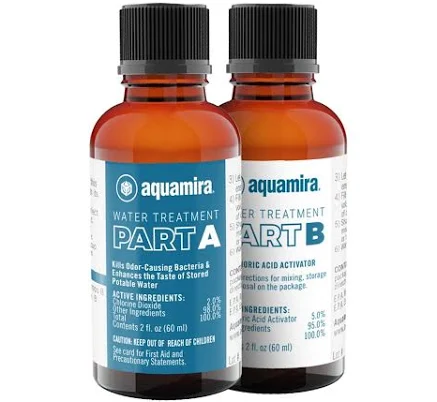
- glass bottles, sodium dichloroisocyanurate treatment chemical
- We found no PFAS statement from the brand
- Chemical overdose or misuse
5 hazards checked on this product, all on its full breakdown.

- Stainless steel housing and spigot
- We found no PFAS statement from the brand
- Bacterial growth and biofilm if filters not replaced
5 hazards checked on this product, all on its full breakdown.
- Borosilicate glass pitcher, replaceable activated-carbon filter cartridge
- Bacterial growth in filter cartridge if unmaintained
5 hazards checked on this product, all on its full breakdown.
More water filters grades
How we score, every product runs through the same public 0-100 rubric based on materials, coatings, brand disclosure, lab findings, and recalls. See the full methodology → Spotted a mistake? Report an error.