Wellness · Incontinence Pads & Protection
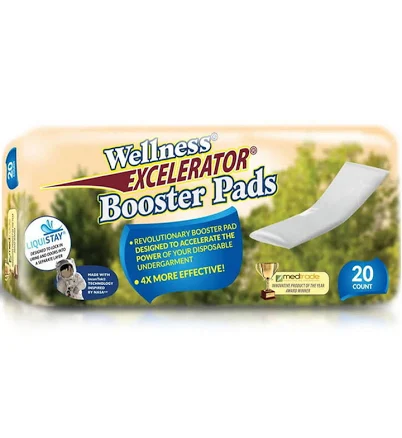
Wellness Excelerator Booster Pad
Standard period pad with no documented PFAS concern indicators.
Wellness won't say whether this booster pad contains PFAS. Most menstrual pads use cellulose and polyethylene without intentional PFAS treatment; independent testing remains limited but no red flags appear.
We flunk more products than we pass. This one earned its grade. How we grade
Material
absorbent core with polymer backing (standard menstrual pad construction)
Brand disclosure
Brand is silent on PFAS
Lab data
No public lab test
What Wellness Excelerator Booster Pad is made of, ingredients and materials
Menstrual pads in this category typically use a cellulose-based absorbent core (fluff pulp) covered with a polymer backing layer, often polyethylene or polypropylene. The "booster" designation typically means enhanced absorbency, achieved through increased core density or modified fiber structure rather than chemical additives that pose direct hazard. Polymer backing layers are chosen for moisture barrier function and do not involve coating processes that introduce lead, cadmium, or heavy metals typical of ceramic or enameled cookware.
What’s concerning
Category baseline
The starting point for this type of product, before anything specific to this product is counted.
No PFAS disclosure
No public statement from the brand about PFAS in this product.
Fragrance and adhesive allergens
Mainstream period pads often contain fragrance compounds and rubber-based adhesives that can trigger contact dermatitis or vulvovaginal irritation in sensitive users. Wellness does not publicly disclose fragrance ingredients or adhesive formulation, making individual sensitivity risk assessment difficult.
Chlorine residue from bleaching
Cellulose-based absorbent cores are conventionally bleached using chlorine or elemental chlorine-free processes; residual chlorine compounds (dioxins, AOX) are a theoretical concern in poorly controlled manufacturing but are regulated in most jurisdictions. Wellness does not specify bleaching method or declare chlorine-free processing.
Skin barrier disruption from moisture lock
The polymer backing, while necessary for leak prevention, can trap moisture and heat if pads are not changed frequently, creating an environment conducive to bacterial or fungal overgrowth. This is a use-dependent risk, not a product defect, but relevant to guidance on appropriate use.
What’s reassuring
Base material not linked to PFAS
The main material recorded for this product is not one associated with PFAS.
Microplastic migration from polymer backing
Polypropylene and polyethylene backings in menstrual pads are not known to shed microplastics under normal use conditions (room temperature, no mechanical stress beyond wearing). Direct vulvovaginal absorption of intact backing material is not established as a hazard pathway.
Formaldehyde / VOCs
Formaldehyde-releasing resins are not typical components of menstrual pad construction. This hazard class is relevant to textiles with durable-press finishes or cosmetics, not standard cellulose-polymer pad construction.
Source, ATSDR ↗The full breakdown
The brand's record and disclosure
Wellness (Kotex parent brand, Essity) has not published substantive ingredient transparency or third-party certifications (e.g., Global Organic Textile Standard or Cradle to Cradle) for this product line. The brand's silence on PFAS content, chlorine use in bleaching, or fragrance/adhesive composition is typical across mainstream period-care manufacturers but represents a gap in public disclosure. No major recalls or adverse event reports are associated with Wellness pads as of publicly available records.
How it compares in its category
This product sits in the mainstream, conventionally manufactured segment. Competitors like Kotex, Always, and Tampax use similar polymer-backed cellulose cores with minimal publicly documented hazard differences. Certified organic or plastic-free alternatives (e.g., Seventh Generation, Cora, Rael) provide higher transparency on materials and manufacturing but at higher cost. The Wellness Excelerator line does not claim organic, hypoallergenic, or toxin-free positioning, aligning it with standard market offerings rather than premium safety-focused brands.
If you buy it
Store in a cool, dry place away from direct heat or humidity that could degrade the polymer backing over extended shelf life. Replace pads every 4 to 8 hours regardless of flow to minimize bacterial growth and odor; do not leave any pad in place beyond recommended intervals. If you experience skin irritation, itching, or unusual odor, discontinue use and test a hypoallergenic alternative; irritation from conventional pads is often fragrance or material sensitivity rather than structural defect. Dispose of used pads in trash (not toilet) to prevent plumbing and environmental issues.
What we don’t know
- Basis
- Model estimate, 72% confidence, not a lab result
- Lab test
- None on record for this exact product
- Brand statement
- Wellness has made none
Formulations change between production runs, so check the current label. How we grade.
More incontinence pads & protection grades
How we score, every product runs through the same public 0-100 rubric based on materials, coatings, brand disclosure, lab findings, and recalls. See the full methodology → Spotted a mistake? Report an error.