· Parchment Paper & Baking Liners
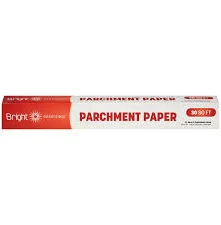
Bright Essentials Parchment Paper
Parchment typically carries lower PFAS risk, but coating source remains unknown.
Parchment paper is often coated with silicone rather than Teflon-family coating, suggesting lower PFAS concern. Whole Foods makes no PFAS disclosure, so check the specific product label for coating details.
The better-graded swap
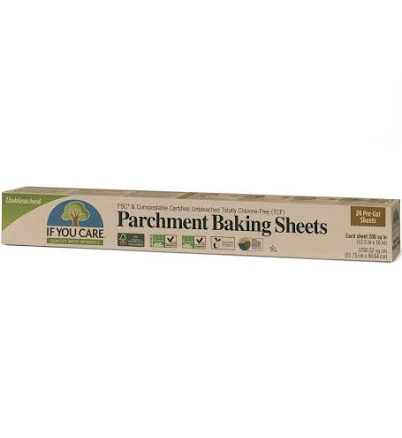
If You Care
If You Care Parchment Baking Sheets
90/100 safety
Same rubric that flunked this product. The swap earned Excellent.
Still want this one anyway? Check the price on Amazon. We’d swap it.
Material
Cellulose paper with silicone coating
Brand disclosure
Brand is silent on PFAS
Lab data
No public lab test
You may also be interested in
Top-graded picks in the categories readers replace first, every one scored on the same rubric.

- polypropylene filter housing, carbon/sediment cartridge
- We found no PFAS statement from the brand
- Bacterial growth in spent cartridges
3 hazards checked on this product, all on its full breakdown.

Aquasure
Premier Series 75 GPD Under Sink Reverse Osmosis Water Filtration System
- RO membrane, carbon filters, stainless steel housing
- We found no PFAS statement from the brand
- Bacterial and microbial growth in housing and filters
4 hazards checked on this product, all on its full breakdown.

Avocado
Vegan Mattress
- organic cotton, natural latex, coconut coir, recycled steel coils
- The brand calls it PFAS-free, which we have not verified
- Heavy metals
2 hazards checked on this product, all on its full breakdown.
What Bright Essentials Parchment Paper is made of, ingredients and materials
Bright Essentials parchment is cellulose paper with a silicone coating applied to create its non-stick surface. Cellulose itself is food-safe and compostable, but the silicone's chemical composition and any additives in the coating determine actual safety. The coating prevents paper from sticking to food and pans during baking, but its stability at high heat depends on the silicone formulation used, which Whole Foods does not publicly disclose.
What’s concerning
Category baseline
The starting point for this type of product, before anything specific to this product is counted.
No PFAS disclosure
No public statement from the brand about PFAS in this product.
Waterproof / stain-resistant treatment
Water-repellent coating treatments have historically used PFAS.
Silicone coating thermal stability
Silicone coatings can degrade above 420-450 degrees Fahrenheit, potentially releasing volatile organic compounds. Whole Foods does not specify the heat tolerance of this particular coating, so risk depends on actual silicone formulation.
Coating transfer at high temperature
If silicone coating degrades or separates under sustained high heat, microscopic coating fragments could theoretically transfer to food. Risk is minimized if paper is not overheated and is inspected for signs of degradation before each use.
Unknown additives in silicone formulation
Some silicone coatings contain antimicrobial or cross-linking additives not disclosed on consumer packaging. Whole Foods provides no ingredient transparency for the silicone layer itself, making full hazard assessment impossible.
What’s reassuring
Bleaching residues in cellulose base
Modern parchment is typically chlorine-free bleached or oxygen-bleached. No public record of bleaching residue concerns for Bright Essentials specifically, and this product shows no indication of using older chlorine-bleach methods.
Microplastic potential from paper fiber shedding
Well-maintained parchment does not shed fibers into food under normal baking conditions. Risk exists only if paper is torn, excessively crumpled, or used beyond its functional lifespan; inspection before use mitigates this.
How is this PFAS grade calculated?
The brand's record and disclosure
Brand does not publish detailed material sourcing or coating specifications for this product. The company has no known public commitment to PFAS-free certifications for parchment products, and maintains silence on whether the silicone coating contains fluorinated compounds. This lack of transparency is typical in the parchment category but limits independent verification of safety claims.
How it compares in its category
Most mass-market parchment papers (bleached cellulose with silicone) carry similar disclosure gaps. Brands like If You Care and Unbleached alternatives are more transparent about PFAS avoidance but cost more. Silicone-coated papers generally pose lower chemical risk than older chlorine-bleached products, but comparison requires knowing the silicone source, which competitors also rarely disclose.
If you buy it
Keep use below 420 degrees Fahrenheit to avoid silicone coating degradation; parchment begins to darken and may release volatile compounds above this range. Replace rolls if paper yellows, becomes brittle, or develops odor during storage. Store in a cool, dry place away from strong odors, as silicone-coated surfaces can absorb aromas. Do not reuse pieces that have been exposed to high heat or oils for multiple batches.
What is not known about PFAS in this product?
- Basis
- Model estimate, 62% confidence, not a lab result
- Lab test
- None on record for this exact product
- Brand statement
- has made none
Formulations change between production runs, so check the current label. How we grade.
What are the PFAS-free alternatives to Bright Essentials Parchment Paper?
- silicone-coated parchment paper
- The brand calls it PFAS-free, which we have not verified
- Paper degradation and particulate shedding
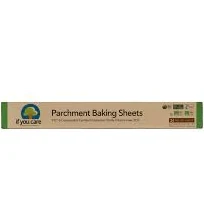
- unbleached paper with silicone coating
- The brand calls it PFAS-free, which we have not verified
- Silicone coating degradation at high heat
- bleached paper with silicone coating
- The brand calls it PFAS-free, which we have not verified
- Paper degradation and fragmentation
More parchment paper & baking liners grades
How we score, every product runs through the same public 0-100 rubric based on materials, coatings, brand disclosure, lab findings, and recalls. See the full methodology → Spotted a mistake? Report an error.