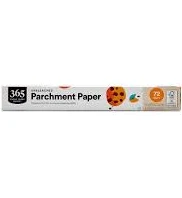
· Parchment Paper & Baking Liners
Unbleached Parchment Paper, 72 Sq Ft
Lower risk likely; unbleached paper with silicone coating unlikely to contain traditional PFAS.
Unbleached parchment typically uses silicone coating instead of Teflon-family coating. The brand makes no PFAS disclosure, but the material composition suggests lower risk than wax or grease-resistant coatings.
The better-graded swap
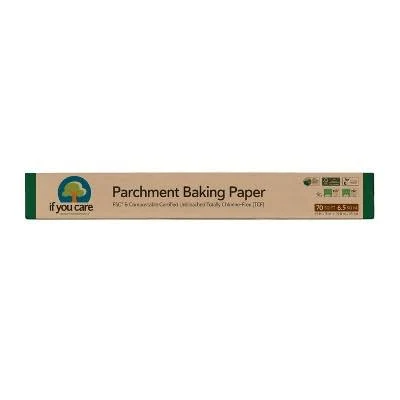
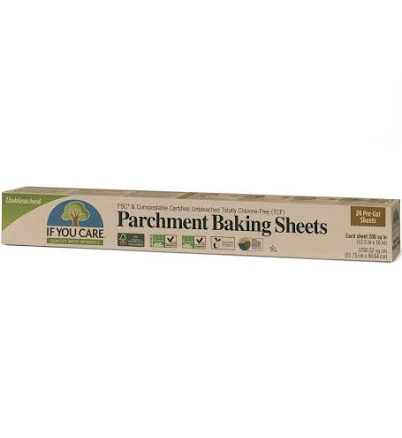
If You Care
If You Care Parchment Baking Paper
90/100 safety
Same rubric that flunked this product. The swap earned Excellent.
Still want this one anyway? Check the price on Amazon. We’d swap it.
Material
silicone-coated paper
Brand disclosure
Brand is silent on PFAS
Lab data
No public lab test
You may also be interested in
Top-graded picks in the categories readers replace first, every one scored on the same rubric.

- polypropylene filter housing, carbon/sediment cartridge
- We found no PFAS statement from the brand
- Bacterial growth in spent cartridges
3 hazards checked on this product, all on its full breakdown.

Aquasure
Premier Series 75 GPD Under Sink Reverse Osmosis Water Filtration System
- RO membrane, carbon filters, stainless steel housing
- We found no PFAS statement from the brand
- Bacterial and microbial growth in housing and filters
4 hazards checked on this product, all on its full breakdown.

Avocado
Vegan Mattress
- organic cotton, natural latex, coconut coir, recycled steel coils
- The brand calls it PFAS-free, which we have not verified
- Heavy metals
2 hazards checked on this product, all on its full breakdown.
What Unbleached Parchment Paper, 72 Sq Ft is made of, ingredients and materials
This product is paper coated with silicone, not Teflon-family coating like Teflon-type coating. Silicone is a synthetic polymer that does not contain fluorine and therefore does not require PFAS compounds for non-stick performance. The unbleached base paper means no chlorine-based bleaching agents, which reduces exposure to residual chlorinated compounds. Silicone coatings are heat-stable and food-contact approved by FDA for temperatures typical in home baking (up to 420-450°F depending on formulation).
What’s concerning
Category baseline
The starting point for this type of product, before anything specific to this product is counted.
No PFAS disclosure
No public statement from the brand about PFAS in this product.
Waterproof / stain-resistant treatment
Water-repellent coating treatments have historically used PFAS.
Silicone coating degradation and migration
At very high temperatures (above manufacturer limit) or with mechanical damage, silicone coatings can degrade and potentially shed microparticles. No studies have reported harmful silicone migration into food at normal use temperatures; risk is theoretical and linked to misuse rather than product design.
What’s reassuring
Residual chlorine from bleaching
This product is unbleached, so chlorine-based bleaching agents are not part of the manufacturing process. Bleached parchment from other brands may carry trace chlorine residues, but that hazard does not apply here.
Paper fiber contamination or recycled content concerns
No specific contamination reports exist for parchment paper. Unbleached paper does not indicate organic or virgin fiber sourcing; brand does not disclose whether recycled content is used, which could theoretically introduce legacy contaminants, though modern food-contact recycling standards minimize this.
Adhesive or glue residues in roll construction
Parchment rolls are typically held together with minimal adhesive applied to the paper edge only, not in contact with the baking surface. No safety incidents or residue reports are documented for this product or category.
How is this PFAS grade calculated?
The brand's record and disclosure
Brand does not publicly disclose specific PFAS testing or certification for this parchment paper, and the brand has no widely documented stance on PFAS in baking liners. However, no recalls, safety violations, or contamination reports specific to this product line are on public record. The unbleached designation aligns with the brand's general positioning toward minimally processed products, though this is a marketing choice rather than a certified standard for this specific item.
How it compares in its category
Silicone-coated parchment (bleached or unbleached) is the dominant commercial standard and shows lower concern than older wax-paper alternatives. Compared to competitor brands like If You Care or other eco-labeled options, lacks third-party certification (e.g., FSC for paper sourcing), but silicone itself poses no unique hazard versus major competitors. Unbleached versions carry a theoretical advantage by avoiding any trace chlorine residues, though the practical difference is negligible for typical home use.
If you buy it
Use parchment for oven temperatures up to the stated limit on packaging (typically 420-450°F); avoid direct flame or broiler contact, which can degrade silicone. Replace the sheet if the coating visibly peels, flakes, or becomes rough, as silicone degradation could shed particles into food. Parchment is single-use and not reusable after heavy soiling; dispose as regular paper waste. Store in a cool, dry place to prevent adhesion or moisture absorption.
What is not known about PFAS in this product?
- Basis
- Model estimate, 72% confidence, not a lab result
- Lab test
- None on record for this exact product
- Brand statement
- has made none
Formulations change between production runs, so check the current label. How we grade.
What are the PFAS-free alternatives to Unbleached Parchment Paper, 72 Sq Ft?
- silicone-coated parchment paper
- The brand calls it PFAS-free, which we have not verified
- Paper degradation and particulate shedding
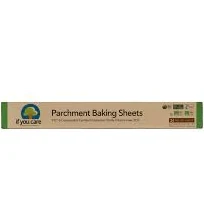
- unbleached paper with silicone coating
- The brand calls it PFAS-free, which we have not verified
- Silicone coating degradation at high heat
- bleached paper with silicone coating
- The brand calls it PFAS-free, which we have not verified
- Paper degradation and fragmentation
More parchment paper & baking liners grades
How we score, every product runs through the same public 0-100 rubric based on materials, coatings, brand disclosure, lab findings, and recalls. See the full methodology → Spotted a mistake? Report an error.