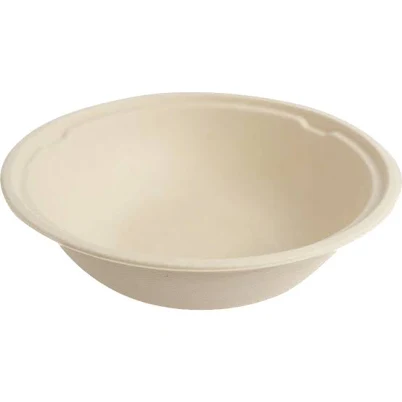
World Centric · Compostable Bowls
World Centric 32 oz. Compostable Fiber Take-Out Bowl
Medium-high risk. Skip until coating is disclosed.
Bleached pulp with an undisclosed grease-resistant coating. Fiber-based food packaging commonly depends on PFAS-containing treatments for moisture and oil repellency.
The better-graded swap
ECO-SYSTEMS Kraft Molded Fiber Bowl
100/100 safety
Same rubric that flunked this product. The swap earned Excellent.
Still want this one anyway? Check the price on Amazon. We’d swap it.
Material
Fiber (likely bleached pulp) with unspecified grease-resistant coating
Brand disclosure
Brand is silent on PFAS
Lab data
No public lab test
You may also be interested in
Top-graded picks in the categories readers replace first, every one scored on the same rubric.

- polypropylene filter housing, carbon/sediment cartridge
- We found no PFAS statement from the brand
- Bacterial growth in spent cartridges
3 hazards checked on this product, all on its full breakdown.

Aquasure
Premier Series 75 GPD Under Sink Reverse Osmosis Water Filtration System
- RO membrane, carbon filters, stainless steel housing
- We found no PFAS statement from the brand
- Bacterial and microbial growth in housing and filters
4 hazards checked on this product, all on its full breakdown.

Avocado
Vegan Mattress
- organic cotton, natural latex, coconut coir, recycled steel coils
- The brand calls it PFAS-free, which we have not verified
- Heavy metals
2 hazards checked on this product, all on its full breakdown.
What World Centric 32 oz. Take-Out Bowl is made of, ingredients and materials
World Centric's 32 oz bowl is molded from bleached wood fiber (likely virgin or recycled pulp) and coated with an unspecified grease-resistant substance to prevent liquid seepage. The coating is the critical unknown, greaseproofing in food-contact fiber bowls historically relied on PFAS-based compounds (PFOA, PFOS relatives) or alternative chemistries like silicones or waxes. Without World Centric's disclosure, the coating's chemistry cannot be verified. Bleached pulp itself is low-risk if chlorine bleaching residues are minimal (standard for food-contact grades).
What’s concerning
Category baseline
The starting point for this type of product, before anything specific to this product is counted.
No PFAS disclosure
No public statement from the brand about PFAS in this product.
Waterproof / stain-resistant treatment
Water-repellent coating treatments have historically used PFAS.
Grease-resistant coating composition (unspecified)
Fiber bowl grease-resistant coatings have historically used PFAS; World Centric has not disclosed whether this product uses PFAS, silicone, wax, or oleochemical alternatives. Undisclosed coating in a food-contact product is a significant transparency gap.
Coating degradation and microparticle migration
Over time or when exposed to heat and fatty foods, the coating may flake or shed particles into food. Risk level depends on coating durability, which cannot be assessed without knowing the coating type.
Mineral oil or other hydrocarbons from coating migration
If the coating is wax or mineral-oil-based rather than PFAS, migration into fatty foods remains a concern, though typically at lower toxicity levels than PFAS.
What’s reassuring
Bleached pulp residues (chlorine or oxygen bleach)
Food-grade bleached fiber pulp typically meets FDA standards for residual chlorine or hydrogen peroxide, but specific testing data for World Centric's sourcing is not publicly available. Standard industry practices make acute harm unlikely.
Formaldehyde / VOCs
Some industrial fiber coatings contain formaldehyde-releasing resins; World Centric's silence makes this unverifiable. Standard food-contact certifications would flag high formaldehyde levels, but off-gassing at low levels is possible.
Source, ATSDR ↗How is this PFAS grade calculated?
The brand's record and disclosure
World Centric markets itself as an eco-focused compostable foodware brand but has not published detailed ingredient disclosures or PFAS-free certifications for its coatings as of available public records. The brand promotes compostability certification (BPI or similar) but compostability does not address PFAS content in coatings, which may persist through industrial composting. No major recalls or formal PFAS testing results are on record, but silence on coating chemistry is a red flag in an industry where PFAS contamination in fiber bowls has been documented by independent researchers.
How it compares in its category
Compostable fiber bowls are a lower-toxicity alternative to polystyrene or PLA plastics for hot foods, but the grease-resistant coating is the weak link. Brands offering certified PFAS-free or oleochemical-coated fiber bowls (e.g., some Footprint or Notpla products) provide more transparency. World Centric's silence on coating type puts it in the middle tier of the compostable category, better than conventional foam but presenting greater concern than competitors with disclosed plant-oil-based coatings.
If you buy it
Contact World Centric directly to request coating material safety data sheet (SDS) or PFAS-free certification before purchase; this information should be publicly available for food-contact products. Use for room-temperature or lukewarm foods when possible; avoid prolonged contact with hot, fatty, or acidic foods, which may accelerate coating leaching. Compost according to local industrial composting facilities' guidelines (home composting may not break down the coating). Replace if coating shows visible peeling, cracking, or discoloration, which signals potential migration of coating particles into food.
What is not known about PFAS in this product?
- Basis
- Model estimate, 42% confidence, not a lab result
- Lab test
- None on record for this exact product
- Brand statement
- World Centric has made none
Formulations change between production runs, so check the current label. How we grade.
What are the PFAS-free alternatives to World Centric 32 oz. Compostable Fiber Take-Out Bowl?
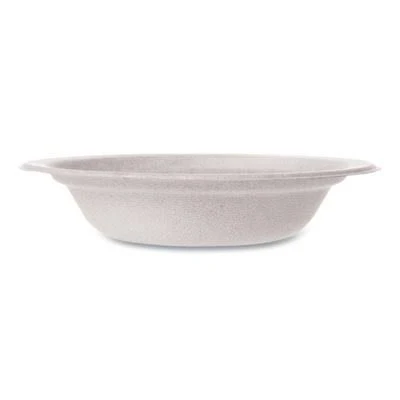
Bridge-Gate 12 oz. White Bagasse Bowl (1000 per Case)
- bagasse (sugarcane fiber), uncoated
- A third party reports verifying it as PFAS-free
- Mold or microbial growth during storage or use
3 hazards checked on this product, all on its full breakdown.
- Kraft molded fiber (uncoated or minimal treatment)
- A third party reports verifying it as PFAS-free
- Moisture absorption and microbial growth
3 hazards checked on this product, all on its full breakdown.
- sugarcane fiber, Kraft paper coating
- We found no PFAS statement from the brand
- Kraft paper coating migration (processing chemicals, sizing agents)
4 hazards checked on this product, all on its full breakdown.
More compostable bowls grades
How we score, every product runs through the same public 0-100 rubric based on materials, coatings, brand disclosure, lab findings, and recalls. See the full methodology → Spotted a mistake? Report an error.