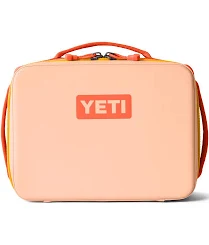
YETI Daytrip Charcoal 3 L Lunch Box Cooler
Lower concern lunch box; no PFAS disclosure found from brand.
YETI's Daytrip uses polypropylene and polyurethane, materials with lower inherent PFAS risk than Teflon-family coating coatings. Brand provides no PFAS statement; typical rigid coolers avoid Teflon-type coating but insulation additives remain unconfirmed.
We flunk more products than we pass. This one earned its grade. How we grade
Material
Polypropylene plastic liner, polyurethane foam insulation
Lab data
No public lab test
What YETI Daytrip Charcoal 3 L Lunch Box Cooler is made of, ingredients and materials
The YETI Daytrip uses a polypropylene (PP) plastic liner, a food-contact material rated for moderate heat and commonly used in lunch boxes and food storage. Polypropylene does not contain BPA, BPS, or phthalates by design, and is considered one of the more chemically stable plastics for food contact. The polyurethane foam insulation sits outside the food zone and does not come into contact with food or liquids under normal use.
What’s concerning
Category baseline
The starting point for this type of product, before anything specific to this product is counted.
No PFAS disclosure
No public statement from the brand about PFAS in this product.
Polyurethane foam off-gassing
Polyurethane foam may release volatile organic compounds (VOCs) including isocyanates or other breakdown products, particularly when new or exposed to heat. This risk is low for external insulation but increases if foam is punctured, compressed repeatedly, or heated above 120F (49C).
Microplastic shedding from liner wear
Polypropylene liners may shed microparticles with repeated washing, abrasion, or scratching. Risk is higher if the product is used with abrasive cleaners or harsh dishwashers; hand washing reduces exposure.
Bacterial growth in seals and foam
All foam-insulated coolers can harbor bacteria and mold in gaskets, seams, and foam if not dried thoroughly after each use. Buildup is more likely in humid climates or if the lid is closed while damp. Regular cleaning and air-drying prevent this.
What’s reassuring
Base material not linked to PFAS
The main material recorded for this product is not one associated with PFAS.
Polypropylene leaching (general)
Food-grade polypropylene does not leach BPA, phthalates, or antimony under normal use conditions. No documented leaching reported for YETI Daytrip or comparable PP lunch boxes at ambient or moderately warm temperatures.
Temperature stability of polypropylene
No documented failure or leaching of the PP liner below 140F (60C). However, prolonged or repeated contact with near-boiling liquids may compromise structural integrity and increase minor microplastic release over time.
The full breakdown
The brand's record and disclosure
YETI does not publicly disclose PFAS content or manufacturing certifications on this product. The brand has not issued voluntary PFAS reduction commitments or third-party testing results for the Daytrip line. No recalls or safety warnings specific to this cooler model are on record. The brand's transparency on materials and chemical content remains limited compared to certifying competitors.
How it compares in its category
Hard-shell polypropylene lunch boxes are standard in the category and pose no lower leaching risk than this product. Many competitors (e.g., OtterBox, Pelican) use similar PP liners with comparable or identical transparency on chemical content. YETI's price point reflects build quality and insulation performance, not material safety improvements. This product sits at the middle-to-upper tier of material safety for rigid food coolers, with no documented advantages in chemical composition.
If you buy it
Hand wash the liner in cool to warm water; avoid prolonged contact with hot liquids or dishwasher cycles, as polypropylene softens above 140F (60C). Do not store acidic foods (citrus, vinegar) for extended periods, as they may accelerate minor surface stress. Inspect the seals and lid gaskets annually for wear; replace if cracked or discolored. Store dry and away from direct sunlight to prevent foam degradation and odor buildup.
What we don’t know
- Basis
- Model estimate, 62% confidence, not a lab result
- Lab test
- None on record for this exact product
- Brand statement
- Yeti has made a specific claim
Formulations change between production runs, so check the current label. How we grade.
Better-graded alternatives in Lunch Boxes
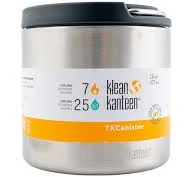
Klean Kanteen
Double Wall Vacuum Insulated Stainless Steel Food Canister Container with Leak Proof Lid
- Stainless steel body, silicone gasket lid seal
- The brand calls it PFAS-free, which we have not verified
- Silicone gasket degradation
3 hazards checked on this product. See all of them.
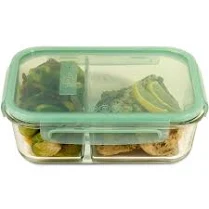
Snapware
Meal Box Glass
- borosilicate glass
- We found no PFAS statement from the brand
- Leaching from glass matrix or lid seals
2 hazards checked on this product. See all of them.
OXO
Steel Pop Big Square Short - 2.8 Qt/2.6 l
- Stainless steel container, no surface treatment
- Lid/gasket polymer leaching
3 hazards checked on this product. See all of them.
More lunch boxes grades
How we score, every product runs through the same public 0-100 rubric based on materials, coatings, brand disclosure, lab findings, and recalls. See the full methodology → Spotted a mistake? Report an error.