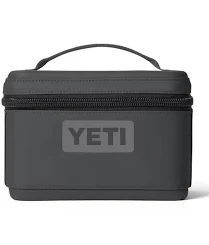
YETI Daytrip Lunch Box
Skip until brand discloses sealing materials and foam type.
YETI does not publicly disclose PFAS use in the Daytrip. Insulation foam and gasket seals are common PFAS sources in coolers; brand silence on these materials is a red flag for concerned buyers.
We flunk more products than we pass. This one earned its grade. How we grade
Material
Plastic exterior, foam insulation, plastic/rubber gasket seals
Lab data
No public lab test
What YETI Daytrip Lunch Box is made of, ingredients and materials
The YETI Daytrip is a rigid plastic exterior shell (material type not publicly specified by brand) with foam core insulation and elastomer gasket seals. The foam type and density are not disclosed in available product information. Rigid plastic food-contact containers are generally lower-risk for leaching than flexible plastics under normal cold-storage use, but the insulation foam and seal materials, especially if they are polyurethane or polyethylene foam, can theoretically off-gas volatile compounds over time, particularly if exposed to heat or direct sunlight during storage.
What’s concerning
Category baseline
The starting point for this type of product, before anything specific to this product is counted.
No PFAS disclosure
No public statement from the brand about PFAS in this product.
Foam off-gassing and volatile organic compounds (VOCs)
The foam core insulation material is not identified in public product information. If it is polyurethane or polyethylene foam with added flame retardants or blowing agents, low-level VOC emissions are possible, especially during the first weeks after manufacture and in warm environments. This is typical for many insulated lunch boxes but remains unconfirmed for this product.
Microbial growth in foam insulation and seals
Porous foam and rubber gaskets in all insulated lunch boxes can harbor mold and bacteria if not dried thoroughly after use. This is a general category concern, not specific to YETI, but proper maintenance is essential. Regular cleaning and air-drying are required to prevent mold.
PFAS
YETI has not disclosed whether the foam core or gasket materials contain PFAS-based water repellents or flame retardants. Given the brand's silence on PFAS chemistry and the typical use of such additives in insulation foams, this remains a gap in transparency. This hazard is tracked separately under the PFAS grade but warrants direct inquiry with the manufacturer.
Source, ATSDR ↗What’s reassuring
Base material not linked to PFAS
The main material recorded for this product is not one associated with PFAS.
BPA & bisphenols
No BPA or BPS contamination is documented for YETI Daytrip products. However, the exact resin and seal polymer are not disclosed, so independent verification is not possible. Rigid food-contact plastics are typically polypropylene (low concern) or polyethylene terephthalate (PET, also low concern), neither of which requires BPA as a functional ingredient.
Source, FDA ↗Phthalates
No phthalate contamination is reported for YETI seals. Gasket materials used in food-contact applications are usually formulated to avoid phthalates, but YETI does not disclose whether their elastomer seals are phthalate-free. Contact the brand to confirm.
Source, ATSDR ↗The full breakdown
The brand's record and disclosure
YETI does not publicly disclose the specific plastic resin, foam formulation, or whether any flame retardants or PFAS water-repellents are used in gasket materials or foam. The brand has not published chemical composition certifications or pledged to specific chemical standards for food-contact hard goods. No recalls related to chemical leaching from this product are on record. The silence on foam and seal chemistry is a notable gap for a premium product in this price range.
How it compares in its category
Hard-sided lunch boxes made from opaque polypropylene (PP) or similar rigid plastics are common in this category and generally pose lower leaching risk than soft-sided insulated bags. Many competitors (Rubbermaid, Sistema, Bentgo) disclose materials more transparently. YETI's price point and brand positioning suggest premium materials, but that does not automatically mean lower chemical risk without transparency. The gasket design and seal material are typical for insulated boxes but remain unspecified here.
If you buy it
Keep the box out of direct sunlight and heat sources (above 100°F) during storage to minimize any potential off-gassing from foam or seals. Do not microwave the product or place it in high-heat environments. Rinse gaskets and interior surfaces with cool water after each use and allow to air-dry fully to prevent mold and bacterial growth in the foam pores. If any chemical odor develops, discontinue use. Before purchase, contact YETI customer service to request the specific foam type, plastic resin code, and gasket material composition.
What we don’t know
- Basis
- Model estimate, 62% confidence, not a lab result
- Lab test
- None on record for this exact product
- Brand statement
- Yeti has made a specific claim
Formulations change between production runs, so check the current label. How we grade.
Better-graded alternatives in Lunch Boxes
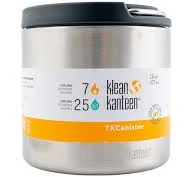
Klean Kanteen
Double Wall Vacuum Insulated Stainless Steel Food Canister Container with Leak Proof Lid
- Stainless steel body, silicone gasket lid seal
- The brand calls it PFAS-free, which we have not verified
- Silicone gasket degradation
3 hazards checked on this product. See all of them.
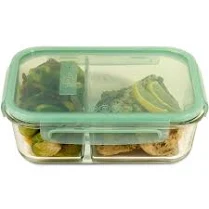
Snapware
Meal Box Glass
- borosilicate glass
- We found no PFAS statement from the brand
- Leaching from glass matrix or lid seals
2 hazards checked on this product. See all of them.
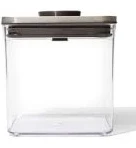
OXO
Steel Pop Big Square Short - 2.8 Qt/2.6 l
- Stainless steel container, no surface treatment
- Lid/gasket polymer leaching
3 hazards checked on this product. See all of them.
More lunch boxes grades
How we score, every product runs through the same public 0-100 rubric based on materials, coatings, brand disclosure, lab findings, and recalls. See the full methodology → Spotted a mistake? Report an error.