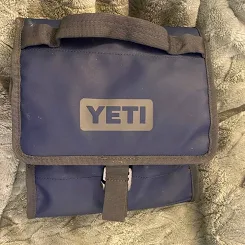
Yeti Lunchbox - Home
Lower concern. YETI does not disclose PFAS use in lunchbox.
Yeti Lunchbox is primarily stainless steel with plastic interior components. The brand makes no PFAS claims or disclosures for this product line.
We flunk more products than we pass. This one earned its grade. How we grade
Material
Stainless steel, plastic liner
Lab data
No public lab test
What Yeti Lunchbox - Home is made of, ingredients and materials
The Yeti Lunchbox Home uses a stainless steel outer shell and an internal plastic liner for insulation and food contact. Stainless steel itself does not leach into food under normal use. The plastic liner is the primary food-contact surface; its composition (whether polypropylene, polyethylene, or another resin) determines risk of migration. YETI does not publicly specify the exact resin type or any coatings on the liner, limiting independent assessment of BPA, BPS, or phthalate risk.
What’s concerning
Category baseline
The starting point for this type of product, before anything specific to this product is counted.
No PFAS disclosure
No public statement from the brand about PFAS in this product.
BPA & bisphenols
YETI does not disclose the plastic resin type or confirm BPA-free status. If the liner contains polycarbonate or older polypropylene formulations, migration into fatty or acidic foods is possible, though no recalls or test failures are on record for this product.
Source, FDA ↗Phthalates
Food-contact plastics in some lunchboxes contain phthalate plasticizers. YETI does not publish phthalate-free certification. Risk is present if the liner is flexible PVC or recycled plastic, but no documented incidents exist for Yeti Lunchbox.
Source, ATSDR ↗Microplastics
Repeated thermal cycling and abrasion can cause the plastic liner to degrade over years. Small plastic fragments could shed into food, though this occurs slowly and is not unique to Yeti.
Source, EPA ↗Bacterial growth in sealed design
The insulated, airtight construction is designed to retain moisture and warmth, which can accelerate bacterial colonization if food sits inside for extended periods or is stored while warm. This is a use-pattern risk, not a material hazard.
What’s reassuring
Base material not linked to PFAS
The main material recorded for this product is not one associated with PFAS.
Coating leachables (if present on liner surface)
YETI does not disclose whether the plastic liner bears any non-stick, antimicrobial, or water-repellent coating. Without that information, hazards from coating components cannot be assessed; no coating-related incidents are recorded for this model.
The full breakdown
The brand's record and disclosure
YETI maintains a public sustainability statement but does not publish detailed material safety data sheets or third-party testing results for lunchbox liners. The brand has no recorded recalls for leaching or chemical migration in this product line. YETI does not disclose PFAS use, which is common for cooler and food-storage brands but leaves users without transparency on water-repellent or grease-resistant coatings that might contain fluorinated compounds.
How it compares in its category
Stainless steel food containers with plastic liners are mid-range in the lunch-storage market. Glass-lined or all-stainless alternatives eliminate plastic leaching risk entirely but are heavier and more expensive. Plastic-only lunch boxes carry higher documented BPA and phthalate risk if not food-grade certified. The Yeti's hybrid design balances durability and thermal performance with some residual plastic-contact concern that is not quantified by the brand.
If you buy it
Do not expose the lunchbox to temperatures above 140F (60C) repeatedly, as plastic liners can soften and increase leaching risk at high heat. Hand-wash rather than dishwasher to reduce thermal and abrasion stress on the liner. Inspect the interior quarterly for cracks, discoloration, or odor changes; replace if the plastic shows wear or permanent discoloration. Store food for no longer than 4 hours at room temperature to minimize bacterial growth; the sealed design does not sterilize contents.
What we don’t know
- Basis
- Model estimate, 72% confidence, not a lab result
- Lab test
- None on record for this exact product
- Brand statement
- Yeti has made a specific claim
Formulations change between production runs, so check the current label. How we grade.
Better-graded alternatives in Lunch Boxes
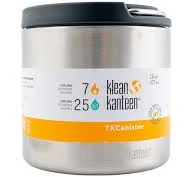
Klean Kanteen
Double Wall Vacuum Insulated Stainless Steel Food Canister Container with Leak Proof Lid
- Stainless steel body, silicone gasket lid seal
- The brand calls it PFAS-free, which we have not verified
- Silicone gasket degradation
3 hazards checked on this product. See all of them.
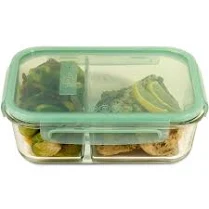
Snapware
Meal Box Glass
- borosilicate glass
- We found no PFAS statement from the brand
- Leaching from glass matrix or lid seals
2 hazards checked on this product. See all of them.
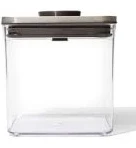
OXO
Steel Pop Big Square Short - 2.8 Qt/2.6 l
- Stainless steel container, no surface treatment
- Lid/gasket polymer leaching
3 hazards checked on this product. See all of them.
More lunch boxes grades
How we score, every product runs through the same public 0-100 rubric based on materials, coatings, brand disclosure, lab findings, and recalls. See the full methodology → Spotted a mistake? Report an error.