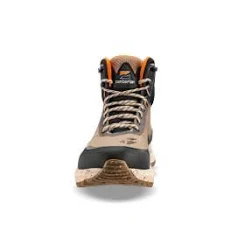
Zamberlan Men's Devero Mid GTX Hiking Boots
Gore-Tex waterproofing likely contains PFAS; brand silent on chemistry.
Zamberlan does not disclose PFAS use or absence. Gore-Tex lining is standard in hiking boots but typically relies on PFAS-based Teflon-family coating for water-repellency, though Gore-Tex has explored alternatives.
Still want this one anyway? Check the price on Amazon. We’d swap it.
Material
Leather upper, Gore-Tex membrane lining, rubber sole
Brand disclosure
Brand is silent on PFAS
Lab data
No public lab test
What Zamberlan Men's Devero Mid GTX Hiking is made of, ingredients and materials
The Devero Mid uses a leather upper, which is tanned and finished at source; Gore-Tex membrane for waterproofing and breathability; and a rubber sole. Leather tanning can involve chromium salts (chrome tanning is standard) and vegetable tannins, both of which are processed off-site by suppliers. The Gore-Tex membrane is the waterproofing layer, not the leather itself. Rubber soles are typically vulcanized natural or synthetic rubber, which does not release hazardous volatiles under normal wear conditions.
What’s concerning
Waterproof / stain-resistant treatment
Water-repellent coating treatments have historically used PFAS.
Category baseline
The starting point for this type of product, before anything specific to this product is counted.
No PFAS disclosure
No public statement from the brand about PFAS in this product.
Chromium from leather tanning
Leather upper is likely chrome-tanned, the industry standard. Chrome salts are rinsed and fixed into the leather during tanning; dermal contact risk from finished leather is low, but tannery runoff is a supply-chain concern. Zamberlan does not disclose tannery location or practices.
Formaldehyde / VOCs
Leather finishes may contain formaldehyde-based binders to improve water repellency and durability. Off-gassing from finished leather is minimal under normal wear, but new boots may have detectable odor for the first few days. Airing the boots indoors in ventilation reduces this.
Source, ATSDR ↗Teflon-type coating fumes from Gore-Tex under extreme heat
Gore-Tex membrane is a microporous Teflon-type coating film. Under normal hiking conditions, temperature does not approach the degradation threshold (around 260°C). Risk is only significant if boots are stored near heat sources or deliberately heated to dry them rapidly.
What’s reassuring
Heavy metals
No recall or public report of azo dyes or cadmium in Zamberlan leather products. However, brand does not disclose dye chemistry or pigment sourcing, so field data is limited.
Source, FDA ↗Rubber sole volatiles or leachates
Vulcanized rubber soles do not release hazardous volatiles under normal wear or ambient temperature. No public reports of leaching from Zamberlan rubber soles into skin or soil.
The full breakdown
The brand's record and disclosure
Zamberlan is an Italian heritage brand with a long outdoor footwear history, but no public chemical disclosure policy or third-party certifications (Bluesign, OEKO-TEX) visible in standard searches. The brand has not publicly addressed PFAS or other restricted chemicals in its supply chain. For a premium hiking boot at this price point, absence of material transparency is notable; competitors like Salewa and Scarpa have begun disclosing tannery practices and restricting PFAS.
How it compares in its category
Hiking boots as a category carry low chemical hazard compared to apparel (no dyes close to skin, no antimony). Leather-and-rubber construction is standard and lower-risk than synthetic uppers. The Gore-Tex membrane is industry-standard for waterproofing in premium boots; nearly all competitors in this tier use it or similar Teflon-type coating-based membranes. What differentiates this product is the lack of brand commitment to chemical transparency, which is increasingly expected in the category.
If you buy it
Store boots in a cool, dry place away from direct heat or sunlight; Gore-Tex performance degrades if exposed to extreme temperatures. Clean leather with a damp cloth and neutral soap, not harsh solvents. Inspect the sole annually for worn tread; re-soling is common at 3-5 years. Zamberlan offers repair services through distributors. If waterproofing fails noticeably, have it re-waterproofed rather than discarding, as the boot body is durable.
What we don’t know
- Basis
- Model estimate, 35% confidence, not a lab result
- Lab test
- None on record for this exact product
- Brand statement
- Zamberlan has made none
Formulations change between production runs, so check the current label. How we grade.
Better-graded alternatives in Waterproof Boots
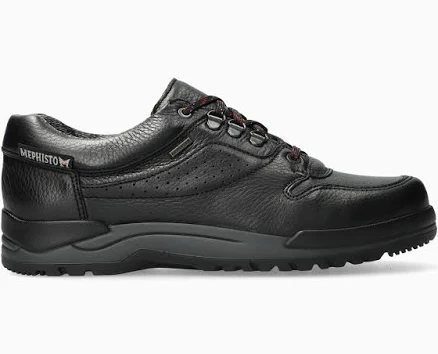
Mephisto
Men Mephisto Curt Mt SNEAKER
- leather, textile, rubber sole
- We found no PFAS statement from the brand
- Volatile organic compounds (VOC) off-gassing from adhesives
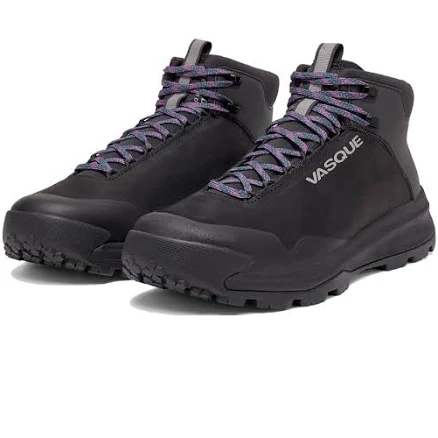
Vasque
Hiking shoes Vasque Women's Horizon Mid
- Leather/nubuck upper, synthetic/rubber sole, no coating disclosed
- We found no PFAS statement from the brand
- Azo dyes (leather/textile coloring)
4 hazards checked on this product. See all of them.
More waterproof boots grades
How we score, every product runs through the same public 0-100 rubric based on materials, coatings, brand disclosure, lab findings, and recalls. See the full methodology → Spotted a mistake? Report an error.