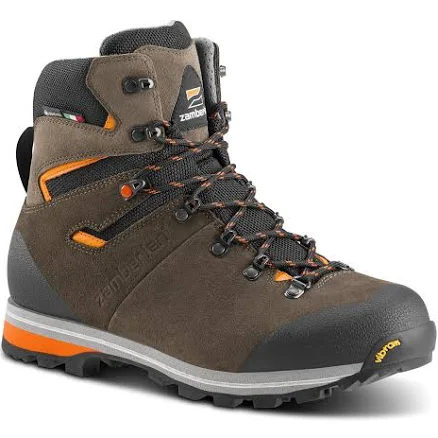
Zamberlan Men's Thunder GTX
Gore-Tex likely contains PFAS; Zamberlan makes no disclosure.
Gore-Tex membranes are widely reported to contain PFOA/PFAS for waterproofing. Zamberlan does not publicly disclose PFAS content or alternatives. High concern hiking boot.
Still want this one anyway? Check the price on Amazon. We’d swap it.
Material
Leather/textile upper with Gore-Tex membrane (waterproof lining)
Brand disclosure
Brand is silent on PFAS
Lab data
No public lab test
What Zamberlan Men's Thunder GTX is made of, ingredients and materials
The Thunder GTX combines a leather and textile upper with a Gore-Tex waterproof-breathable membrane lining. Gore-Tex is a Teflon-family coating film engineered for water resistance and typically requires PFAS chemistry in its manufacturing and durable water repellency treatments. The leather and synthetic textiles are tanned and dyed using conventional processes that may include formaldehyde resins (for durability) and azo dyes. The sole and adhesives complete the assembly, but Gore-Tex is the component of highest concern for non-PFAS chemical exposure.
What’s concerning
Waterproof / stain-resistant treatment
Water-repellent coating treatments have historically used PFAS.
Category baseline
The starting point for this type of product, before anything specific to this product is counted.
No PFAS disclosure
No public statement from the brand about PFAS in this product.
Formaldehyde / VOCs
Leather tanning and synthetic textile dye-setting commonly use formaldehyde-releasing urea-formaldehyde resins for durability and color stability. No test data for this specific Zamberlan model is on record; the risk is inherent to conventional leather footwear and typically low during outdoor wear after initial off-gassing.
Source, ATSDR ↗Heavy metals
Conventional textile and leather dyes may include azo compounds and residual heavy metals from pigment synthesis. Zamberlan does not publish dye chemical specifications or compliance with OEKO-TEX Standard 100. Risk is typical for non-certified footwear; external contact exposure is low, but internal lining (especially Gore-Tex side) may retain more residue.
Source, FDA ↗PFAS
While PFAS is scored separately, the Gore-Tex membrane requires examination for other fluorochemical residues or non-PFAS additives used in manufacturing. Gore-Tex itself is fluorocarbon polymer; manufacturing may introduce volatile organic compounds (VOCs) during curing, though levels in finished boots are typically low after adequate off-gassing.
Source, ATSDR ↗Adhesive and seam-tape off-gassing
Polyurethane or epoxy adhesives used to bond the Gore-Tex membrane to the upper and seal seams may emit VOCs during the first days to weeks of wear. No records of complaints or high concentrations for Zamberlan boots exist, but new footwear odor is a common indicator of adhesive cure. Off-gassing typically diminishes rapidly with ventilation.
Microplastic shedding from synthetic textile components
If the upper includes synthetic fibers (polyester, nylon), abrasion during wear releases microplastics into the environment. This is not a direct consumer health hazard but an environmental concern. Zamberlan does not publish fiber composition percentages for the Thunder GTX textile panels.
The full breakdown
The brand's record and disclosure
Zamberlan is an Italian heritage mountaineering boot maker with no published chemical disclosure policy, restricted substance list, or third-party certifications (such as Bluesign or OEKO-TEX) visible in mainstream records. The company has not publicly acknowledged or addressed PFAS in its Gore-Tex products or committed to PFAS phase-out. This silence is consistent with many traditional footwear brands that rely on Gore-Tex without actively communicating its fluorochemical composition to consumers.
How it compares in its category
Premium hiking boots universally use Gore-Tex or similar Teflon-type coating-based membranes for the waterproof-breathable performance expected at this price point and durability tier. Zamberlan's use of Gore-Tex is standard, not a distinguishing factor. Brands with higher transparency (Salomon, Scarpa) publish restricted substance commitments but still use Gore-Tex. Non-membrane alternatives (leather-only or treated fabric) exist but sacrifice performance; PFAS exposure via Gore-Tex is a trade-off inherent to the category, not unique to this model.
If you buy it
Maximize the boot's lifespan to limit replacement cycles and PFAS exposure, clean gently with cool water and mild soap, avoid heat (no direct drying near flame or high heat), and store dry in a ventilated space. Reseal the Gore-Tex seams every 12-18 months if using frequently in wet conditions, following Zamberlan's care guide. Do not machine wash or tumble dry. If the membrane delaminates or leaks persistently, retirement and recycling (not landfill) are appropriate; repair may not restore waterproofing.
What we don’t know
- Basis
- Model estimate, 45% confidence, not a lab result
- Lab test
- None on record for this exact product
- Brand statement
- Zamberlan has made none
Formulations change between production runs, so check the current label. How we grade.
Better-graded alternatives in Waterproof Boots
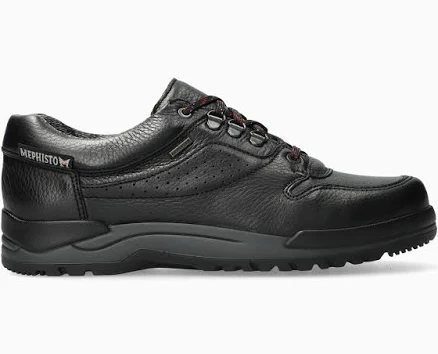
Mephisto
Men Mephisto Curt Mt SNEAKER
- leather, textile, rubber sole
- We found no PFAS statement from the brand
- Volatile organic compounds (VOC) off-gassing from adhesives
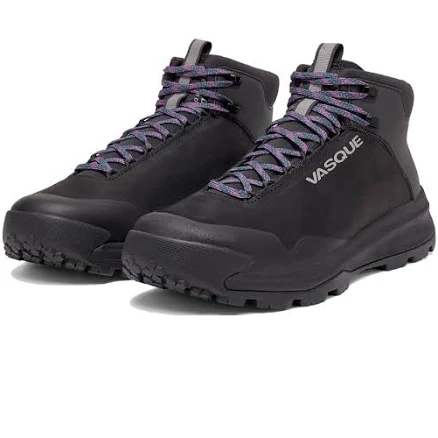
Vasque
Hiking shoes Vasque Women's Horizon Mid
- Leather/nubuck upper, synthetic/rubber sole, no coating disclosed
- We found no PFAS statement from the brand
- Azo dyes (leather/textile coloring)
4 hazards checked on this product. See all of them.
More waterproof boots grades
How we score, every product runs through the same public 0-100 rubric based on materials, coatings, brand disclosure, lab findings, and recalls. See the full methodology → Spotted a mistake? Report an error.