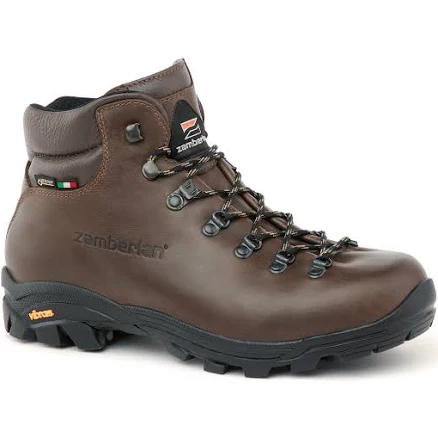
Zamberlan Trail Lite GTX Men's Hiking Boots
Skip until Zamberlan discloses water-repellent coating and membrane chemistry.
Hiking boots with Gore-Tex waterproofing, a Teflon-family coating membrane often treated with PFAS water-repellent coating. Zamberlan provides no PFAS disclosure or third-party verification of safer alternatives.
Still want this one anyway? Check the price on Amazon. We’d swap it.
Material
leather, fabric, Gore-Tex membrane
Brand disclosure
Brand is silent on PFAS
Lab data
No public lab test
What Zamberlan Trail Lite GTX Men's Hiking is made of, ingredients and materials
These boots combine leather uppers, textile fabric (likely nylon or polyester blend), and a Gore-Tex waterproof-breathable membrane. The Gore-Tex itself is a Teflon-type coating (polytetrafluoroethylene) film bonded to fabric backing; most Gore-Tex products are treated with fluorocarbon-based water-repellent coating (water-repellent coating) finishes to shed water. Zamberlan does not publicly disclose whether their water-repellent coating contains PFOA, PFOS, or other long-chain PFAS compounds, which is the primary chemical risk. Leather and most hiking boot fabrics are not inherently hazardous, though both can harbor residual chemicals from tanning and finishing.
What’s concerning
Waterproof / stain-resistant treatment
Water-repellent coating treatments have historically used PFAS.
Category baseline
The starting point for this type of product, before anything specific to this product is counted.
No PFAS disclosure
No public statement from the brand about PFAS in this product.
PFAS
Gore-Tex membranes and fluorocarbon water-repellent coating finishes are well-documented sources of PFOA, PFOS, and other long-chain PFAS. Zamberlan provides no transparency on their specific water-repellent coating formulation or whether they have transitioned to PFAS-free alternatives.
Source, ATSDR ↗Azo dyes and colorfast concerns in textile fabric
The nylon or polyester fabric components may be dyed with azo colorants; however, Zamberlan does not disclose dye chemistry, and no recalls for restricted azo dyes (e.g., those producing carcinogenic amines) are on record for this model.
Formaldehyde / VOCs
Textiles in hiking boots are often finished with formaldehyde-based resins for wrinkle resistance or dimensional stability. Zamberlan does not specify whether formaldehyde-free finishing is used; typical concentrations in footwear are low, but chronic skin contact is possible.
Source, ATSDR ↗Heavy metals
Leather tanning may involve chromium salts, and leather dyes can contain trace heavy metals. No published testing or recalls for lead or cadmium in Zamberlan boots exist; Italian leather tanneries generally meet EU limits, but ingredient transparency is not provided by the brand.
Source, FDA ↗Coating degradation and membrane failure
The Gore-Tex membrane is mechanically bonded to fabric and the water-repellent coating degrades with repeated washing and flexing. Delamination or loss of water repellency can occur within 2-4 years, after which the boot loses its waterproof function but remains wearable for dry conditions.
The full breakdown
The brand's record and disclosure
Zamberlan is an Italian mountaineering boot manufacturer with no published statements on PFAS phase-out, water-repellent coating chemistry, or restricted substance testing. The brand has not announced adoption of PFAS-free waterproofing alternatives, nor responded to industry pressure on fluorocarbon disclosure. No major product recalls for lead, cadmium, or other heavy metals in coatings are on public record for this model.
How it compares in its category
Most premium hiking boots use Gore-Tex or similar Teflon-type coating membranes, nearly all treated with legacy fluorocarbon DWRs; Zamberlan is typical in this regard. A smaller segment of brands (Salomon, some Scarpa models) now offer PFAS-free alternatives using polyurethane or polyester membranes with non-fluorinated water repellents. If PFAS exposure from textiles is a concern, seeking boots with explicit PFAS-free certification is the alternative; Zamberlan does not offer such products at present.
If you buy it
Wash boots in cool water with mild soap after muddy hikes to remove dirt that may concentrate contaminants. Air-dry away from direct heat or sunlight; do not expose to high temperatures or open flame, which could stress Gore-Tex durability. Replace boots when the membrane develops visible cracks or when water no longer beads on the leather, typically 2-4 years of regular use. Avoid reproofing treatments; reapplication of water-repellent coating finishes introduces additional chemical exposure and is rarely cost-effective on hiking boots.
What we don’t know
- Basis
- Model estimate, 45% confidence, not a lab result
- Lab test
- None on record for this exact product
- Brand statement
- Zamberlan has made none
Formulations change between production runs, so check the current label. How we grade.
Better-graded alternatives in Waterproof Boots
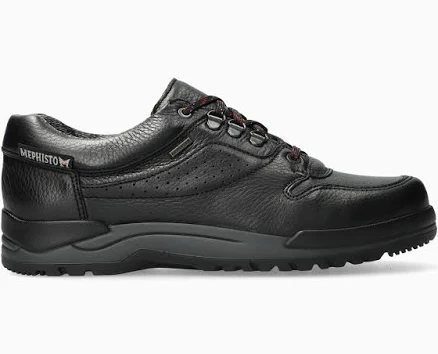
Mephisto
Men Mephisto Curt Mt SNEAKER
- leather, textile, rubber sole
- We found no PFAS statement from the brand
- Volatile organic compounds (VOC) off-gassing from adhesives
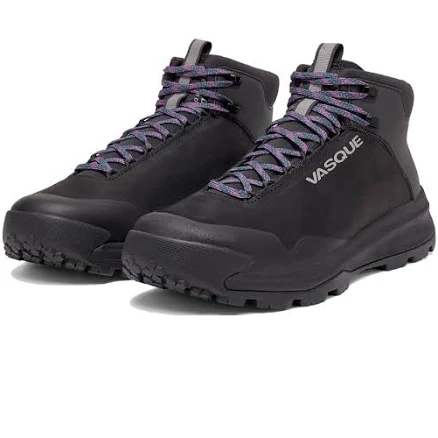
Vasque
Hiking shoes Vasque Women's Horizon Mid
- Leather/nubuck upper, synthetic/rubber sole, no coating disclosed
- We found no PFAS statement from the brand
- Azo dyes (leather/textile coloring)
4 hazards checked on this product. See all of them.
More waterproof boots grades
How we score, every product runs through the same public 0-100 rubric based on materials, coatings, brand disclosure, lab findings, and recalls. See the full methodology → Spotted a mistake? Report an error.