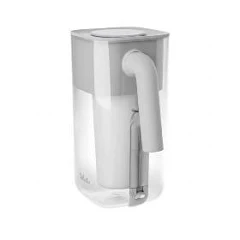
Culligan 10 Cup Pitcher
No coating of concern recorded, and no PFAS statement from the brand.
The brand has published no PFAS statement for this product that we could find.
We flunk more products than we pass. This one earned its grade. How we grade
Material
activated carbon filter cartridge, BPA-free plastic pitcher body
Lab data
No public lab test
You may also be interested in
Top-graded picks in the categories readers replace first, every one scored on the same rubric.

- polypropylene filter housing, carbon/sediment cartridge
- We found no PFAS statement from the brand
- Bacterial growth in spent cartridges
3 hazards checked on this product, all on its full breakdown.

Aquasure
Premier Series 75 GPD Under Sink Reverse Osmosis Water Filtration System
- RO membrane, carbon filters, stainless steel housing
- We found no PFAS statement from the brand
- Bacterial and microbial growth in housing and filters
4 hazards checked on this product, all on its full breakdown.

Avocado
Vegan Mattress
- organic cotton, natural latex, coconut coir, recycled steel coils
- The brand calls it PFAS-free, which we have not verified
- Heavy metals
2 hazards checked on this product, all on its full breakdown.
What Culligan 10 Cup Pitcher is made of, ingredients and materials
The pitcher body is plastic formulated without BPA, a known endocrine disruptor. The filter cartridge uses activated carbon, which traps chlorine, odor, and some contaminants through adsorption rather than chemical leaching. Activated carbon itself is inert once cured and does not shed particles into water under normal use. The seal and valve components are also plastic; no metal or ceramic coatings are involved, eliminating lead, cadmium, or Teflon-type coating fume risks typical of cookware.
What’s concerning
No PFAS disclosure
No public statement from the brand about PFAS in this product.
Bacterial growth if filter unmaintained
Activated carbon is a permeable medium that can harbor biofilm if water sits stagnant or the cartridge is not replaced on schedule. Culligan recommends replacement every 2-3 months; failure to do so increases risk of pathogenic bacteria colonizing the filter bed.
Microplastics
If the activated carbon cartridge cracks or is used beyond its recommended lifespan, fine carbon particles or binding resin fragments may shed into filtered water. Regular replacement mitigates this risk.
Source, EPA ↗What’s reassuring
Base material not linked to PFAS
The main material recorded for this product is not one associated with PFAS.
Plastic leachables from pitcher body
The pitcher is labeled BPA-free, and no evidence of BPA, BPS, or phthalate migration has been reported for this model. However, under extended heat exposure (e.g., refilling with very hot water repeatedly), minor leaching of other polymer additives is theoretically possible but not documented.
Housing leachables from seal materials
Valve gaskets and seal components are typically silicone or plastic; no leaching reports exist for this pitcher. Silicone seals do not leach under normal water contact and cold storage.
How is this PFAS grade calculated?
The brand's record and disclosure
Culligan is a long-established water treatment company with no recorded product recalls or safety violations for this pitcher model in public databases. The brand does not publish explicit PFAS statements, but no PFAS coating of concern has been documented on this product. Culligan has not sought third-party certifications such as NSF for this specific pitcher, relying instead on internal BPA-free claims and EPA compliance for filter performance.
How it compares in its category
Pitcher filters occupy the lowest-risk tier of water filtration because they are passive, non-electric, and generate no fumes or heating hazards. Culligan's activated carbon approach is standard and presents lower concern than pitchers using ion-exchange resin, which can occasionally release small amounts of sodium or resin beads if the cartridge ruptures. The BPA-free plastic construction is now the market norm; older competitors using polycarbonate with BPA are largely phased out.
If you buy it
Replace the filter cartridge every 2-3 months or after 40 gallons, whichever comes first, to prevent bacterial colonization inside the carbon bed and maintain effectiveness. Do not use boiling water or leave the pitcher in direct sunlight for extended periods, as repeated thermal stress can weaken plastic seals over time. Hand-wash the pitcher body rather than placing it in the dishwasher to extend seal integrity. Store filters in a cool, dry place and discard opened cartridges that have not been used within 6 months, as exposed carbon can absorb ambient moisture and odors.
What is not known about PFAS in this product?
- Basis
- Model estimate, 72% confidence, not a lab result
- Lab test
- None on record for this exact product
- Brand statement
- Culligan has made a specific claim
Formulations change between production runs, so check the current label. How we grade.
What are the PFAS-free alternatives to Culligan 10 Cup Pitcher?
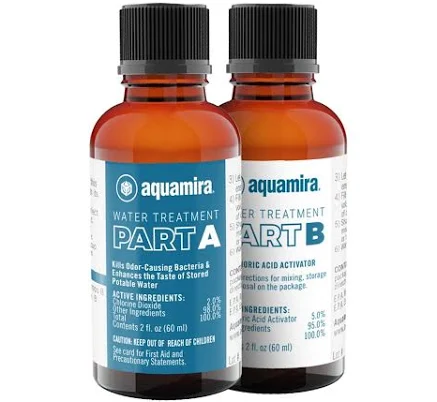
- glass bottles, sodium dichloroisocyanurate treatment chemical
- We found no PFAS statement from the brand
- Chemical overdose or misuse
5 hazards checked on this product, all on its full breakdown.
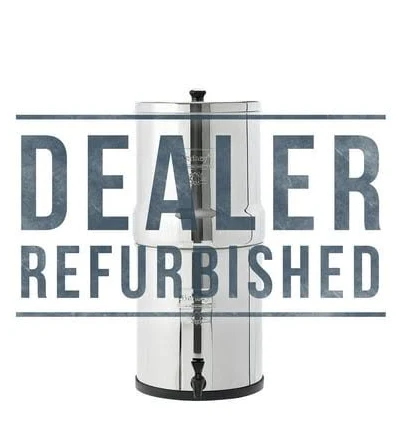
- Stainless steel housing and spigot
- We found no PFAS statement from the brand
- Bacterial growth and biofilm if filters not replaced
5 hazards checked on this product, all on its full breakdown.
- Borosilicate glass pitcher, replaceable activated-carbon filter cartridge
- Bacterial growth in filter cartridge if unmaintained
5 hazards checked on this product, all on its full breakdown.
More water filters grades
How we score, every product runs through the same public 0-100 rubric based on materials, coatings, brand disclosure, lab findings, and recalls. See the full methodology → Spotted a mistake? Report an error.