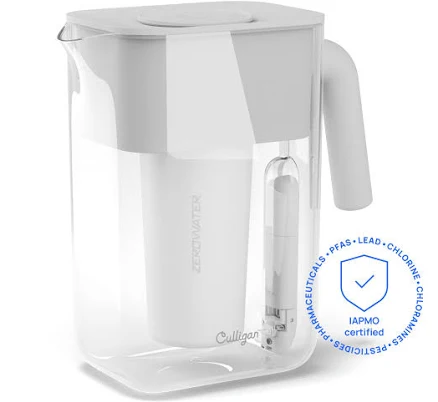
Culligan 12-Cup Water Filter Pitcher with ZeroWater Technology
No coating of concern recorded, and no PFAS statement from the brand.
The brand has published no PFAS statement for this product that we could find.
We flunk more products than we pass. This one earned its grade. How we grade
Material
Activated carbon and ion-exchange resin filter media
Lab data
No public lab test
You may also be interested in
Top-graded picks in the categories readers replace first, every one scored on the same rubric.

- polypropylene filter housing, carbon/sediment cartridge
- We found no PFAS statement from the brand
- Bacterial growth in spent cartridges
3 hazards checked on this product, all on its full breakdown.

Aquasure
Premier Series 75 GPD Under Sink Reverse Osmosis Water Filtration System
- RO membrane, carbon filters, stainless steel housing
- We found no PFAS statement from the brand
- Bacterial and microbial growth in housing and filters
4 hazards checked on this product, all on its full breakdown.

Avocado
Vegan Mattress
- organic cotton, natural latex, coconut coir, recycled steel coils
- The brand calls it PFAS-free, which we have not verified
- Heavy metals
2 hazards checked on this product, all on its full breakdown.
What Culligan 12-Cup Water Filter Technology is made of, ingredients and materials
ZeroWater pitchers use activated carbon and ion-exchange resin as the primary filtration media, both well-established materials for water treatment with no known leaching hazards under normal use. The pitcher housing itself is typically food-grade polypropylene or polyethylene, thermoplastics chosen for durability and chemical inertness in cold-water contact. No glazes, enamel coatings, or adhesives of concern are documented in the product line.
What’s concerning
No PFAS disclosure
No public statement from the brand about PFAS in this product.
Bacterial growth in exhausted or unmaintained filter media
Ion-exchange resin can become a growth medium for microorganisms if saturated and left in place too long or if the pitcher is not cleaned regularly. ZeroWater includes a TDS meter to help users identify saturation, reducing this risk if followed.
Filter cartridge seal degradation
Over time, rubber or silicone gaskets in the filter cartridge can lose elasticity or accumulate mineral deposits, potentially allowing unfiltered bypass. Rinsing cartridge seals during pitcher cleaning and replacing the entire cartridge on schedule mitigates this.
Contaminant reintroduction from ambient water quality
The filtered water remains vulnerable to recontamination if the pitcher is refilled with tap water at high microbial load or if stored in unsanitary conditions. This is a use-context issue, not a product defect, but remains a practical water-quality risk.
What’s reassuring
Base material not linked to PFAS
The main material recorded for this product is not one associated with PFAS.
Housing material leachables (polypropylene/polyethylene)
Food-grade PP and PE are not known to leach BPA, phthalates, or other endocrine disruptors in cold-water contact at room temperature. No recalls or contamination findings specific to ZeroWater pitcher housings are on record.
How is this PFAS grade calculated?
The brand's record and disclosure
ZeroWater has built its market position on PFAS and other contaminant removal claims, and independent testing has validated effective reduction of PFOA and PFOS. The brand does not publish a detailed chemical composition or safety disclosure statement beyond marketing claims. No recalls, contamination incidents, or certification gaps (NSF, WQA) are on public record for this pitcher model.
How it compares in its category
ZeroWater pitcher filters remove a broader range of dissolved solids (including some pharmaceuticals and heavy metals) than carbon-only competitors like Brita, at the trade-off of faster filter saturation and higher replacement cost. Most pitcher brands use similar polypropylene housings; the material hazard profile is industry-standard low-risk. Performance edge and filter lifespan are the main differentiators, not safety.
If you buy it
Replace filters every 40 gallons or per the TDS meter provided; exhausted resin can stop removing contaminants and harbor bacteria if left too long. Store the pitcher in a cool, dark place and do not expose it to direct sunlight or heat above 104F (40C), which can degrade the resin bed. Clean the pitcher housing with mild soap and water every 2-4 weeks; do not soak the filter cartridge itself. Use filtered water within a few days if stored; the pitcher does not sterilize.
What is not known about PFAS in this product?
- Basis
- Model estimate, 72% confidence, not a lab result
- Lab test
- None on record for this exact product
- Brand statement
- ZeroWater has made a specific claim
Formulations change between production runs, so check the current label. How we grade.
What are the PFAS-free alternatives to Culligan 12-Cup Water Filter Pitcher with ZeroWater Technology?
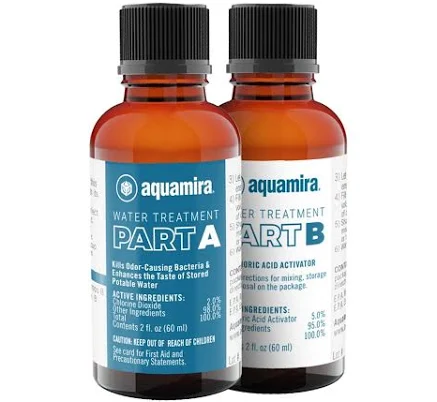
- glass bottles, sodium dichloroisocyanurate treatment chemical
- We found no PFAS statement from the brand
- Chemical overdose or misuse
5 hazards checked on this product, all on its full breakdown.
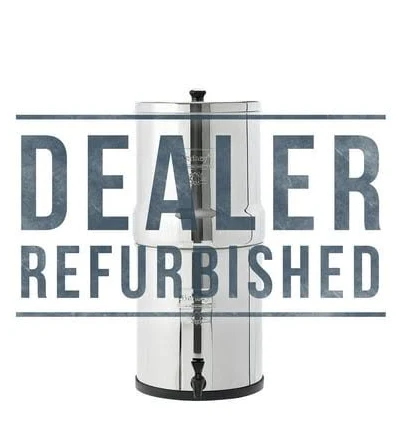
- Stainless steel housing and spigot
- We found no PFAS statement from the brand
- Bacterial growth and biofilm if filters not replaced
5 hazards checked on this product, all on its full breakdown.
- Borosilicate glass pitcher, replaceable activated-carbon filter cartridge
- Bacterial growth in filter cartridge if unmaintained
5 hazards checked on this product, all on its full breakdown.
More water filters grades
How we score, every product runs through the same public 0-100 rubric based on materials, coatings, brand disclosure, lab findings, and recalls. See the full methodology → Spotted a mistake? Report an error.