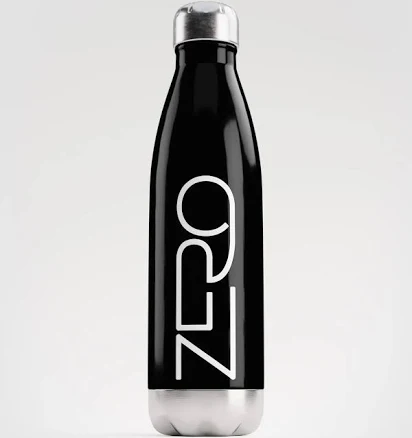
ZERO Water Bottle
No coating of concern recorded, and no PFAS statement from the brand.
The brand has published no PFAS statement for this product that we could find.
We flunk more products than we pass. This one earned its grade. How we grade
Material
Ion-exchange resin filter cartridges, BPA-free plastic pitcher
Lab data
No public lab test
You may also be interested in
Top-graded picks in the categories readers replace first, every one scored on the same rubric.

- polypropylene filter housing, carbon/sediment cartridge
- We found no PFAS statement from the brand
- Bacterial growth in spent cartridges
3 hazards checked on this product, all on its full breakdown.

Aquasure
Premier Series 75 GPD Under Sink Reverse Osmosis Water Filtration System
- RO membrane, carbon filters, stainless steel housing
- We found no PFAS statement from the brand
- Bacterial and microbial growth in housing and filters
4 hazards checked on this product, all on its full breakdown.

Avocado
Vegan Mattress
- organic cotton, natural latex, coconut coir, recycled steel coils
- The brand calls it PFAS-free, which we have not verified
- Heavy metals
2 hazards checked on this product, all on its full breakdown.
What ZERO Water Bottle is made of, ingredients and materials
ZeroWater pitchers use BPA-free plastic housing (typically polypropylene or similar food-grade resin) paired with ion-exchange resin cartridges that remove dissolved solids and some contaminants. Ion-exchange resins themselves are inert when used as intended and do not leach into water under normal conditions. The plastic pitcher is not heated during use, eliminating the primary risk vector for leaching from food-contact polymers.
What’s concerning
No PFAS disclosure
No public statement from the brand about PFAS in this product.
Bacterial growth (filter cartridge)
If ion-exchange cartridges are not replaced when saturated, the resin matrix can harbor bacteria in standing water. Regular cartridge replacement as directed prevents this; ZeroWater's indicator system is designed to prompt timely changes.
Housing seal degradation
Rubber gaskets and seals in pitcher-filter assemblies can degrade over months of use, particularly if exposed to heat or dishwashing. Inspect seals annually and replace the pitcher if leaking occurs around the cartridge interface.
Mineral scale and clogging
In very hard water areas, mineral buildup can clog the filter sooner than the indicator suggests. Periodic rinsing of the pitcher interior and awareness of water hardness help manage this; it is not a safety hazard but affects performance.
What’s reassuring
Base material not linked to PFAS
The main material recorded for this product is not one associated with PFAS.
Plastic leachates (pitcher housing)
BPA-free polypropylene or similar food-grade plastic used in the pitcher is not heated during normal use and poses no documented leaching risk at room temperature. No phthalates or other plasticizers of concern have been flagged for this product.
Ion-exchange resin leaching
Ion-exchange resins do not dissolve or leach into water when functioning properly and are approved for potable water use. No contamination of filtered water by resin particles has been reported for intact cartridges.
How is this PFAS grade calculated?
The brand's record and disclosure
ZeroWater has not published a formal PFAS stance or third-party certification (NSF, WQA) on their marketing materials as of public records. The pitcher material and filter cartridge composition do not carry known PFAS coatings or intentional PFAS additives based on product documentation. No recalls or safety controversies have been established for this product line in consumer databases.
How it compares in its category
Pitcher filters like ZeroWater rely on ion-exchange and activated carbon rather than membrane filtration, making them simpler mechanically but requiring more frequent cartridge changes (typically every 25-40 gallons depending on water hardness). Compared to gravity-fed filters or faucet mounts, pitchers avoid installation complexity and seal-dependent failures, though they require active user maintenance.
If you buy it
Replace filter cartridges on schedule (when the total dissolved solids indicator signals full saturation) to prevent bacterial growth in exhausted resin and stagnant water. Store the pitcher in a cool place away from direct sunlight; do not expose it to heat or leave filled water sitting for extended periods without use. Rinse the pitcher housing periodically with tap water and dry thoroughly to minimize mold or algae on surfaces.
What is not known about PFAS in this product?
- Basis
- Model estimate, 72% confidence, not a lab result
- Lab test
- None on record for this exact product
- Brand statement
- ZeroWater has made a specific claim
Formulations change between production runs, so check the current label. How we grade.
What are the PFAS-free alternatives to ZERO Water Bottle?
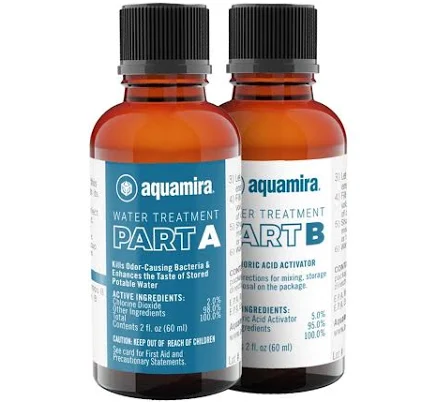
- glass bottles, sodium dichloroisocyanurate treatment chemical
- We found no PFAS statement from the brand
- Chemical overdose or misuse
5 hazards checked on this product, all on its full breakdown.
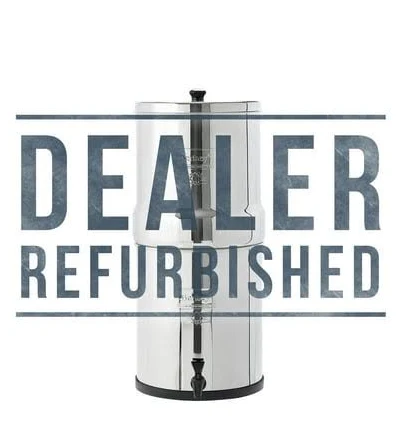
- Stainless steel housing and spigot
- We found no PFAS statement from the brand
- Bacterial growth and biofilm if filters not replaced
5 hazards checked on this product, all on its full breakdown.
- Borosilicate glass pitcher, replaceable activated-carbon filter cartridge
- Bacterial growth in filter cartridge if unmaintained
5 hazards checked on this product, all on its full breakdown.
More water filters grades
How we score, every product runs through the same public 0-100 rubric based on materials, coatings, brand disclosure, lab findings, and recalls. See the full methodology → Spotted a mistake? Report an error.