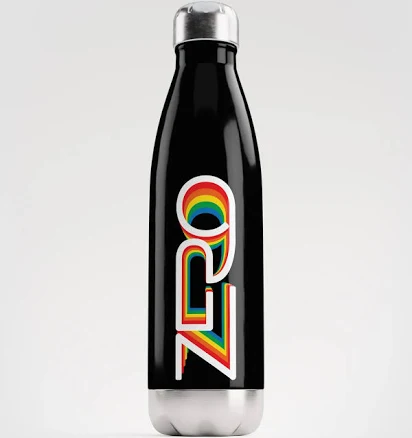
ZERO Water Bottle Colors
Lower concern for the bottle itself; filter composition warrants inquiry before purchase.
ZeroWater's colored bottles are primarily plastic containers without known PFAS-risk coatings but the brand discloses nothing about the chemical composition of its proprietary ion-exchange resin cartridges. No third-party lab testing or PFAS claims are available in public sources.
We flunk more products than we pass. This one earned its grade. How we grade
Material
Plastic bottle body; ion-exchange resin filter cartridge
Lab data
No public lab test
You may also be interested in
Top-graded picks in the categories readers replace first, every one scored on the same rubric.

- polypropylene filter housing, carbon/sediment cartridge
- We found no PFAS statement from the brand
- Bacterial growth in spent cartridges
3 hazards checked on this product, all on its full breakdown.

Aquasure
Premier Series 75 GPD Under Sink Reverse Osmosis Water Filtration System
- RO membrane, carbon filters, stainless steel housing
- We found no PFAS statement from the brand
- Bacterial and microbial growth in housing and filters
4 hazards checked on this product, all on its full breakdown.

Avocado
Vegan Mattress
- organic cotton, natural latex, coconut coir, recycled steel coils
- The brand calls it PFAS-free, which we have not verified
- Heavy metals
2 hazards checked on this product, all on its full breakdown.
What ZERO Water Bottle Colors is made of, ingredients and materials
ZeroWater bottles use food-grade plastic (typically polypropylene or similar) for the bottle body, which does not contain BPA or BPS in current formulations. The filter cartridge contains ion-exchange resin beads that strip dissolved solids and some contaminants from tap water. The plastic-resin interface is a sealed chamber, minimizing leaching of resin particles into drinking water under normal use. Color additives in the plastic are typically non-toxic pigments; no lead or cadmium has been documented in these products.
What’s concerning
No PFAS disclosure
No public statement from the brand about PFAS in this product.
Microplastics
Ion-exchange resin beads can shed small particles if the filter housing cracks or if the cartridge is not properly sealed. No confirmed incidents in ZeroWater bottles, but resin shedding is a known risk in similar filter systems if maintenance is neglected.
Source, EPA ↗Bacterial growth in filter
Filters left in use beyond their replacement window can harbor bacteria and mold, especially in warm environments. This is a maintenance issue, not a product defect, but ZeroWater does not prominently warn users about symptom signs (discolored water, odor) that indicate cartridge failure.
What’s reassuring
Base material not linked to PFAS
The main material recorded for this product is not one associated with PFAS.
BPA & bisphenols
Current ZeroWater bottles are stated to be BPA-free by the brand and no independent testing has reported BPA or BPS leaching. Risk is minimal at normal storage temperatures and pH.
Source, FDA ↗Ion-exchange resin toxicity
Food-grade ion-exchange resins are non-toxic when properly encapsulated. No documented cases of resin leaching into water from ZeroWater bottles, and the sealed cartridge design minimizes direct contact between resin and drinking water.
Color additive safety
Pigments used in colored bottle bodies are typically non-toxic organic or inorganic compounds; no heavy metals (lead, cadmium, antimony) have been documented in standard product testing or recalls for this brand.
How is this PFAS grade calculated?
The brand's record and disclosure
ZeroWater has not released detailed safety disclosures on material composition, manufacturing standards, or third-party testing beyond marketing claims of filtration performance. No major safety recalls or contamination incidents are on record for the bottle or filter housing. The brand does not prominently advertise certification by NSF, FDA, or similar bodies, which limits independent verification of material safety claims. Transparency on filter cartridge sourcing and resin composition is minimal.
How it compares in its category
Filtered water bottles vary widely; ZeroWater occupies the mid-to-premium segment with replaceable ion-exchange cartridges. Competitor bottles (Brita, Aqua, store brands) typically use similar plastic and activated carbon or resin filters with comparable safety profiles. ZeroWater's cartridge replacement cost is higher than some alternatives, which may encourage proper maintenance but also create incentive to extend filter life beyond recommended intervals. Most filtered bottles in this category have no documented microplastic or leaching issues when cartridges are replaced on schedule.
If you buy it
Replace the filter cartridge every 40 gallons or 2 months, whichever comes first, to avoid bacterial overgrowth in exhausted resin and degraded filtration. Do not expose the bottle to sustained heat above 140F (60C) or direct sunlight for extended periods, as plastic may soften and alter leaching behavior. Inspect the bottle body for cracks or cloudiness; discard if visible damage occurs. Rinse the filter chamber with tap water before inserting a new cartridge to remove resin dust.
What is not known about PFAS in this product?
- Basis
- Model estimate, 72% confidence, not a lab result
- Lab test
- None on record for this exact product
- Brand statement
- ZeroWater has made a specific claim
Formulations change between production runs, so check the current label. How we grade.
What are the PFAS-free alternatives to ZERO Water Bottle Colors?
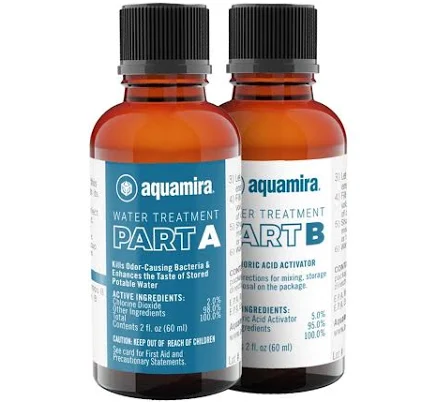
- glass bottles, sodium dichloroisocyanurate treatment chemical
- We found no PFAS statement from the brand
- Chemical overdose or misuse
5 hazards checked on this product, all on its full breakdown.
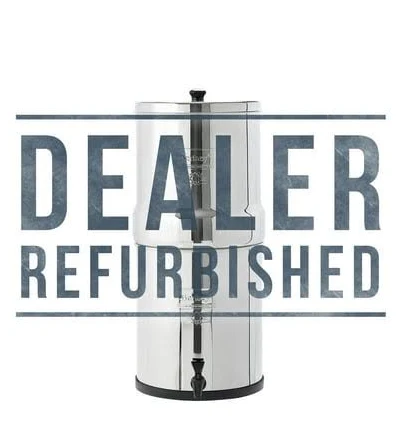
- Stainless steel housing and spigot
- We found no PFAS statement from the brand
- Bacterial growth and biofilm if filters not replaced
5 hazards checked on this product, all on its full breakdown.
- Borosilicate glass pitcher, replaceable activated-carbon filter cartridge
- Bacterial growth in filter cartridge if unmaintained
5 hazards checked on this product, all on its full breakdown.
More water filters grades
How we score, every product runs through the same public 0-100 rubric based on materials, coatings, brand disclosure, lab findings, and recalls. See the full methodology → Spotted a mistake? Report an error.