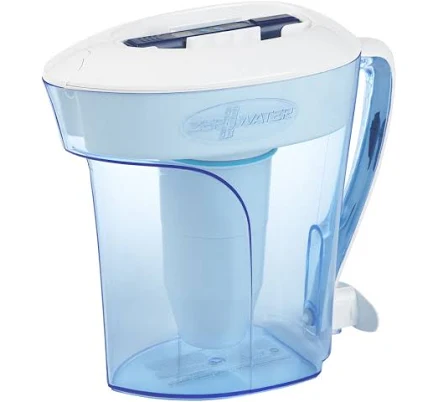
ZeroWater 10 Cup Water Pitcher
Lower concern for typical use; no PFAS disclosures available.
ZeroWater pitchers use ion-exchange resin filters and plastic housing. No public PFAS claims or certifications; standard consumer water pitcher with no known PFAS concerns, though manufacturer makes no explicit disclosures.
We flunk more products than we pass. This one earned its grade. How we grade
Material
Plastic pitcher housing, ion-exchange resin cartridge filter
Lab data
No public lab test
You may also be interested in
Top-graded picks in the categories readers replace first, every one scored on the same rubric.

- polypropylene filter housing, carbon/sediment cartridge
- We found no PFAS statement from the brand
- Bacterial growth in spent cartridges
3 hazards checked on this product, all on its full breakdown.

Aquasure
Premier Series 75 GPD Under Sink Reverse Osmosis Water Filtration System
- RO membrane, carbon filters, stainless steel housing
- We found no PFAS statement from the brand
- Bacterial and microbial growth in housing and filters
4 hazards checked on this product, all on its full breakdown.

Avocado
Vegan Mattress
- organic cotton, natural latex, coconut coir, recycled steel coils
- The brand calls it PFAS-free, which we have not verified
- Heavy metals
2 hazards checked on this product, all on its full breakdown.
What ZeroWater 10 Cup Water Pitcher is made of, ingredients and materials
The ZeroWater 10-cup pitcher uses a polystyrene or similar rigid plastic housing with an ion-exchange resin cartridge filter. The plastic itself is not typically a source of hazardous leaching when used at room temperature for cold water storage. Ion-exchange resins are food-contact approved but require proper maintenance to prevent colonization by bacteria or mold in wet conditions. The cartridge is replaced regularly, limiting long-term resin degradation exposure.
What’s concerning
No PFAS disclosure
No public statement from the brand about PFAS in this product.
Bacterial and mold growth in filter cartridge
Ion-exchange resin filters provide a moist environment that can support microbial colonization if cartridges are not replaced on schedule or if standing water sits longer than a few days. No recall data for ZeroWater specifically, but this is a known risk class for all pitcher-type filters.
Ion-exchange resin degradation and microparticulate release
Over time, resin beads can fragment or crack, especially if cartridges are not replaced regularly or pitcher is roughly handled. Ingestion of small resin particles is unlikely to cause acute harm but is not ideal. Cartridge replacement every 40 gallons minimizes this risk.
What’s reassuring
Base material not linked to PFAS
The main material recorded for this product is not one associated with PFAS.
BPA & bisphenols
The polystyrene or rigid plastic used in the pitcher housing is not typically formulated with BPA or phthalates at room temperature. No published test data or recalls indicate leaching of endocrine disruptors from this product. Risk rises only if pitcher is heated, filled with hot water, or left in direct sunlight for extended periods.
Source, FDA ↗Housing material toxicity from manufacturing additives
No public complaints, recalls, or third-party testing data indicate that the plastic formulation contains heavy metals, toxic colorants, or harmful flame retardants. Polystyrene used in food-contact plastics is subject to FDA oversight, but ZeroWater does not disclose detailed material composition.
How is this PFAS grade calculated?
The brand's record and disclosure
ZeroWater does not publicly disclose PFAS testing or removal claims on this pitcher model, despite PFAS awareness in the water-filtration industry. The brand has no major product recalls related to chemical leaching or bacterial contamination on record. NSF certification for the pitcher is not consistently claimed; some ZeroWater products carry NSF/ANSI 42 certification for taste and odor reduction, but this specific model's third-party validation is unclear from public sources.
How it compares in its category
Pitcher filters like ZeroWater sit in the entry-level category and require frequent cartridge replacement (every 40 gallons, roughly monthly for typical use), which is more frequent than under-sink systems but comparable to other consumer pitchers. ZeroWater's ion-exchange approach removes minerals but does not claim activated-carbon filtration for volatile compounds or pharmaceutical residues. It performs similarly to Brita and PUR on cost and maintenance, with comparable bacterial-growth risk if cartridges are not swapped on schedule.
If you buy it
Replace the cartridge every 40 gallons or monthly, whichever comes first, to avoid bacterial buildup in the spent resin. Do not leave standing water in the pitcher for more than a few days; empty and rinse between refills. Store the pitcher away from direct sunlight and heat sources, as this does not alter the plastic chemistry but prevents algae growth and moisture stagnation. Rinse the pitcher housing weekly with hot water and mild soap; do not soak plastic components in bleach.
What is not known about PFAS in this product?
- Basis
- Model estimate, 72% confidence, not a lab result
- Lab test
- None on record for this exact product
- Brand statement
- ZeroWater has made a specific claim
Formulations change between production runs, so check the current label. How we grade.
What are the PFAS-free alternatives to ZeroWater 10 Cup Water Pitcher?
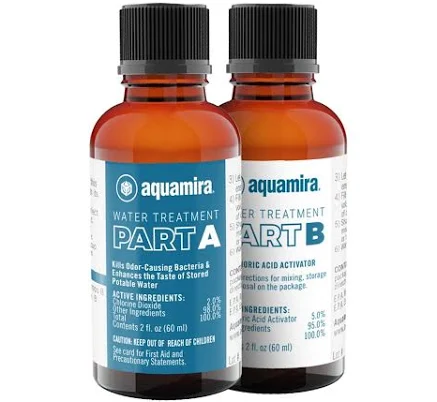
- glass bottles, sodium dichloroisocyanurate treatment chemical
- We found no PFAS statement from the brand
- Chemical overdose or misuse
5 hazards checked on this product, all on its full breakdown.
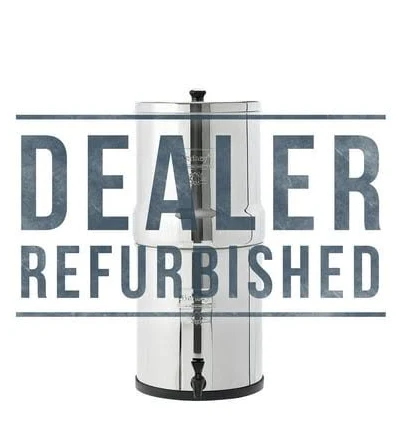
- Stainless steel housing and spigot
- We found no PFAS statement from the brand
- Bacterial growth and biofilm if filters not replaced
5 hazards checked on this product, all on its full breakdown.
- Borosilicate glass pitcher, replaceable activated-carbon filter cartridge
- Bacterial growth in filter cartridge if unmaintained
5 hazards checked on this product, all on its full breakdown.
More water filters grades
How we score, every product runs through the same public 0-100 rubric based on materials, coatings, brand disclosure, lab findings, and recalls. See the full methodology → Spotted a mistake? Report an error.