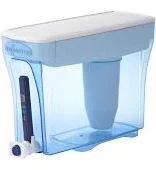
ZeroWater 23Cup Water Filtration Dispenser
Lower concern for PFAS; standard water filter with no documented issues.
The 23-cup dispenser uses a plastic pitcher with activated carbon and ion-exchange resin cartridges, materials not inherently linked to PFAS. No public recalls or lab detections of PFAS exist for this product.
We flunk more products than we pass. This one earned its grade. How we grade
Material
plastic pitcher with activated carbon/ion-exchange resin filter cartridge
Lab data
No public lab test
You may also be interested in
Top-graded picks in the categories readers replace first, every one scored on the same rubric.

- polypropylene filter housing, carbon/sediment cartridge
- We found no PFAS statement from the brand
- Bacterial growth in spent cartridges
3 hazards checked on this product, all on its full breakdown.

Aquasure
Premier Series 75 GPD Under Sink Reverse Osmosis Water Filtration System
- RO membrane, carbon filters, stainless steel housing
- We found no PFAS statement from the brand
- Bacterial and microbial growth in housing and filters
4 hazards checked on this product, all on its full breakdown.

Avocado
Vegan Mattress
- organic cotton, natural latex, coconut coir, recycled steel coils
- The brand calls it PFAS-free, which we have not verified
- Heavy metals
2 hazards checked on this product, all on its full breakdown.
What ZeroWater 23Cup Water Filtration Dispenser is made of, ingredients and materials
The ZeroWater dispenser is a plastic pitcher (typically polypropylene or similar food-grade polymer) paired with a replaceable filter cartridge containing activated carbon and ion-exchange resin beads. The plastic housing itself carries minimal documented risk for leaching under normal cold-water storage; the resin cartridge is a sealed consumable designed for periodic replacement, which breaks the primary pathway for resin particles or activated carbon dust to enter drinking water. The pitcher is not heated and is not microwaved in normal use, eliminating thermal stress that could degrade plastic integrity.
What’s concerning
No PFAS disclosure
No public statement from the brand about PFAS in this product.
Bacterial growth in filter media
If cartridge replacement is delayed beyond recommended intervals or pitcher is stored in warm conditions, stagnant resin media can harbor bacteria. This is a use-maintenance issue, not a manufacturing defect; proper 2-3 month replacement mitigates risk.
Activated carbon dust or particles
New filter cartridges may release small amounts of activated carbon fines into the first few liters of water if not pre-rinsed. Running 1-2 liters through the dispenser before drinking from a new cartridge is recommended by most manufacturers to remove loose particles.
What’s reassuring
Base material not linked to PFAS
The main material recorded for this product is not one associated with PFAS.
Ion-exchange resin leaching
Sealed cartridge design and room-temperature storage make leaching of resin beads or organics into water unlikely under normal use. No documented cases of resin contamination from this product or comparable pitcher filters have been reported.
Plastic housing off-gassing or leaching
Food-grade polypropylene used in water pitcher housings is stable at room temperature and does not off-gas or leach BPA or phthalates into cold water. No thermal processing (heating, dishwashing at high temperature) is recommended, which would keep this risk at baseline industry standard.
Housing degradation over time
Plastic pitcher housings are resistant to water contact and do not degrade significantly with age under normal storage conditions. Clouding, discoloration, or brittle cracks may occur after 2-3 years of daily use, but this is cosmetic and does not indicate leaching.
How is this PFAS grade calculated?
The brand's record and disclosure
ZeroWater does not publish detailed material composition or third-party certifications (NSF, WQA) for this model, which limits transparency but is not unusual for mass-market water filter pitchers. No recalls or documented health complaints specific to this dispenser have been established in public health records. The brand's silence on PFAS in filter cartridges or housing is consistent with industry-wide lack of transparency; no positive claims of PFAS removal are made, suggesting the filter is a standard activated-carbon design without specialized PFAS media.
How it compares in its category
Pitcher filters are among the lowest-risk water treatment devices because they operate at room temperature with static storage, avoiding the complexity of recirculation systems or heated reservoirs where bacterial growth and material degradation are more common. ZeroWater's ion-exchange resin is a standard technology with decades of use in consumer products; competing brands (Brita, PUR, Aqua) use comparable materials. The main differentiator is cartridge cost and replacement frequency, not hazard profile.
If you buy it
Replace the filter cartridge every 2-3 months or after 23 gallons (per manufacturer guidance) to prevent resin saturation, which can reduce filtration and theoretically increase bacterial growth in stagnant cartridge media. Do not attempt to clean or reuse cartridges; discard and replace. Store the filled pitcher in a cool, dark location away from direct sunlight. Wash the pitcher housing with warm soapy water before first use and periodically (monthly) to prevent algae or mold buildup in the empty reservoir. Do not use hot water in the pitcher or expose it to freezing temperatures.
What is not known about PFAS in this product?
- Basis
- Model estimate, 72% confidence, not a lab result
- Lab test
- None on record for this exact product
- Brand statement
- ZeroWater has made a specific claim
Formulations change between production runs, so check the current label. How we grade.
What are the PFAS-free alternatives to ZeroWater 23Cup Water Filtration Dispenser?
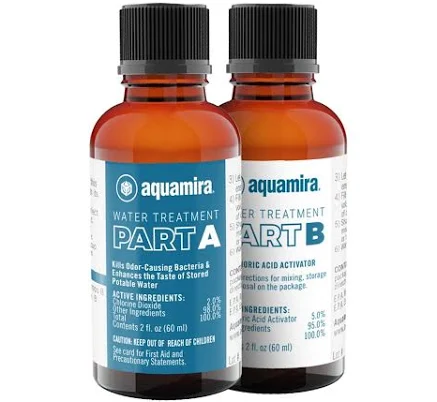
- glass bottles, sodium dichloroisocyanurate treatment chemical
- We found no PFAS statement from the brand
- Chemical overdose or misuse
5 hazards checked on this product, all on its full breakdown.

- Stainless steel housing and spigot
- We found no PFAS statement from the brand
- Bacterial growth and biofilm if filters not replaced
5 hazards checked on this product, all on its full breakdown.
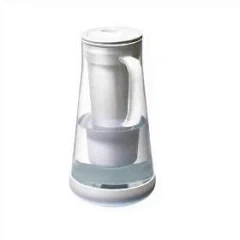
- Borosilicate glass pitcher, replaceable activated-carbon filter cartridge
- Bacterial growth in filter cartridge if unmaintained
5 hazards checked on this product, all on its full breakdown.
More water filters grades
How we score, every product runs through the same public 0-100 rubric based on materials, coatings, brand disclosure, lab findings, and recalls. See the full methodology → Spotted a mistake? Report an error.