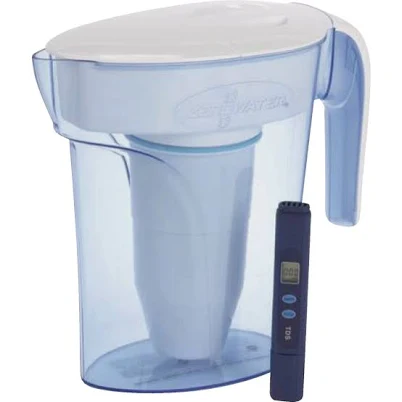
ZeroWater 7 Cup Ready-Pour Water Filteration Pitcher
Lower concern for pitcher itself; filter media composition not disclosed.
ZeroWater pitchers use plastic housing and proprietary filter cartridges with activated carbon and resins. No PFAS claims or third-party testing disclosed; filter cartridge composition remains proprietary.
We flunk more products than we pass. This one earned its grade. How we grade
Material
plastic pitcher, activated carbon and ion exchange filter media
Lab data
No public lab test
You may also be interested in
Top-graded picks in the categories readers replace first, every one scored on the same rubric.

- polypropylene filter housing, carbon/sediment cartridge
- We found no PFAS statement from the brand
- Bacterial growth in spent cartridges
3 hazards checked on this product, all on its full breakdown.

Aquasure
Premier Series 75 GPD Under Sink Reverse Osmosis Water Filtration System
- RO membrane, carbon filters, stainless steel housing
- We found no PFAS statement from the brand
- Bacterial and microbial growth in housing and filters
4 hazards checked on this product, all on its full breakdown.

Avocado
Vegan Mattress
- organic cotton, natural latex, coconut coir, recycled steel coils
- The brand calls it PFAS-free, which we have not verified
- Heavy metals
2 hazards checked on this product, all on its full breakdown.
What ZeroWater 7 Cup Ready-Pour Water Pitcher is made of, ingredients and materials
The ZeroWater 7-cup pitcher body is polypropylene (PP) or similar food-grade plastic housing designed to hold water at room temperature. The filter cartridge contains granular activated carbon and ion exchange resin beads that trap dissolved solids and some contaminants. Polypropylene is chemically stable in cold water and does not leach BPA or phthalates under normal use, though the resin media composition is proprietary and not fully disclosed by the manufacturer.
What’s concerning
No PFAS disclosure
No public statement from the brand about PFAS in this product.
Bacterial growth in filter media if unmaintained
Activated carbon and ion exchange resin can harbor bacteria if filters are not replaced on schedule or if the pitcher sits stagnant. ZeroWater recommends filter changes every 20-40 gallons; exceeding this window increases contamination risk.
Plastic housing degradation under heat or UV
Polypropylene housing can soften or warp if exposed to temperatures above 120F or prolonged direct sunlight. Microplastics leaching is unlikely at room temperature but cannot be ruled out if the pitcher is damaged or discolored.
Filter media composition opacity
ZeroWater does not publicly disclose the source or full chemical breakdown of activated carbon or resin beads, making it impossible to independently verify absence of contaminants or residual manufacturing chemicals in the filter.
What’s reassuring
Base material not linked to PFAS
The main material recorded for this product is not one associated with PFAS.
Ion exchange resin durability and integrity
No reported cases of resin bead fragmentation or leaching into filtered water in normal use, though long-term degradation is not independently tested or documented by the brand.
How is this PFAS grade calculated?
The brand's record and disclosure
ZeroWater publishes third-party testing results for filtered water quality (TDS reduction) but does not voluntarily disclose the full chemical composition of filter media or housing materials. The company has not faced major product recalls or public safety controversies on record. Their transparency on PFAS removal claims varies by marketing channel, and they do not explicitly address whether their ion exchange resin or activated carbon sources contain PFAS.
How it compares in its category
ZeroWater pitchers are more affordable than many ceramic-filter or metal-body alternatives and avoid metal leaching risks present in unlined stainless steel or copper designs. They are comparable to Brita and PUR in plastic-pitcher safety profiles, though ZeroWater emphasizes TDS reduction rather than specific contaminant reduction. Filter replacement frequency is higher than some competitors, which increases long-term cost and plastic waste.
If you buy it
Replace filters every 20-40 gallons (follow the included indicator or manufacturer guidance) to prevent bacterial growth in the cartridge and ensure filtration efficacy. Do not expose the pitcher to direct sunlight or heat above 120F, and avoid boiling water in it, as polypropylene can warp. Rinse the pitcher and housing weekly and allow air drying between uses to minimize mold or biofilm in the reservoir. Store filters in a cool, dry place and discard old cartridges rather than leaving them unused in the pitcher.
What is not known about PFAS in this product?
- Basis
- Model estimate, 60% confidence, not a lab result
- Lab test
- None on record for this exact product
- Brand statement
- ZeroWater has made a specific claim
Formulations change between production runs, so check the current label. How we grade.
What are the PFAS-free alternatives to ZeroWater 7 Cup Ready-Pour Water Filteration Pitcher?
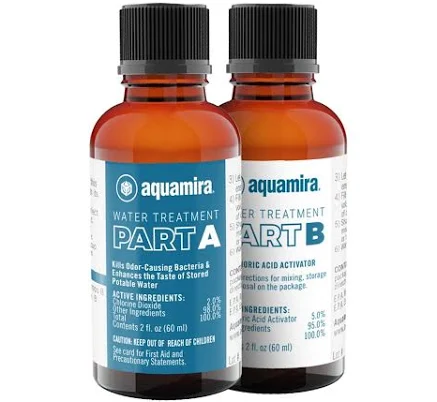
- glass bottles, sodium dichloroisocyanurate treatment chemical
- We found no PFAS statement from the brand
- Chemical overdose or misuse
5 hazards checked on this product, all on its full breakdown.
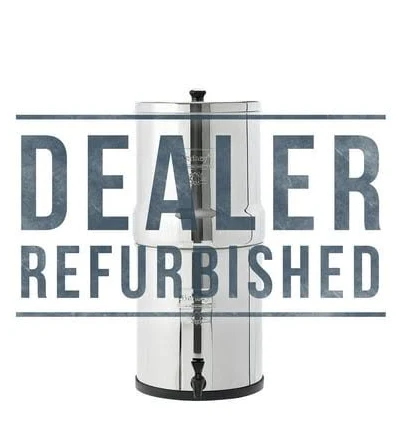
- Stainless steel housing and spigot
- We found no PFAS statement from the brand
- Bacterial growth and biofilm if filters not replaced
5 hazards checked on this product, all on its full breakdown.
- Borosilicate glass pitcher, replaceable activated-carbon filter cartridge
- Bacterial growth in filter cartridge if unmaintained
5 hazards checked on this product, all on its full breakdown.
More water filters grades
How we score, every product runs through the same public 0-100 rubric based on materials, coatings, brand disclosure, lab findings, and recalls. See the full methodology → Spotted a mistake? Report an error.