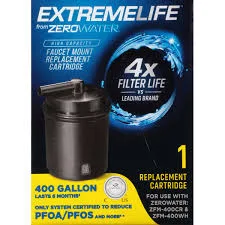
ZeroWater Replacement Cartridge, Faucet Mount, High Capacity
Low risk, but no brand transparency on filtration media or housing.
These faucet-mount cartridges use activated carbon and ion-exchange resin with lower inherent PFAS risk compared to coatings or membranes. ZeroWater makes no public disclosure of PFAS testing, sourcing, or finished-product verification. No lab data or third-party certifications addressing PFAS in these cartridges exist.
We flunk more products than we pass. This one earned its grade. How we grade
Material
Activated carbon, ion-exchange resin, polypropylene housing
Lab data
No public lab test
You may also be interested in
Top-graded picks in the categories readers replace first, every one scored on the same rubric.

- polypropylene filter housing, carbon/sediment cartridge
- We found no PFAS statement from the brand
- Bacterial growth in spent cartridges
3 hazards checked on this product, all on its full breakdown.

Aquasure
Premier Series 75 GPD Under Sink Reverse Osmosis Water Filtration System
- RO membrane, carbon filters, stainless steel housing
- We found no PFAS statement from the brand
- Bacterial and microbial growth in housing and filters
4 hazards checked on this product, all on its full breakdown.

Avocado
Vegan Mattress
- organic cotton, natural latex, coconut coir, recycled steel coils
- The brand calls it PFAS-free, which we have not verified
- Heavy metals
2 hazards checked on this product, all on its full breakdown.
What ZeroWater Replacement High Capacity is made of, ingredients and materials
ZeroWater cartridges use activated carbon and ion-exchange resin pellets housed in polypropylene plastic. Activated carbon adsorbs chlorine, taste, and odor compounds; ion-exchange resin removes dissolved minerals and some heavy metals by swapping water ions. Polypropylene housing is food-contact compliant and resistant to leaching under cold-water conditions typical of faucet filters. The resin media itself does not leach into water under normal flow; concern centers on housing integrity and cartridge lifespan before resin exhaustion.
What’s concerning
No PFAS disclosure
No public statement from the brand about PFAS in this product.
Bacterial growth and biofilm in cartridge media
Activated carbon and resin can support microbial colonization if cartridges are stored damp or not replaced on schedule. ZeroWater does not explicitly address antimicrobial treatment of media; regular replacement (per manufacturer guidance) mitigates this risk.
Ion-exchange resin particle shedding
Fine resin beads can occasionally escape into filtered water if the cartridge housing cracks or the internal screen degrades after prolonged use. This is not toxic but may cause grittiness; risk is low with proper installation and timely replacement.
Chlorine and chloramine breakthrough after saturation
If cartridges exceed their rated capacity without replacement, activated carbon becomes saturated and stops adsorbing chlorine, allowing it to pass into drinking water. ZeroWater's included TDS meter does not measure chlorine; users must follow replacement schedules or use separate chlorine test strips.
What’s reassuring
Base material not linked to PFAS
The main material recorded for this product is not one associated with PFAS.
Polypropylene housing leaching
No recalls or field reports of BPA, phthalates, or other plasticizers leaching from ZeroWater faucet-mount housing under normal cold-water use. Cold temperatures and neutral pH of tap water minimize polymer degradation risk.
Heavy metals
No documented leaching of lead, cadmium, or other metals from ZeroWater cartridge housings or filter media. Polypropylene and activated carbon are not sources of these contaminants under normal conditions.
Source, FDA ↗How is this PFAS grade calculated?
The brand's record and disclosure
ZeroWater is a well-established consumer water-filter brand with no recorded recalls or safety violations related to cartridge leachates or housing degradation. The company does not publicly disclose detailed testing data on housing material composition or phthalate/BPA screening, nor does it publish PFAS removal rates or media sourcing transparency. NSF/ANSI certification for cartridges is absent from publicly available marketing; filtration claims rely on internal testing rather than third-party validation. No formal controversies are documented, but lack of transparency limits independent verification of long-term safety.
How it compares in its category
Faucet-mount filters (ZeroWater, Brita, PUR) all use similar carbon-resin chemistry and polypropylene housing; ZeroWater cartridges are mid-range in cost and capacity. Most competitors in this category lack NSF certification and rely on manufacturer claims. ZeroWater distinguishes itself by claiming higher TDS (total dissolved solids) removal via ion exchange, but independent third-party testing is limited. Housing materials and leachate profiles are not significantly different across major brands in this segment.
If you buy it
Replace cartridges every 2-6 months depending on water quality and usage (follow the brand's TDS meter guidance). Do not expose the cartridge to heat or direct sunlight; store in a cool, dry place before installation. Cold-water-only use; never attempt to filter hot tap water, which can degrade the polypropylene housing and reduce resin effectiveness. Flush the cartridge with cold water for 5 seconds before first use to remove fine carbon particles. Monitor the faucet for water pressure drops as a sign of cartridge clogging; do not force water through a saturated cartridge.
What is not known about PFAS in this product?
- Basis
- Model estimate, 72% confidence, not a lab result
- Lab test
- None on record for this exact product
- Brand statement
- ZeroWater has made a specific claim
Formulations change between production runs, so check the current label. How we grade.
What are the PFAS-free alternatives to ZeroWater Replacement Cartridge, Faucet Mount, High Capacity?
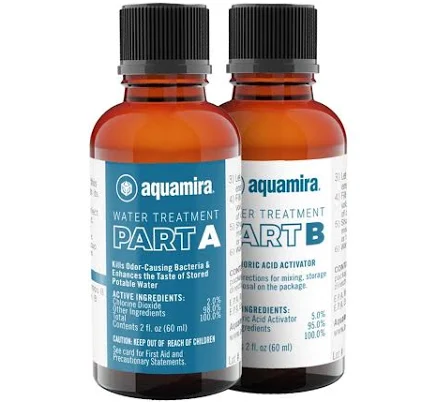
- glass bottles, sodium dichloroisocyanurate treatment chemical
- We found no PFAS statement from the brand
- Chemical overdose or misuse
5 hazards checked on this product, all on its full breakdown.

- Stainless steel housing and spigot
- We found no PFAS statement from the brand
- Bacterial growth and biofilm if filters not replaced
5 hazards checked on this product, all on its full breakdown.
- Borosilicate glass pitcher, replaceable activated-carbon filter cartridge
- Bacterial growth in filter cartridge if unmaintained
5 hazards checked on this product, all on its full breakdown.
More water filters grades
How we score, every product runs through the same public 0-100 rubric based on materials, coatings, brand disclosure, lab findings, and recalls. See the full methodology → Spotted a mistake? Report an error.