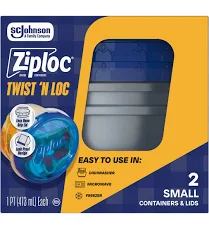
Ziploc Twist 'N Loc Medium Containers & Lids
Lower concern food container; standard plastic. No PFAS disclosure from brand.
Ziploc Twist 'n Loc containers are polypropylene, a common plastic without inherent PFAS. The brand discloses no PFAS treatment or coating, reducing typical concern for food storage containers.
We flunk more products than we pass. This one earned its grade. How we grade
Material
polypropylene plastic container and lid
Brand disclosure
Brand is silent on PFAS
Lab data
No public lab test
What Ziploc Twist 'N Loc Medium Containers is made of, ingredients and materials
Ziploc Twist 'N Loc containers are injection-molded polypropylene (PP), a thermoplastic with a melting point around 130°C. PP does not contain BPA, BPS, or phthalates as a baseline formulation. The plastic is stable at room temperature and moderate cold storage; concerns arise primarily when heated above its design limits or exposed to certain solvents. The lids use the same PP material, which is a lower-concern food-contact plastic compared to polycarbonate or older polystyrene.
What’s concerning
Category baseline
The starting point for this type of product, before anything specific to this product is counted.
No PFAS disclosure
No public statement from the brand about PFAS in this product.
Microplastics
If microwaved or heated above ~100°C, polypropylene can release short-chain oligomers into food. Ziploc labels do not recommend microwave use for these containers; users heating them risk low-level polymer leaching but no acute toxicity is established.
Source, EPA ↗Mold or bacterial growth if sealed improperly
Twist 'N Loc lids rely on mechanical sealing; if not fully locked or if residual moisture is trapped, mold can develop inside. This is a storage practice issue, not a material hazard, and is preventable with proper use.
What’s reassuring
Base material not linked to PFAS
The main material recorded for this product is not one associated with PFAS.
BPA & bisphenols
Polypropylene formulations do not include BPA or BPS as standard additives. No reports of BPA or BPS contamination in Ziploc Twist 'N Loc products.
Source, FDA ↗Phthalate plasticizers
PP does not rely on phthalates for flexibility. Ziploc Twist 'N Loc does not incorporate phthalate plasticizers; none reported in testing or recalls.
Coating or additive degradation over time
No surface coatings (e.g., enamel or lacquer) are applied to PP injection-molded containers. Polymer degradation occurs over years with UV or heat exposure but is cosmetic (cloudiness, brittleness) rather than toxic.
The full breakdown
The brand's record and disclosure
Ziploc (owned by SC Johnson) has not issued specific voluntary PFAS disclosure for this product line, nor has the brand published third-party certifications (e.g., BPA-free seals or NSF) for these containers. SC Johnson maintains general food-safety compliance and FDA registration; no recalls or safety violations are on record for Twist 'N Loc containers. The brand's silence on PFAS is typical for conventional plastic storage containers and does not indicate presence.
How it compares in its category
Twist 'N Loc containers sit in the mainstream mid-tier of disposable and reusable food storage. They are comparable in hazard profile to store-brand PP containers from retailers like Target or Walmart. Glass or stainless-steel alternatives eliminate plastic leaching risk entirely but at higher cost and breakage risk. Polycarbonate or acrylic alternatives (if labeled) carry higher BPA concern and are not typical for this product tier.
If you buy it
Store cold or room-temperature foods only; do not microwave or expose to boiling water or dishwasher heat cycles, as PP softens above 100°C and may leach oligomers under stress. Hand-wash with warm soapy water and air-dry to extend lid seal integrity. Replace containers if the plastic becomes cloudy, cracked, or the hinged lids lose tension; these are signs of polymer degradation. Store away from direct sunlight and strong oils (e.g., citrus peels) to minimize slow leaching risk over months.
What we don’t know
- Basis
- Model estimate, 72% confidence, not a lab result
- Lab test
- None on record for this exact product
- Brand statement
- Ziploc has made none
Formulations change between production runs, so check the current label. How we grade.
Better-graded alternatives in Lunch Boxes
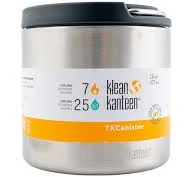
Klean Kanteen
Double Wall Vacuum Insulated Stainless Steel Food Canister Container with Leak Proof Lid
- Stainless steel body, silicone gasket lid seal
- The brand calls it PFAS-free, which we have not verified
- Silicone gasket degradation
3 hazards checked on this product. See all of them.
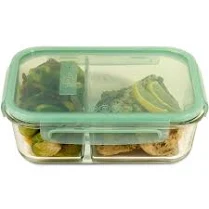
Snapware
Meal Box Glass
- borosilicate glass
- We found no PFAS statement from the brand
- Leaching from glass matrix or lid seals
2 hazards checked on this product. See all of them.
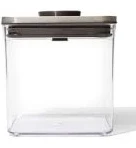
OXO
Steel Pop Big Square Short - 2.8 Qt/2.6 l
- Stainless steel container, no surface treatment
- Lid/gasket polymer leaching
3 hazards checked on this product. See all of them.
More lunch boxes grades
How we score, every product runs through the same public 0-100 rubric based on materials, coatings, brand disclosure, lab findings, and recalls. See the full methodology → Spotted a mistake? Report an error.