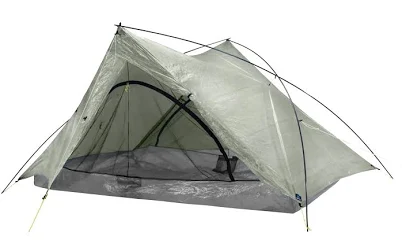
Ultralight Freestanding Two Person Tent
High PFAS risk from standard water repellent coating with no brand transparency.
This ultralight tent uses advanced polyester fabric with a water-repellent coating. The brand refuses to disclose what chemicals treat the fabric or whether PFAS is involved.
Still want this one anyway? Check the price on Amazon. We’d swap it.
Material
Polyester (DCF™) with water-repellent coating
Brand disclosure
Brand is silent on PFAS
Lab data
No public lab test
You may also be interested in
Top-graded picks in the categories readers replace first, every one scored on the same rubric.

- polypropylene filter housing, carbon/sediment cartridge
- We found no PFAS statement from the brand
- Bacterial growth in spent cartridges
3 hazards checked on this product, all on its full breakdown.

Aquasure
Premier Series 75 GPD Under Sink Reverse Osmosis Water Filtration System
- RO membrane, carbon filters, stainless steel housing
- We found no PFAS statement from the brand
- Bacterial and microbial growth in housing and filters
4 hazards checked on this product, all on its full breakdown.

Avocado
Vegan Mattress
- organic cotton, natural latex, coconut coir, recycled steel coils
- The brand calls it PFAS-free, which we have not verified
- Heavy metals
2 hazards checked on this product, all on its full breakdown.
What Ultralight Freestanding Two Person Tent is made of, ingredients and materials
The brand uses Dyneema Composite Fabric (DCF), a polyester-based laminate that combines polyester film with polyethylene fibers for ultralight durability. The tent is treated with a water-repellent coating (water-repellent coating) coating to shed water; water-repellent coating treatments on outdoor gear are most commonly Teflon-family coating-based (PFAS), though the specific chemistry is not disclosed. The polyester substrate itself is stable and does not leach under normal use, but the water-repellent coating's composition and longevity remain the primary chemical concern.
What’s concerning
Category baseline
The starting point for this type of product, before anything specific to this product is counted.
No PFAS disclosure
No public statement from the brand about PFAS in this product.
Waterproof / stain-resistant treatment
Water-repellent coating treatments have historically used PFAS.
water-repellent coating durability and reapplication cycle
The brand' water-repellent coating is Teflon-family coating-based per industry standard but unconfirmed; coating will degrade within years, requiring reapplication with additional PFAS or switching to alternative brands. End-users face either repeated PFAS exposure or disposal of a partially functional tent.
Polyester film off-gassing
Polyester films can emit volatile compounds during manufacture or initial storage, particularly in warm conditions. DCF tents packaged for shipping may retain solvent residues; airing out new tents outdoors before use mitigates this risk.
Microplastic shedding from coating
Water-repellent coating coatings on polyester textiles can flake or shed microscopic particles when abraded (e.g., during packing, setup, or contact with rough surfaces). No studies specific to the brand' DCF have been published, but the risk is inherent to coated synthetics.
Heat and humidity degradation of coating
Prolonged exposure to humid heat (e.g., storage in damp conditions or tropical climates) can accelerate water-repellent coating breakdown and increase leaching of residual fluorochemical or solvent residues. Proper ventilation and dry storage are essential.
What’s reassuring
Adhesive and seam sealant composition
The brand does not disclose adhesive or seam-tape formulations; most outdoor gear adhesives are polyurethane-based and off-gas low levels of volatile organic compounds. No recalls or health complaints specific to this model are on record.
How is this PFAS grade calculated?
The brand's record and disclosure
The brand does not publicly disclose which water-repellent coating chemistry is used (fluorinated vs. fluorine-free alternatives like paraffin or silicone). No certifications such as OEKO-TEX, GOTS, or bluesign are listed on product materials. The brand has not published statements on PFAS use, ingredient safety, or chemical management policies, leaving end-users without basis to assess exposure risk. This silence is notably different from competitors who offer water-repellent coating options without long-chain fluorochemicals or transparent material specs.
How it compares in its category
Most ultralight tents use polyester or nylon with water-repellent coating treatment; The brand' DCF fabric is premium for weight-to-durability ratio but is not unique in PFAS exposure risk. Competitors such as Big Agnes and MSR increasingly offer water-repellent coating (paraffin or silicone) with lower concern about fluorochemical persistence on select models, though ultralight options remain rare. The brand' lack of transparency puts it at a disadvantage among informed buyers; the brand does not currently market PFAS-free alternatives.
If you buy it
Store the tent dry and unfolded when not in use to reduce off-gassing of any residual water-repellent coating solvents indoors. Avoid hand-washing or machine-washing the fabric; spot-clean only and rinse with cool water to minimize coating abrasion. Do not expose to direct flame or high heat (>80°C) as this may accelerate polymer degradation or coating breakdown. Expect the water-repellent coating to degrade after 3-5 years of regular use; reapplication requires PFAS-heavy commercial water-repellent coating treatments, creating a replacement cycle.
What is not known about PFAS in this product?
- Basis
- Model estimate, 35% confidence, not a lab result
- Lab test
- None on record for this exact product
- Brand statement
- has made none
Formulations change between production runs, so check the current label. How we grade.
More camping tents & tarps grades
How we score, every product runs through the same public 0-100 rubric based on materials, coatings, brand disclosure, lab findings, and recalls. See the full methodology → Spotted a mistake? Report an error.