Do Powerstep synthetic athletic insoles & orthotics have PFAS?
Powerstep synthetic athletic insoles & orthotics average 65 out of 100 on PFAS Authority's PFAS and toxin screen across the 8 Powerstep synthetic athletic insoles & orthotics graded as of October 2026, level with the 65 out of 100 median for the 19 other synthetic athletic insoles & orthotics brands graded alongside it.
Powerstep synthetic athletic insoles & orthotics average Good on our four-band scale. None of them clear our buy threshold. That is above 63% of the synthetic athletic insoles & orthotics brands we grade.
PFAS Authority is a scoring system, not a laboratory. We do not test products ourselves. Grades are model-based, built from published ingredients, materials, certifications, brand disclosures and third-party lab results where they exist. See the rubric.
You may also be interested in
Top-graded picks in the categories readers replace first, every one scored on the same rubric.

- polypropylene filter housing, carbon/sediment cartridge
- We found no PFAS statement from the brand
- Bacterial growth in spent cartridges
3 hazards checked on this product, all on its full breakdown.

Aquasure
Premier Series 75 GPD Under Sink Reverse Osmosis Water Filtration System
- RO membrane, carbon filters, stainless steel housing
- We found no PFAS statement from the brand
- Bacterial and microbial growth in housing and filters
4 hazards checked on this product, all on its full breakdown.

Avocado
Vegan Mattress
- organic cotton, natural latex, coconut coir, recycled steel coils
- The brand calls it PFAS-free, which we have not verified
- Heavy metals
2 hazards checked on this product, all on its full breakdown.
Which Powerstep synthetic athletic insoles & orthotics contain PFAS? Poor and Bad, we’d swap these
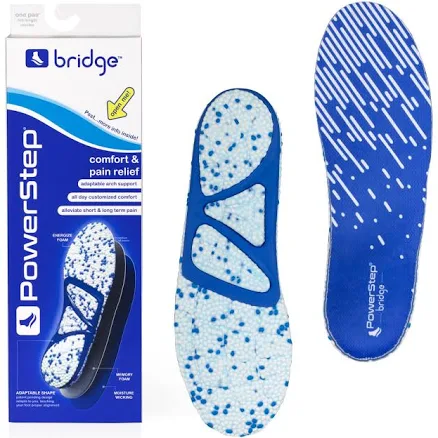
- foam, gel, textile layers
- We found no PFAS statement from the brand
- Formaldehyde / VOCs. Textile top covers on insoles may contain formaldehyde-based binders or finishes for…
3 hazards checked on this product, all on its full breakdown.
Find an alternative on Amazon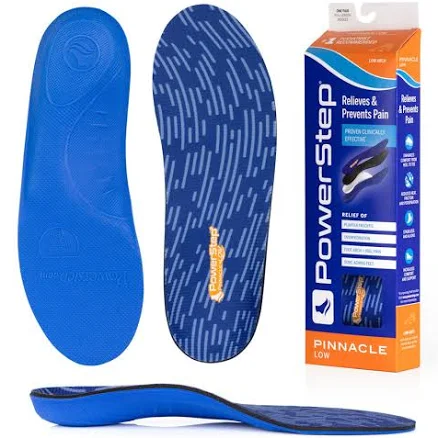
- Foam, fabric, leather
- We found no PFAS statement from the brand
- Azo dyes in fabric covering. Fabric layer composition and dye chemistry are not disclosed by PowerStep. Azo…
3 hazards checked on this product, all on its full breakdown.
Find an alternative on Amazon
- EVA foam, nylon mesh, leather, fiberglass arch support
- We found no PFAS statement from the brand
- Heavy metals. Leather upper and nylon mesh are both dyed components; PowerStep does not disclose tanning…
2 hazards checked on this product, all on its full breakdown.
Find an alternative on Amazon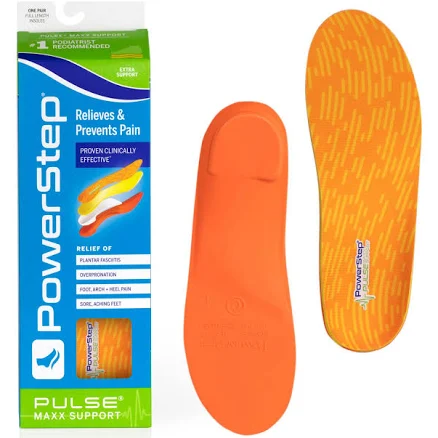
- Foam, fabric, and elastomer blend
- We found no PFAS statement from the brand
- Polyurethane foam degradation and volatile release. Polyurethane foams in shoe insoles can off-gas volatile…
2 hazards checked on this product, all on its full breakdown.
Find an alternative on Amazon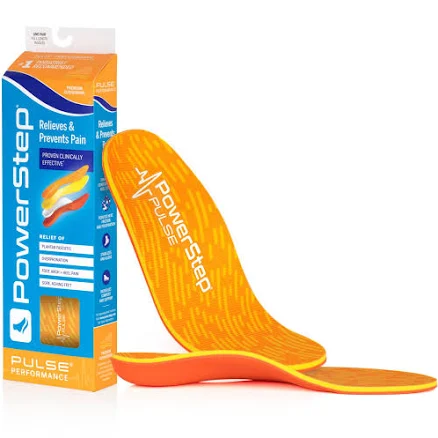
- EVA foam, gel, fabric blend
- We found no PFAS statement from the brand
- Azo dyes in fabric blend. The fabric blend upper may use conventional azo dyes during manufacture; these can…
2 hazards checked on this product, all on its full breakdown.
Find an alternative on Amazon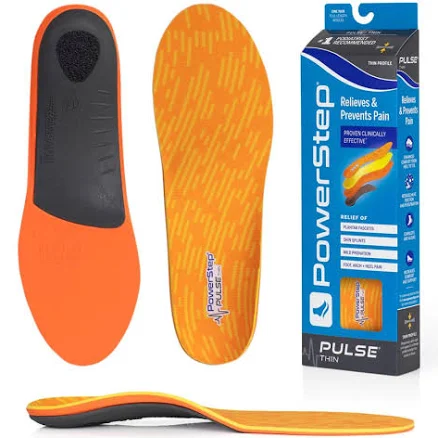
- Foam, fabric, gel components
- We found no PFAS statement from the brand
- Polyurethane foam off-gassing (VOCs). Foam insoles may release volatile organic compounds, especially when…
3 hazards checked on this product, all on its full breakdown.
Find an alternative on Amazon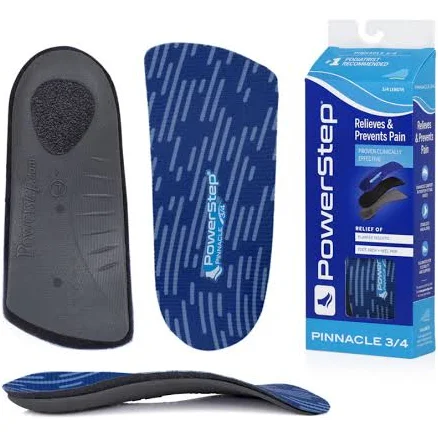
- Foam/cushioning insole with fabric cover
- We found no PFAS statement from the brand
- VOC off-gassing from polyurethane or EVA foam. Foam cushioning cores commonly release volatile organic…
4 hazards checked on this product, all on its full breakdown.
Find an alternative on Amazon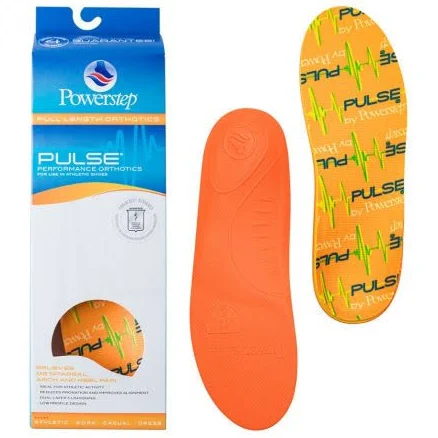
- foam insoles, textile upper
- We found no PFAS statement from the brand
- Azo dyes in textile coloring. Textile uppers may use azo dyes (carcinogenic aromatic amines) if dyed…
2 hazards checked on this product, all on its full breakdown.
Find an alternative on AmazonThe same question, asked of the other synthetic athletic insoles & orthotics brands
Best average grade first. Powerstep averages 65.
See every Powerstep product we grade on the Powerstep brand page, or the full synthetic athletic insoles & orthotics ranking.