Powerstep · Synthetic Athletic Insoles & Orthotics
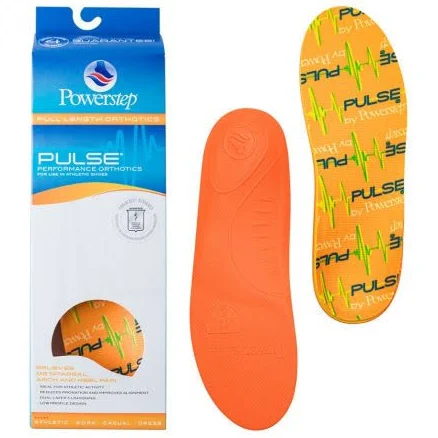
POWERSTEP PULSE E
Foam and textile insoles with no coating or water-repellent finish on record.
The Pulse E consists of foam insoles with a textile upper and has no public PFAS statement from Powerstep. The base materials recorded are not linked to PFAS concern.
Still want this one anyway? Check the price on Amazon. We’d swap it.
Material
foam insoles, textile upper
Brand disclosure
Brand is silent on PFAS
Lab data
No public lab test
You may also be interested in
Top-graded picks in the categories readers replace first, every one scored on the same rubric.

- polypropylene filter housing, carbon/sediment cartridge
- We found no PFAS statement from the brand
- Bacterial growth in spent cartridges
3 hazards checked on this product, all on its full breakdown.

Aquasure
Premier Series 75 GPD Under Sink Reverse Osmosis Water Filtration System
- RO membrane, carbon filters, stainless steel housing
- We found no PFAS statement from the brand
- Bacterial and microbial growth in housing and filters
4 hazards checked on this product, all on its full breakdown.

Avocado
Vegan Mattress
- organic cotton, natural latex, coconut coir, recycled steel coils
- The brand calls it PFAS-free, which we have not verified
- Heavy metals
2 hazards checked on this product, all on its full breakdown.
What POWERSTEP PULSE E is made of, ingredients and materials
Powerstep Pulse E insoles combine foam (likely EVA or polyurethane-based) with textile uppers and a supportive arch structure. Foam materials in footwear insoles are generally stable during normal wear and do not experience the heating or liquid exposure that triggers leaching in cookware or food-contact plastics. The textile upper may contain synthetic fibers (polyester or nylon) but are not designed for skin contact at high temperatures or prolonged moisture saturation.
What’s concerning
Category baseline
The starting point for this type of product, before anything specific to this product is counted.
No PFAS disclosure
No public statement from the brand about PFAS in this product.
Azo dyes in textile coloring
Textile uppers may use azo dyes (carcinogenic aromatic amines) if dyed conventionally. No specific testing data is public for Powerstep products. The small surface area and lack of direct prolonged skin contact (insoles sit inside shoes) limits exposure compared to dyed apparel.
Foam degradation and microparticle shedding
Foam insoles gradually compress and can fragment with extended wear, potentially creating fine particles. These particles are unlikely to be inhaled (they are worn inside footwear) but may accumulate in shoes. Material composition (EVA vs. polyurethane) affects durability; manufacturers do not typically disclose which is used.
What’s reassuring
Base material not linked to PFAS
The main material recorded for this product is not one associated with PFAS.
Formaldehyde / VOCs
Formaldehyde-based finishing resins can be used in synthetic textiles for wrinkle resistance and dye fixation. No published reports confirm their presence in Powerstep Pulse E uppers. Insole textiles see less rigorous finishing than apparel, so risk is likely lower than finished garments.
Source, ATSDR ↗Heavy metals
If the textile upper is dyed with pigments, trace heavy metals (cadmium, lead) are theoretically possible but undocumented in this product class. Insole textiles are not regulated as closely as children's clothing or cosmetics, so testing is not routine.
Source, FDA ↗Antimony in polyester textile
Antimony trioxide is used as a catalyst in polyester production and can remain as residual contamination. No recalls or public testing confirm its presence in Powerstep insoles. Direct skin contact is minimal since insoles sit inside footwear over socks.
How is this PFAS grade calculated?
The brand's record and disclosure
Powerstep is a privately held US footwear company with no published certifications (e.g., OEKO-TEX, Bluesign) or public material transparency statements available on the record. The brand has not disclosed chemical testing results or restricted substance lists for this model. No major recalls or chemical contamination incidents are documented in public safety databases for Powerstep footwear products. Silence on PFAS and dye chemistry is typical for the orthotic insole market, where disclosure lags mainstream athletic footwear brands.
How it compares in its category
Powerstep Pulse E sits in the mass-market orthotic insole segment, which generally carries lower chemical scrutiny than premium athletic or fashion footwear. Competitors (Superfeet, Spenco, Aetrex) similarly lack public chemical certifications. Foam-based insoles pose fewer textile dye and antimony-in-polyester risks than full synthetic shoe uppers, since the primary materials are passive support structures rather than dyed fashion textiles.
If you buy it
Insoles do not require special heat precautions or cleaning beyond hand washing; air dry only and avoid direct heat sources. Replace when foam compresses noticeably (typically 12-24 months of daily wear) or if textile separates from the foam base. Store in a cool, dry place to prevent mold growth in the foam. If you have known sensitivities to synthetic textiles or dyes, test on skin contact in a small area first, though full-foot contact risk is low.
What is not known about PFAS in this product?
- Basis
- Model estimate, 62% confidence, not a lab result
- Lab test
- None on record for this exact product
- Brand statement
- Powerstep has made none
Formulations change between production runs, so check the current label. How we grade.
More synthetic athletic insoles & orthotics grades
How we score, every product runs through the same public 0-100 rubric based on materials, coatings, brand disclosure, lab findings, and recalls. See the full methodology → Spotted a mistake? Report an error.