Powerstep · Synthetic Athletic Insoles & Orthotics
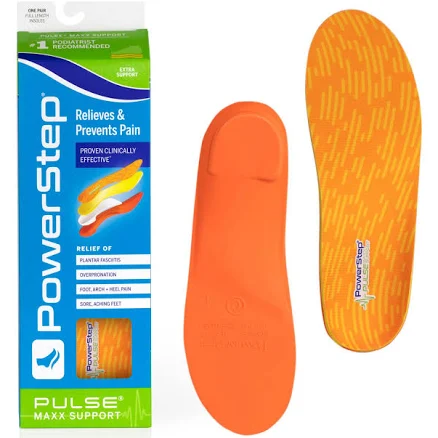
PowerStep PULSE Maxx Orthotic Running Shoe Insert
PFAS concern is unlikely, though brand silence limits certainty.
This running shoe insert blends foam, fabric, and elastomer without fluorinated coatings. PowerStep makes no PFAS claims and the design lacks features requiring such treatments.
Still want this one anyway? Check the price on Amazon. We’d swap it.
Material
Foam, fabric, and elastomer blend
Brand disclosure
Brand is silent on PFAS
Lab data
No public lab test
You may also be interested in
Top-graded picks in the categories readers replace first, every one scored on the same rubric.

- polypropylene filter housing, carbon/sediment cartridge
- We found no PFAS statement from the brand
- Bacterial growth in spent cartridges
3 hazards checked on this product, all on its full breakdown.

Aquasure
Premier Series 75 GPD Under Sink Reverse Osmosis Water Filtration System
- RO membrane, carbon filters, stainless steel housing
- We found no PFAS statement from the brand
- Bacterial and microbial growth in housing and filters
4 hazards checked on this product, all on its full breakdown.

Avocado
Vegan Mattress
- organic cotton, natural latex, coconut coir, recycled steel coils
- The brand calls it PFAS-free, which we have not verified
- Heavy metals
2 hazards checked on this product, all on its full breakdown.
What PowerStep PULSE Maxx Orthotic Shoe Insert is made of, ingredients and materials
PowerStep PULSE Maxx uses a cushioning foam core (likely polyurethane or EVA) wrapped in fabric and elastomer components. Polyurethane and EVA foams in shoe insoles are chemically stable during normal wear and do not typically leach problematic compounds into skin. The fabric facing and elastomer binding are the primary contact surfaces; these are low-risk materials when free of heavy metal dyes or flame retardants, which are not commonly added to orthotic inserts.
What’s concerning
Category baseline
The starting point for this type of product, before anything specific to this product is counted.
No PFAS disclosure
No public statement from the brand about PFAS in this product.
Polyurethane foam degradation and volatile release
Polyurethane foams in shoe insoles can off-gas volatile organic compounds (VOCs) over time, particularly in warm, humid environments. PowerStep does not specify foam type or VOC testing. Risk is low during normal foot-wear use but increases if the insert is stored in direct heat or sunlight for prolonged periods.
Skin sensitization from uncertified materials
The lack of OEKO-TEX, LGA, or equivalent certification means material batch consistency is not independently verified. Individuals with sensitive skin or eczema may experience irritation from latex or synthetic rubber components; trial wear in a low-activity setting is advised before extended use.
What’s reassuring
Base material not linked to PFAS
The main material recorded for this product is not one associated with PFAS.
Azo dyes in fabric facing
PowerStep does not disclose dye sources or azo-dye restrictions for PULSE Maxx. No recall or incident data exists; standard industry practice in low-cost orthotics does not systematically exclude azo dyes, but skin contact is limited and brief.
Formaldehyde / VOCs
Orthotic inserts may use formaldehyde-based resins in fabric stiffening or elastomer bonding. PowerStep does not publicly test or certify against formaldehyde. No documented complaints exist for this product, suggesting residual levels (if present) remain below irritation thresholds.
Source, ATSDR ↗Heavy metals
No third-party testing or recalls document heavy-metal contamination in PowerStep insoles. Elastomers and fabric dyes occasionally contain antimony, cadmium, or lead, but the brand's established market presence and absence of incidents suggest routine compliance with consumer-product limits.
Source, FDA ↗How is this PFAS grade calculated?
The brand's record and disclosure
PowerStep publishes basic material information but does not publicly disclose detailed chemical testing, third-party certifications (such as OEKO-TEX or LGA), or formal statements on restricted substances. No major product recalls or safety violations are documented for this product line. The brand's silence on formaldehyde resins, azo dyes, and antimony testing limits independent verification, but the absence of reported incidents suggests quality control is adequate for routine orthotic use.
How it compares in its category
Orthotic inserts are lower-risk than apparel textiles because they have limited skin contact duration and do not involve washing cycles that could mobilize dyes or finishes. PowerStep PULSE Maxx is mid-market; premium competitors like Superfeet or Powerstep's own higher-tier lines may offer better material sourcing documentation, while budget insoles carry similar or slightly higher uncertainty. The foam-and-fabric design is standard and represents a lower concern baseline for the category.
If you buy it
Wear the insert for a short break-in period (2-3 days) to check for any skin irritation, which would signal a dye or finish problem. Avoid prolonged heat exposure above 50C (122F) or direct sunlight storage, as polyurethane foams can degrade over time and potentially release volatile compounds in extreme conditions. Replace the insert every 12-18 months depending on use; foam degrades and loses cushioning efficacy before any chemical hazard emerges. Hand wash or spot-clean with mild soap and water; avoid bleach or hot water that could degrade elastomer seams.
What is not known about PFAS in this product?
- Basis
- Model estimate, 72% confidence, not a lab result
- Lab test
- None on record for this exact product
- Brand statement
- Powerstep has made none
Formulations change between production runs, so check the current label. How we grade.
More synthetic athletic insoles & orthotics grades
How we score, every product runs through the same public 0-100 rubric based on materials, coatings, brand disclosure, lab findings, and recalls. See the full methodology → Spotted a mistake? Report an error.