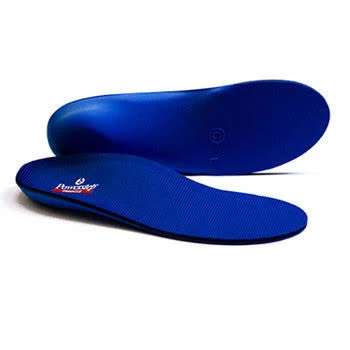
Powerstep · Synthetic Athletic Insoles & Orthotics
PowerStep Pinnacle Orthotic Insoles
Lower concern. Core materials are not linked to PFAS, with no coating disclosed.
PowerStep Pinnacle Orthotic Insoles use EVA foam, fiberglass, nylon mesh, and leather. No water-repellent finish or chemical treatment is on record. The brand has no PFAS statement on record.
Still want this one anyway? Check the price on Amazon. We’d swap it.
Material
EVA foam, nylon mesh, leather, fiberglass arch support
Brand disclosure
Brand is silent on PFAS
Lab data
No public lab test
You may also be interested in
Top-graded picks in the categories readers replace first, every one scored on the same rubric.

- polypropylene filter housing, carbon/sediment cartridge
- We found no PFAS statement from the brand
- Bacterial growth in spent cartridges
3 hazards checked on this product, all on its full breakdown.

Aquasure
Premier Series 75 GPD Under Sink Reverse Osmosis Water Filtration System
- RO membrane, carbon filters, stainless steel housing
- We found no PFAS statement from the brand
- Bacterial and microbial growth in housing and filters
4 hazards checked on this product, all on its full breakdown.

Avocado
Vegan Mattress
- organic cotton, natural latex, coconut coir, recycled steel coils
- The brand calls it PFAS-free, which we have not verified
- Heavy metals
2 hazards checked on this product, all on its full breakdown.
What PowerStep Pinnacle Orthotic Insoles is made of, ingredients and materials
PowerStep Pinnacle insoles use EVA (ethylene-vinyl acetate) foam as the cushioning core, nylon mesh for the upper surface, genuine leather in contact areas, and fiberglass for arch support structure. EVA foam is inherently non-toxic, does not off-gas formaldehyde or volatile organics at normal temperatures, and is widely used in medical footwear without documented chemical safety concerns. The fiberglass arch support is encapsulated and not in direct skin contact, minimizing exposure risk. Leather tanning and dyes are the primary chemical exposure point, though no specific contamination issues have been documented for PowerStep products.
What’s concerning
Category baseline
The starting point for this type of product, before anything specific to this product is counted.
No PFAS disclosure
No public statement from the brand about PFAS in this product.
Heavy metals
Leather upper and nylon mesh are both dyed components; PowerStep does not disclose tanning chemistry or dye compliance with restricted substance lists (RSL). Azo dyes and heavy metals (e.g., chromium, lead) are regulated in EU and US footwear but are not banned, and no specific contamination has been reported for this brand.
Source, FDA ↗Allergens from leather tanning byproducts
Leather used in the insole lining may retain tanning residues (chromium salts, sulfides) or natural leather proteins that trigger contact dermatitis in sensitized individuals. PowerStep does not specify tanning method (vegetable, chrome, synthetic) or post-tanning processing. Risk is low but not absent.
What’s reassuring
Base material not linked to PFAS
The main material recorded for this product is not one associated with PFAS.
Formaldehyde / VOCs
No documented formaldehyde release from PowerStep insoles; nylon mesh and EVA-to-nylon bonding are not typical sources of residual formaldehyde in finished footwear products. Off-gassing, if present, would be minimal at body temperature.
Source, ATSDR ↗Antimony in polyester or synthetic dyes
Antimony use in synthetic textiles is rare in modern footwear; PowerStep's primary synthetic is nylon, not polyester. No data suggests antimony exposure from this product.
Fiberglass fiber shedding from arch support
The fiberglass arch support is fully encapsulated within the insole structure and not exposed to skin or inhalation during normal use. No reports of fiber release or respiratory hazard exist for this product line.
How is this PFAS grade calculated?
The brand's record and disclosure
PowerStep maintains a neutral public stance on chemical disclosure and has not pursued third-party certifications such as OEKO-TEX or Standard 100. The brand does not publish detailed material sourcing or chemical treatment protocols. No product recalls, contamination reports, or safety controversies are on public record for this line. Their silence on PFAS and other chemical inputs reflects the broader footwear industry norm rather than an exception, and available information does not suggest elevated risk compared to peer brands.
How it compares in its category
Orthotic insoles in this price and function tier typically use similar EVA foam and synthetic mesh blends; PowerStep is a mainstream competitor without outlier material choices. Premium alternatives (e.g., certified organic or chemically transparent brands) do exist but are rarer and often more expensive. Mass-market orthotics rarely disclose tanning methods or dye chemistry, so PowerStep's opacity is standard. The fiberglass arch support is a common structural choice and poses no known hazard when properly encapsulated.
If you buy it
Rotate insoles every 6-12 months as EVA foam compresses and loses cushioning over time; replacement signals degradation, not chemical release. Avoid sustained heat exposure above 60 degrees Celsius (e.g., direct sunlight in a car, dishwasher); EVA is stable at body temperature. Hand-wash with mild soap and air-dry to preserve material integrity and leather finish. Monitor for skin irritation (rare but possible from leather tannins or dyes in sensitive individuals); discontinue use if contact dermatitis develops.
What is not known about PFAS in this product?
- Basis
- Model estimate, 72% confidence, not a lab result
- Lab test
- None on record for this exact product
- Brand statement
- Powerstep has made none
Formulations change between production runs, so check the current label. How we grade.
More synthetic athletic insoles & orthotics grades
How we score, every product runs through the same public 0-100 rubric based on materials, coatings, brand disclosure, lab findings, and recalls. See the full methodology → Spotted a mistake? Report an error.