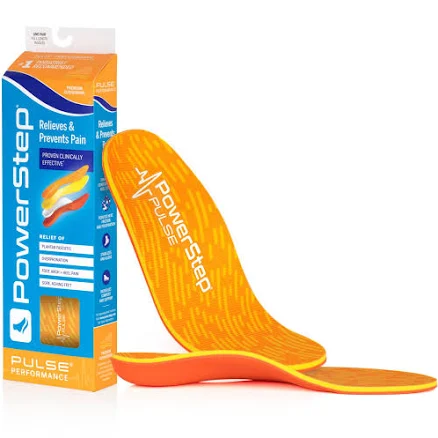
Powerstep · Synthetic Athletic Insoles & Orthotics
PowerStep Pulse Performance Insoles
These insoles likely skip PFAS, but the brand says nothing about it.
PowerStep Pulse uses EVA foam and gel that typically don't need PFAS. However, PowerStep stays silent on whether hidden water-resistant coatings exist.
Still want this one anyway? Check the price on Amazon. We’d swap it.
Material
EVA foam, gel, fabric blend
Brand disclosure
Brand is silent on PFAS
Lab data
No public lab test
You may also be interested in
Top-graded picks in the categories readers replace first, every one scored on the same rubric.

- polypropylene filter housing, carbon/sediment cartridge
- We found no PFAS statement from the brand
- Bacterial growth in spent cartridges
3 hazards checked on this product, all on its full breakdown.

Aquasure
Premier Series 75 GPD Under Sink Reverse Osmosis Water Filtration System
- RO membrane, carbon filters, stainless steel housing
- We found no PFAS statement from the brand
- Bacterial and microbial growth in housing and filters
4 hazards checked on this product, all on its full breakdown.

Avocado
Vegan Mattress
- organic cotton, natural latex, coconut coir, recycled steel coils
- The brand calls it PFAS-free, which we have not verified
- Heavy metals
2 hazards checked on this product, all on its full breakdown.
What PowerStep Pulse Performance Insoles is made of, ingredients and materials
PowerStep Pulse insoles are constructed from EVA (ethylene-vinyl acetate) foam as the core cushioning material, combined with gel components and a fabric blend upper surface. EVA is a thermoplastic elastomer widely used in footwear because it resists degradation, does not leach plastic additives under normal foot-temperature use, and does not contain BPA or phthalates by formulation. The gel layer adds shock absorption; the fabric blend (likely polyester or cotton-polyester) contacts skin directly, making dye safety relevant.
What’s concerning
Category baseline
The starting point for this type of product, before anything specific to this product is counted.
No PFAS disclosure
No public statement from the brand about PFAS in this product.
Azo dyes in fabric blend
The fabric blend upper may use conventional azo dyes during manufacture; these can include aromatic amines regulated in some jurisdictions. PowerStep does not disclose dye chemistry or certifications (e.g., Oeko-Tex), so presence cannot be ruled out, though risk from skin contact with insole fabric is low due to indirect contact inside shoe.
Formaldehyde / VOCs
Textile fabric blends sometimes receive formaldehyde-releasing finishes for wrinkle resistance or water repellency. No information is available on whether PowerStep applies such treatments; if present, off-gassing would be minimal because contact is inside a shoe and not against sensitive skin for hours.
Source, ATSDR ↗What’s reassuring
Base material not linked to PFAS
The main material recorded for this product is not one associated with PFAS.
Heavy metals
No recalls or safety data suggest heavy-metal contamination in PowerStep insole fabrics or adhesives. EVA foam itself does not require heavy-metal stabilizers as it is inherently stable, unlike some other plastics.
Source, FDA ↗Microplastics
EVA foam is chemically stable under normal use and does not degrade into microplastics at body temperature or from sweat exposure. Minor surface wear may occur over years, but this is mechanical degradation rather than chemical breakdown and poses negligible exposure.
Source, EPA ↗Adhesive leachables (glues binding layers)
PowerStep likely uses non-toxic polyurethane or EVA-based adhesives to bond foam and fabric layers, which are standard in the industry and not known to leach harmful compounds under the temperature and humidity of normal foot use.
How is this PFAS grade calculated?
The brand's record and disclosure
PowerStep is a privately held orthotics company without major public safety certifications or third-party environmental/chemical disclosures on record. The brand does not publish material safety data or make claims about PFAS, heavy metals, or chemical treatments, which is typical for orthotic footwear manufacturers but limits transparency. No significant safety recalls or toxicity complaints are documented for this product line. The brand's silence on processing chemicals used in the fabric or foam does not indicate a hazard, only an absence of reassurance.
How it compares in its category
Insoles as a category carry lower chemical exposure risk than garments because contact is indirect (worn inside shoe, not against bare skin for extended periods) and temperatures remain body-temperature neutral. EVA-based insoles are industry standard and have lower concern for PFAS than older PVC or latex foam alternatives. Competitors like Superfeet and Powerstep's own other lines use similar EVA-gel construction, so this product is typical in material composition and manufacturing transparency.
If you buy it
Store insoles in a cool, dry place away from direct heat or sunlight, as EVA can soften if exposed to temperatures above 50-60°C (122-140°F) for extended periods, though normal use will not reach this. Replace insoles every 12-18 months or when cushioning visibly compresses, as degraded foam loses support rather than releasing hazardous compounds. Hand wash the fabric upper with mild soap if soiling occurs; do not machine wash or bleach. No special precautions needed beyond standard footwear care.
What is not known about PFAS in this product?
- Basis
- Model estimate, 72% confidence, not a lab result
- Lab test
- None on record for this exact product
- Brand statement
- Powerstep has made none
Formulations change between production runs, so check the current label. How we grade.
More synthetic athletic insoles & orthotics grades
How we score, every product runs through the same public 0-100 rubric based on materials, coatings, brand disclosure, lab findings, and recalls. See the full methodology → Spotted a mistake? Report an error.