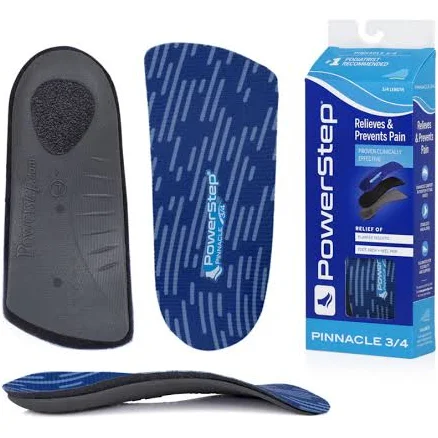
Powerstep · Synthetic Athletic Insoles & Orthotics
Powerstep SlimTech 3/4
Limited PFAS risk, but cushioning composition unconfirmed.
Powerstep SlimTech 3/4 is an orthotic insole without public disclosure of foam or fabric treatments. Without lab data or certifications, PFAS risk is moderate but unconfirmed.
Still want this one anyway? Check the price on Amazon. We’d swap it.
Material
Foam/cushioning insole with fabric cover
Brand disclosure
Brand is silent on PFAS
Lab data
No public lab test
You may also be interested in
Top-graded picks in the categories readers replace first, every one scored on the same rubric.

- polypropylene filter housing, carbon/sediment cartridge
- We found no PFAS statement from the brand
- Bacterial growth in spent cartridges
3 hazards checked on this product, all on its full breakdown.

Aquasure
Premier Series 75 GPD Under Sink Reverse Osmosis Water Filtration System
- RO membrane, carbon filters, stainless steel housing
- We found no PFAS statement from the brand
- Bacterial and microbial growth in housing and filters
4 hazards checked on this product, all on its full breakdown.

Avocado
Vegan Mattress
- organic cotton, natural latex, coconut coir, recycled steel coils
- The brand calls it PFAS-free, which we have not verified
- Heavy metals
2 hazards checked on this product, all on its full breakdown.
What Powerstep SlimTech 3/4 is made of, ingredients and materials
Powerstep SlimTech 3/4 is a foam-based insole with a fabric cover, designed for arch support in shoe use. Foam cushioning in insoles is typically polyurethane or EVA (ethylene-vinyl acetate), both of which can off-gas volatile organic compounds (VOCs) during manufacturing and early use, particularly in warm or enclosed shoe environments. The fabric cover material is not specified in public data; if polyester, it may contain residual antimony (a flame-retardant catalyst) or azo dyes. No published composition breakdown from Pinnacle is readily available, which limits precise hazard assessment.
What’s concerning
Category baseline
The starting point for this type of product, before anything specific to this product is counted.
No PFAS disclosure
No public statement from the brand about PFAS in this product.
VOC off-gassing from polyurethane or EVA foam
Foam cushioning cores commonly release volatile organic compounds (toluene, formaldehyde, benzene) during manufacture and early use. In a warm, enclosed shoe environment, this off-gassing may concentrate and persist for weeks. Pinnacle provides no off-gas testing data or foam cure time disclosure.
Azo dye or residual dye migration from fabric cover
If the fabric cover is synthetic (likely polyester) and untested for dye stability, sweat and moisture inside the shoe could mobilize azo dyes or other synthetic colorants. Skin contact with feet (which are occluded and warm) increases dermal absorption risk. No dyestuff specification is published.
Antimony residue in polyester fabric (if present)
Polyester fabrics sometimes retain trace antimony from polyester synthesis. While antimony leaching into skin is low, prolonged contact with sweaty feet and warm conditions may increase bioavailability. Material composition is unconfirmed for this product.
Microparticle shedding from degraded foam
Over time, foam cushioning breaks down mechanically and chemically. Fragmented foam particles may become airborne or ingested via hand-to-mouth contact, particularly in users who handle the insole during cleaning or replacement. No durability or shedding testing is published.
What’s reassuring
Base material not linked to PFAS
The main material recorded for this product is not one associated with PFAS.
Contact dermatitis from uncertified materials or processing residues
No specific dermatitis reports are on record for SlimTech 3/4. However, absence of material certifications (OEKO-TEX) and public allergy testing means residual processing chemicals (e.g., catalyst residues, release agents) cannot be ruled out.
How is this PFAS grade calculated?
The brand's record and disclosure
Pinnacle (the parent company behind the Powerstep brand) does not publicly disclose detailed material sourcing, chemical composition, or third-party testing results for this insole product. The brand has not published certifications (e.g., OEKO-TEX, ISO 9001 for materials) that would substantiate chemical safety claims. No major recalls or established health complaints specific to SlimTech 3/4 are on record in public databases, but the lack of transparency makes independent verification difficult.
How it compares in its category
Foam insoles occupy a middle ground for chemical risk in footwear. They are lower-risk than spray-on foam treatments but higher-risk than molded rigid or gel alternatives, which off-gas less. Competitors such as Superfeet and Birkenstock more frequently publish material certifications and sourcing information. SlimTech 3/4's generic foam composition and absent labeling place it below the transparency standard of certified alternatives in the premium insole market.
If you buy it
Air out new insoles for 24-48 hours before extended wear to allow initial VOC release in a ventilated space, not inside a sealed shoe. Inspect the fabric cover for loose dyes or deterioration; replace the insoles every 12-18 months or when cushioning visibly compresses, as degraded foam may shed microparticles. Avoid exposing them to sustained heat (e.g., direct sunlight in a car) to slow chemical breakdown. If you experience skin irritation or respiratory symptoms after insertion, discontinue use and consider a certified alternative.
What is not known about PFAS in this product?
- Basis
- Model estimate, 68% confidence, not a lab result
- Lab test
- None on record for this exact product
- Brand statement
- Powerstep has made none
Formulations change between production runs, so check the current label. How we grade.
More synthetic athletic insoles & orthotics grades
How we score, every product runs through the same public 0-100 rubric based on materials, coatings, brand disclosure, lab findings, and recalls. See the full methodology → Spotted a mistake? Report an error.