Powerstep · Synthetic Athletic Insoles & Orthotics
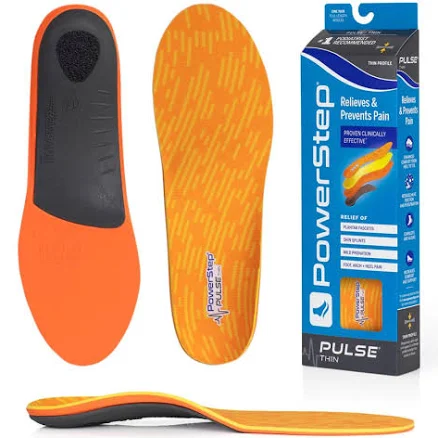
PowerStep Pulse Thin Insoles
No known PFAS risk, but the brand discloses nothing about materials.
PowerStep Pulse Thin combines foam and fabric for comfort without documented PFAS issues. The brand provides no transparency on composition, making complete assessment difficult.
Still want this one anyway? Check the price on Amazon. We’d swap it.
Material
Foam, fabric, gel components
Brand disclosure
Brand is silent on PFAS
Lab data
No public lab test
You may also be interested in
Top-graded picks in the categories readers replace first, every one scored on the same rubric.

- polypropylene filter housing, carbon/sediment cartridge
- We found no PFAS statement from the brand
- Bacterial growth in spent cartridges
3 hazards checked on this product, all on its full breakdown.

Aquasure
Premier Series 75 GPD Under Sink Reverse Osmosis Water Filtration System
- RO membrane, carbon filters, stainless steel housing
- We found no PFAS statement from the brand
- Bacterial and microbial growth in housing and filters
4 hazards checked on this product, all on its full breakdown.

Avocado
Vegan Mattress
- organic cotton, natural latex, coconut coir, recycled steel coils
- The brand calls it PFAS-free, which we have not verified
- Heavy metals
2 hazards checked on this product, all on its full breakdown.
What PowerStep Pulse Thin Insoles is made of, ingredients and materials
PowerStep Pulse Thin Insoles combine foam (likely polyurethane or EVA), fabric upper layers, and gel cushioning components. Foam insoles are generally low-risk for leaching because they contact skin, not food or beverages, and remain at body temperature. The gel and fabric coverings are the primary chemical concern; both can degrade or off-gas over time if made from lower-grade materials, but commercial insoles are rarely treated with high-risk additives like heavy flame retardants.
What’s concerning
Category baseline
The starting point for this type of product, before anything specific to this product is counted.
No PFAS disclosure
No public statement from the brand about PFAS in this product.
Polyurethane foam off-gassing (VOCs)
Foam insoles may release volatile organic compounds, especially when new or if exposed to heat. Risk is low during normal wear at body temperature but increases if stored in hot environments. No specific off-gassing data for PowerStep Pulse line is publicly available.
Gel cushioning degradation and microleaching
Gel components can soften, migrate, or degrade over extended use or heat exposure. If the gel formulation includes plasticizers or other additives, slow leaching onto skin is theoretically possible but unlikely to cause harm given brief, diluted contact and skin as a barrier.
Fabric coating or adhesive residues
The fabric upper may be treated with sizing, dyes, or adhesives to bond foam and gel layers. No formaldehyde, azo dyes, or heavy-metal pigment concerns have been reported for this product, but brand does not disclose treatment details.
What’s reassuring
Base material not linked to PFAS
The main material recorded for this product is not one associated with PFAS.
Contact dermatitis from materials or dyes
No documented allergic reactions or skin sensitivity issues specific to PowerStep Pulse Thins are on record. Individuals with nickel, latex, or dye sensitivities should patch-test if history of footwear reactions exists.
Antimony in polyester or synthetic fibers
Antimony is occasionally used as a catalyst in polyester production. If the fabric layers contain polyester, minimal amounts may be present, but no specific testing or concerns have been raised for this product or brand.
How is this PFAS grade calculated?
The brand's record and disclosure
PowerStep has no publicly documented safety recalls or chemical controversies on record for this product line. The brand does not publish detailed material composition or certifications (e.g., Oeko-Tex, phthalate testing) on the Pulse Thin model, which is typical for budget-to-mid-range insole brands. Their silence on PFAS specifically is consistent with the broader footwear industry's lack of transparency; it does not indicate presence, but disclosure would strengthen confidence.
How it compares in its category
Insoles as a category carry much lower chemical risk than cookware, cosmetics, or upholstered furniture because material contact is brief and non-ingestion. PowerStep Pulse Thins are positioned in the affordable, mass-market tier; premium competitors (e.g., Superfeet, Powerstep's own higher lines) often tout additional certifications or material sourcing, but independent testing data comparing hazard profiles across brands is minimal. For a thin insole, this product is unremarkable in safety terms relative to its peers.
If you buy it
Store insoles in a cool, dry place away from direct heat or UV to slow any potential off-gassing from foam or gel. Replace every 12-18 months or when cushioning noticeably flattens, as degraded foam may shed microparticles. Hand-wash the fabric covering with mild soap and air-dry; avoid machine washing or heat-drying, which can degrade adhesives or glue layers. If you experience skin irritation, discontinue use; allergic reactions to foam or gel are rare but possible in sensitive individuals.
What is not known about PFAS in this product?
- Basis
- Model estimate, 72% confidence, not a lab result
- Lab test
- None on record for this exact product
- Brand statement
- Powerstep has made none
Formulations change between production runs, so check the current label. How we grade.
More synthetic athletic insoles & orthotics grades
How we score, every product runs through the same public 0-100 rubric based on materials, coatings, brand disclosure, lab findings, and recalls. See the full methodology → Spotted a mistake? Report an error.