Do Rubbermaid food storage containers have PFAS?
Rubbermaid food storage containers average 65 out of 100 on PFAS Authority's PFAS and toxin screen across the 6 Rubbermaid food storage containers graded as of October 2026, and 5 of them reach its 70 point pass mark.
Rubbermaid food storage containers average Good on our four-band scale. 5 of the 6 we graded are worth buying.
PFAS Authority is a scoring system, not a laboratory. We do not test products ourselves. Grades are model-based, built from published ingredients, materials, certifications, brand disclosures and third-party lab results where they exist. See the rubric.
You may also be interested in
Top-graded picks in the categories readers replace first, every one scored on the same rubric.

- polypropylene filter housing, carbon/sediment cartridge
- We found no PFAS statement from the brand
- Bacterial growth in spent cartridges
3 hazards checked on this product, all on its full breakdown.

Aquasure
Premier Series 75 GPD Under Sink Reverse Osmosis Water Filtration System
- RO membrane, carbon filters, stainless steel housing
- We found no PFAS statement from the brand
- Bacterial and microbial growth in housing and filters
4 hazards checked on this product, all on its full breakdown.

Avocado
Vegan Mattress
- organic cotton, natural latex, coconut coir, recycled steel coils
- The brand calls it PFAS-free, which we have not verified
- Heavy metals
2 hazards checked on this product, all on its full breakdown.
Rubbermaid food storage containers worth buying Good or better, best-graded first
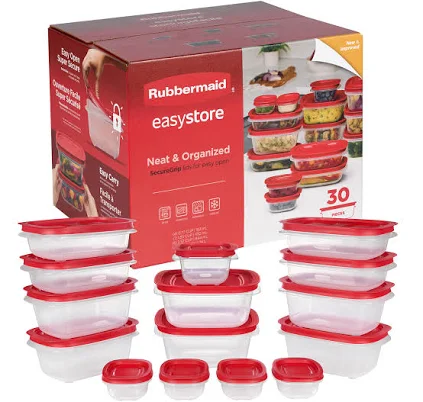
- polypropylene (PP) plastic containers and lids
- We found no PFAS statement from the brand
- Microplastics. Repeated heating above recommended limits or prolonged UV exposure may cause PP to become…
3 hazards checked on this product, all on its full breakdown.
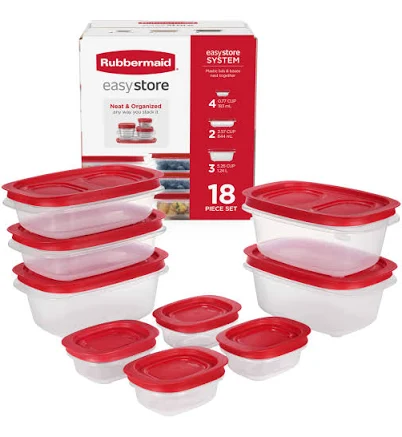
- polypropylene (PP) plastic containers and lids
- We found no PFAS statement from the brand
- Microplastics. If containers are microwaved at high power or exposed to boiling liquids repeatedly, polymer…
2 hazards checked on this product, all on its full breakdown.
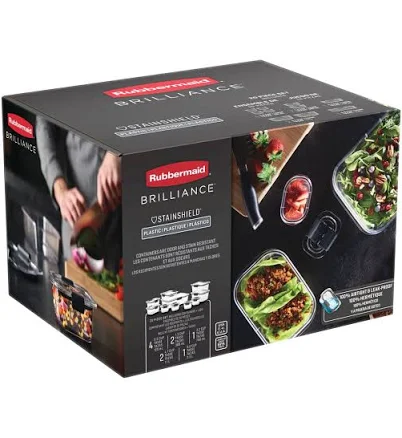
- Plastic polymer (polypropylene/copolyester blend) with clear lids
- We found no PFAS statement from the brand
- Microplastic shedding and oligomer release. Polypropylene can release oligomeric fragments under stress…
2 hazards checked on this product, all on its full breakdown.
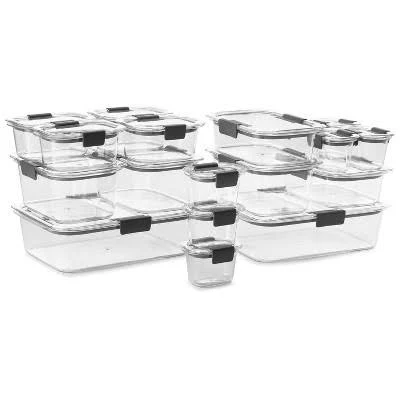
- BPA-free plastic (polypropylene/copolyester blend)
- We found no PFAS statement from the brand
- Microplastics. Polypropylene containers can fragment or leach microparticles if cracked, scratched, or…
4 hazards checked on this product, all on its full breakdown.
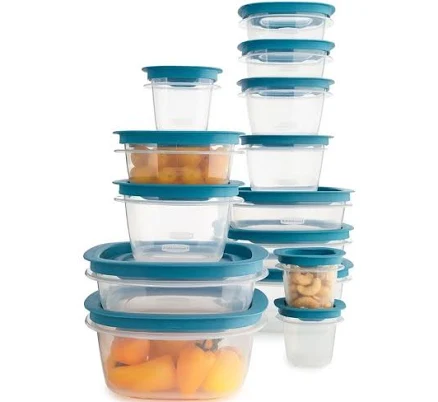
- Polypropylene (PP) plastic lids and containers
- We found no PFAS statement from the brand
- Microplastic generation from wear. Repeated mechanical stress from stacking, opening, and closing lids can…
3 hazards checked on this product, all on its full breakdown.
Which Rubbermaid food storage containers contain PFAS? Poor and Bad, we’d swap these
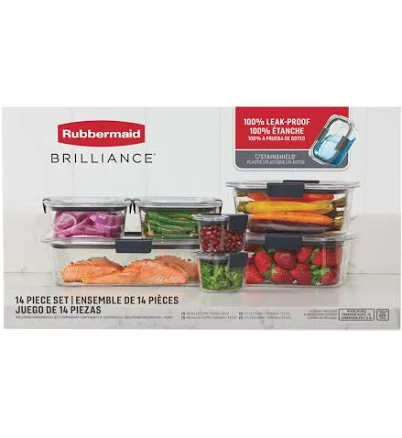
- Polypropylene (PP) plastic with stain-resistant treatment
- We found no PFAS statement from the brand
- PFAS. The StainShield coating's chemical composition is undisclosed. Stain-resistant coatings in food-contact…
4 hazards checked on this product, all on its full breakdown.
Find an alternative on AmazonBetter food storage containers from other brands
Graded higher than the Rubbermaid average of 65.
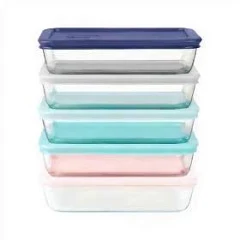
- borosilicate glass with metal lids (likely stainless steel or aluminum)
- Metal lid corrosion and leaching
3 hazards checked on this product, all on its full breakdown.
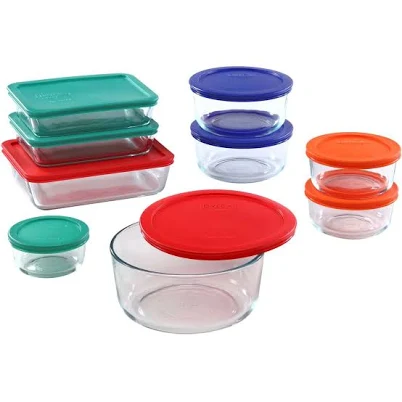
- borosilicate glass with plastic lids
- PFAS
4 hazards checked on this product, all on its full breakdown.
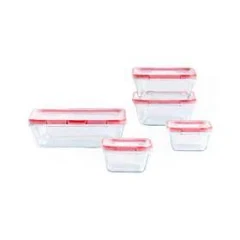
- Borosilicate glass containers with plastic lids (PP/TPE closure material unspecified)
- Microplastics
4 hazards checked on this product, all on its full breakdown.
The same question, asked of the other food storage containers brands
Best average grade first. Rubbermaid averages 65.
See every Rubbermaid product we grade on the Rubbermaid brand page, or the full food storage containers ranking.