Rubbermaid · Food Storage Containers
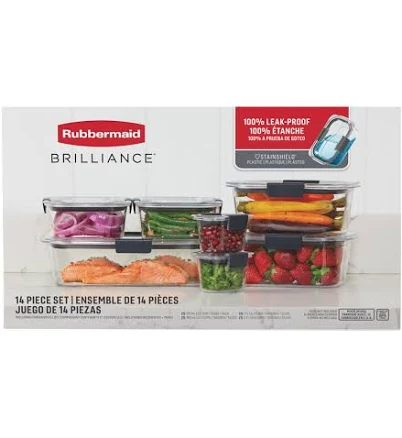
Rubbermaid Brilliance StainShield Plastic Food Storage Containers
Lower concern for rigid food-storage plastic, but stain-resistance treatment warrants caution without disclosure.
Rubbermaid Brilliance containers are primarily polypropylene, a common food-safe plastic with lower inherent PFAS risk than coated cookware. However, the StainShield branding suggests a treatment applied for stain resistance, which Rubbermaid doesn't publicly disclose.
The better-graded swap
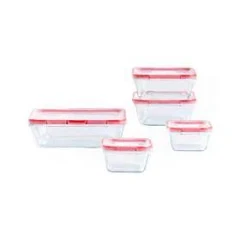
Pyrex
Pyrex Freshlock 10-Piece Glass Storage Set
80/100 safety
Same rubric that flunked this product. The swap earned Excellent.
Still want this one anyway? Check the price on Amazon. We’d swap it.
Material
Polypropylene (PP) plastic with stain-resistant treatment
Brand disclosure
Brand is silent on PFAS
Lab data
No public lab test
You may also be interested in
Top-graded picks in the categories readers replace first, every one scored on the same rubric.

- polypropylene filter housing, carbon/sediment cartridge
- We found no PFAS statement from the brand
- Bacterial growth in spent cartridges
3 hazards checked on this product, all on its full breakdown.

Aquasure
Premier Series 75 GPD Under Sink Reverse Osmosis Water Filtration System
- RO membrane, carbon filters, stainless steel housing
- We found no PFAS statement from the brand
- Bacterial and microbial growth in housing and filters
4 hazards checked on this product, all on its full breakdown.

Avocado
Vegan Mattress
- organic cotton, natural latex, coconut coir, recycled steel coils
- The brand calls it PFAS-free, which we have not verified
- Heavy metals
2 hazards checked on this product, all on its full breakdown.
What Rubbermaid Brilliance Containers is made of, ingredients and materials
Rubbermaid Brilliance containers are made from polypropylene (PP, #5 plastic), a thermoplastic polymer with a relatively high heat tolerance compared to PET or PVC. The StainShield treatment is a proprietary stain-resistant coating applied to the plastic surface; Rubbermaid has not publicly disclosed its chemical composition, raising questions about whether it contains PFAS or other fluorinated compounds commonly used in food-contact stain blockers. Polypropylene itself is not known to leach BPA or phthalates under normal use, but the integrity and composition of the added coating are the primary concern.
What’s concerning
Category baseline
The starting point for this type of product, before anything specific to this product is counted.
No PFAS disclosure
No public statement from the brand about PFAS in this product.
Stain-resistant finish
Stain-resistant finishes are a common PFAS use.
PFAS
The StainShield coating's chemical composition is undisclosed. Stain-resistant coatings in food-contact plastics often use fluorinated compounds (PFAS) to repel oils and water; without transparency, the presence of PFAS cannot be ruled out and is a significant concern for high-contact food items.
Source, ATSDR ↗Coating degradation and migration
Over time, any proprietary coating on plastic can degrade, flake, or migrate into food, especially if scratched or exposed to acidic or hot foods. User reports of coating cloudiness and peeling on older Brilliance containers suggest this is a real degradation pattern.
Microplastic shedding from wear
Repeated scratching, washing, or thermal stress on the plastic surface or stain-resistant coating can gradually release microplastic particles, particularly if the coating flakes or degrades.
Heat-induced leaching from coating
If stored or reheated at temperatures above 80°C, the stain-resistant coating may begin to leach components into food. Polypropylene itself is stable; the risk is from the added treatment.
What’s reassuring
BPA & bisphenols
Polypropylene does not inherently contain BPA or phthalates. No recalls or evidence of contamination in this product class from the base material.
Source, FDA ↗How is this PFAS grade calculated?
The brand's record and disclosure
Rubbermaid (owned by Newell Brands) has not published a PFAS policy specific to food storage containers and has not disclosed the chemical identity of the StainShield coating. The company has faced no major recalls related to these containers for chemical hazards, but its silence on coating chemistry is notable given industry awareness of PFAS in food-contact coatings. Newell Brands has made general sustainability commitments but has not transparently addressed PFAS restrictions in rigid food storage.
How it compares in its category
Most rigid food storage containers (Pyrex glass, stainless steel, or untreated polypropylene alternatives like Sistema or OXO) do not use proprietary stain-resistant coatings. Rubbermaid's StainShield is a feature designed to reduce permanent staining from foods like tomato sauce; this convenience comes at the cost of chemical opacity. Containers with transparent material and no added coatings present lower concern; this product sits in a middle category where the benefit (stain resistance) is cosmetic rather than functional, making the chemical risk trade-off harder to justify.
If you buy it
Avoid storing hot foods or liquids in these containers; use them only for cold or room-temperature storage. Polypropylene has a heat tolerance around 100-120°C (212-250°F), but the stain-resistant coating may degrade or leach at high temperatures. Do not microwave unless the lid is labeled microwave-safe separately. Replace containers if the coating shows visible peeling, cloudiness, or degradation, as this signals potential loss of coating integrity and possible migration of coating particles into food.
What is not known about PFAS in this product?
- Basis
- Model estimate, 72% confidence, not a lab result
- Lab test
- None on record for this exact product
- Brand statement
- Rubbermaid has made none
Formulations change between production runs, so check the current label. How we grade.
What are the PFAS-free alternatives to Rubbermaid Brilliance StainShield Plastic Food Storage Containers?
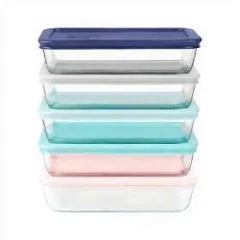
- borosilicate glass with metal lids (likely stainless steel or aluminum)
- Metal lid corrosion and leaching
3 hazards checked on this product, all on its full breakdown.
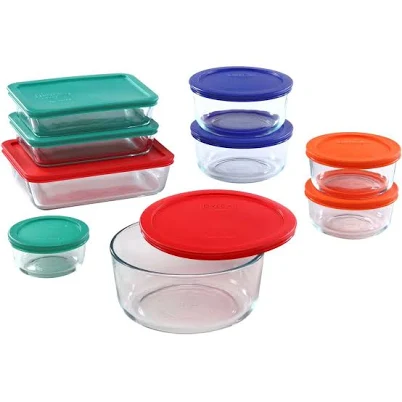
- borosilicate glass with plastic lids
- PFAS
4 hazards checked on this product, all on its full breakdown.
- Borosilicate glass containers with plastic lids (PP/TPE closure material unspecified)
- Microplastics
4 hazards checked on this product, all on its full breakdown.
More food storage containers grades
How we score, every product runs through the same public 0-100 rubric based on materials, coatings, brand disclosure, lab findings, and recalls. See the full methodology → Spotted a mistake? Report an error.