Rubbermaid · Food Storage Containers
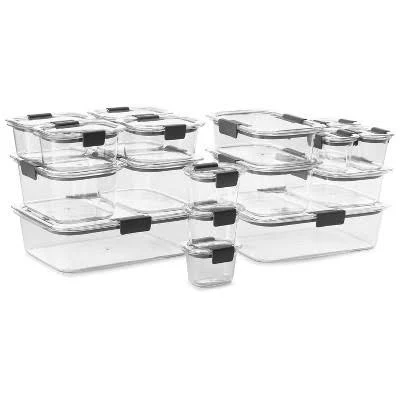
Rubbermaid Brilliance 36-Pc. Food Storage Set
Lower concern for food storage; rigid plastic containers unlikely to contain PFAS, but brand discloses nothing about PFAS or coatings.
Rubbermaid Brilliance containers are rigid, durable plastic food storage without flexible films or treated surfaces. No PFAS coatings or water-resistance treatments typically appear in rigid food-grade plastic. Rubbermaid provides no public PFAS disclosure, and independent lab testing is unavailable.
We flunk more products than we pass. This one earned its grade. How we grade
Material
BPA-free plastic (polypropylene/copolyester blend)
Brand disclosure
Brand is silent on PFAS
Lab data
No public lab test
You may also be interested in
Top-graded picks in the categories readers replace first, every one scored on the same rubric.

- polypropylene filter housing, carbon/sediment cartridge
- We found no PFAS statement from the brand
- Bacterial growth in spent cartridges
3 hazards checked on this product, all on its full breakdown.

Aquasure
Premier Series 75 GPD Under Sink Reverse Osmosis Water Filtration System
- RO membrane, carbon filters, stainless steel housing
- We found no PFAS statement from the brand
- Bacterial and microbial growth in housing and filters
4 hazards checked on this product, all on its full breakdown.

Avocado
Vegan Mattress
- organic cotton, natural latex, coconut coir, recycled steel coils
- The brand calls it PFAS-free, which we have not verified
- Heavy metals
2 hazards checked on this product, all on its full breakdown.
What Rubbermaid Brilliance Food Storage Set is made of, ingredients and materials
Rubbermaid Brilliance containers are made from polypropylene (PP) and copolyester blends, both of which are rigid plastics chosen for durability and food contact safety. Polypropylene is one of the most stable food-contact plastics and does not contain BPA or BPS by design. The copolyester component (likely acrylic or similar) is added for clarity and impact resistance. This material combination is resistant to leaching under normal cold and room-temperature storage conditions.
What’s concerning
Category baseline
The starting point for this type of product, before anything specific to this product is counted.
No PFAS disclosure
No public statement from the brand about PFAS in this product.
Microplastics
Polypropylene containers can fragment or leach microparticles if cracked, scratched, or repeatedly microwaved despite warnings. Risk is low with proper storage and handling but increases with age and misuse.
Source, EPA ↗Heat-induced leaching
Polypropylene can release oligomers and other compounds at elevated temperatures (above 160F). This product is not designed for hot food storage or microwave use; using it outside these limits increases potential for leaching.
Lid seal degradation
Rubber or silicone gaskets in lids degrade over time and with repeated washing, reducing airtightness. This is normal wear rather than a chemical hazard but can compromise food freshness and hygiene if not replaced.
Mold/bacterial growth from poor ventilation
Sealed containers trap moisture; improper drying before storage or leaving condensation inside can promote microbial growth. This is a use-related risk, not a product defect, but common with this container type.
What’s reassuring
Base material not linked to PFAS
The main material recorded for this product is not one associated with PFAS.
Phthalates
Polypropylene and copolyester do not typically contain phthalates. No public record of phthalate contamination in Rubbermaid Brilliance products or similar mainstream PP food storage containers.
Source, ATSDR ↗How is this PFAS grade calculated?
The brand's record and disclosure
Rubbermaid (owned by Newell Brands) markets Brilliance as BPA-free and compliant with FDA food-contact regulations, but provides no public disclosure regarding PFAS, phthalates, or other chemical restrictions beyond the BPA claim. The brand has not faced major recalls or safety controversies specific to this product line in available public records. However, like most major plastic container manufacturers, Rubbermaid remains largely silent on PFAS mitigation or independent third-party safety certifications.
How it compares in its category
Brilliance sits in the mainstream mid-market segment alongside Pyrex glass and OXO plastic containers. Unlike glass, it offers break resistance and lower cost; unlike some budget alternatives, it uses plastics not linked to certain PFAS concerns (PP rather than PVC or polycarbonate). No independent testing or recalls distinguish it as having lower or higher concern than comparable rigid plastic food storage sets from major manufacturers in this price range.
If you buy it
Store only cold or room-temperature foods; avoid microwave use or sustained heat above 160F, as polypropylene begins to soften and may degrade. Hand-wash lids and inspect regularly for cracks, cloudiness, or warping, discard and replace if structural integrity is compromised. Do not store fatty or oily foods long-term, as they can stress the plastic over time. Lids should be replaced every 2-3 years if frequently used, as they wear faster than containers.
What is not known about PFAS in this product?
- Basis
- Model estimate, 72% confidence, not a lab result
- Lab test
- None on record for this exact product
- Brand statement
- Rubbermaid has made none
Formulations change between production runs, so check the current label. How we grade.
What are the PFAS-free alternatives to Rubbermaid Brilliance 36-Pc. Food Storage Set?
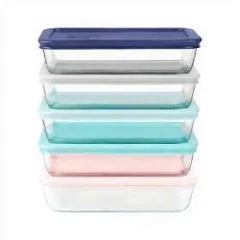
- borosilicate glass with metal lids (likely stainless steel or aluminum)
- Metal lid corrosion and leaching
3 hazards checked on this product, all on its full breakdown.
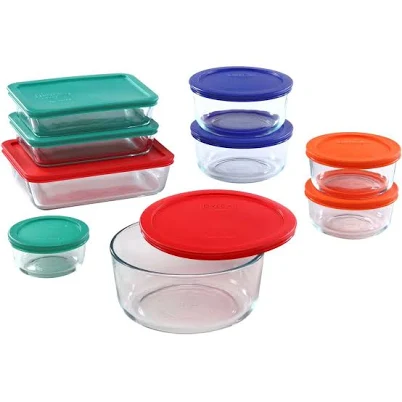
- borosilicate glass with plastic lids
- PFAS
4 hazards checked on this product, all on its full breakdown.
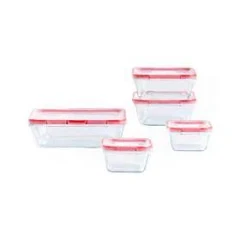
- Borosilicate glass containers with plastic lids (PP/TPE closure material unspecified)
- Microplastics
4 hazards checked on this product, all on its full breakdown.
More food storage containers grades
How we score, every product runs through the same public 0-100 rubric based on materials, coatings, brand disclosure, lab findings, and recalls. See the full methodology → Spotted a mistake? Report an error.