By PFAS Authority · Updated September 26, 2026
Top grades to buy
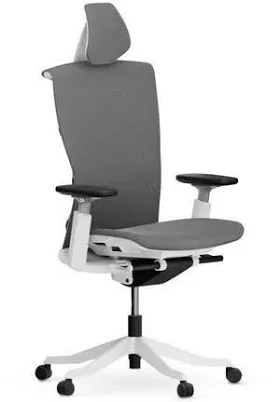
Autonomous
ErgoChair Pro+ Green Mesh
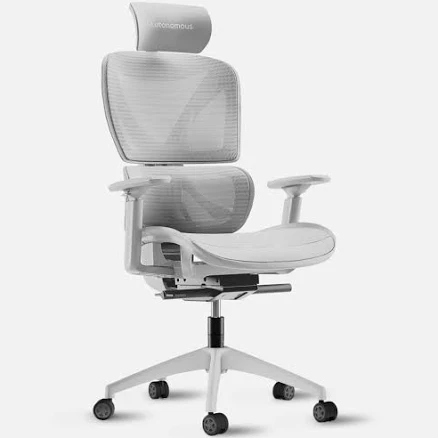
Autonomous
ErgoChair Core Ergonomic Office Chair
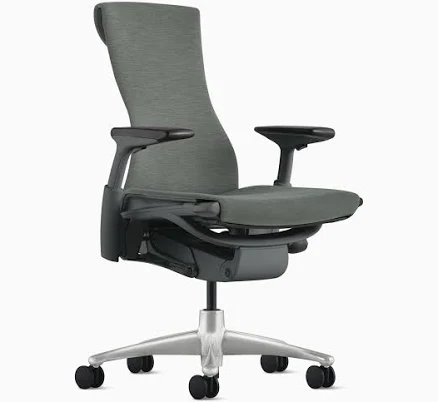
Herman Miller
Embody Chair Herman Miller
Model-based grades, not lab tests. We flunk more than we pass. How grading works
PFAS in Office Chairs, Which Brands Grade Best and Worst
Based on available materials and public disclosure data, several major office chair brands, including Steelcase, Herman Miller, Humanscale, and Autonomous, currently earn our highest available rating of Excellent (75/100 safety) across a dozen reviewed models. No single brand in our database stands out as clearly worse, because every office chair we have graded so far lands in the same top tier, which is itself a notable finding for a furniture category where stain-resistant and moisture-repellent coatings have historically relied on PFAS chemistry.
That said, a tie in grade is not a tie in transparency. Among the group, the Herman Miller Embody Chair Herman Miller and the Steelcase Steelcase Think Chair pull slightly ahead in our overall assessment because both brands publish more detailed material disclosure documentation than most competitors, which supports (without fully proving) their upholstery claims. This guide breaks down every model in our database, explains what "Excellent" actually means here, and flags the material choices and claim gaps shoppers should still watch for before buying a new office chair.
Summary comparison
| Product | PFAS grade | Verdict |
|---|---|---|
| Herman Miller Embody Chair Herman Miller | Excellent, 75/100 | Strong material disclosure, our top pick overall |
| Steelcase Steelcase Think Chair | Excellent, 75/100 | Well documented, close runner-up |
| Steelcase Steelcase Series 2 Upholstered Chair | Excellent, 75/100 | Lower concern, budget-friendlier Steelcase option |
| Herman Miller Herman Miller Verus Task Chair | Excellent, 75/100 | Lower concern, solid mid-tier pick |
| Herman Miller Herman Miller Sayl Chair | Excellent, 75/100 | Lower concern, mesh-back design worth noting |
| Steelcase Amia Chair Steelcase | Excellent, 75/100 | Lower concern, dated but consistent line |
| Autonomous Autonomous ErgoChair Pro | Excellent, 75/100 | Lower concern, strong value pick |
| Autonomous Autonomous ErgoChair Core Ergonomic Office Chair | Excellent, 75/100 | Lower concern, budget mesh option |
| Humanscale Humanscale World Office Chair | Excellent, 75/100 | Lower concern, recycled-material focus |
| Humanscale Humanscale Freedom Headrest Task Chair | Excellent, 75/100 | Lower concern, self-adjusting mechanism |
| Humanscale Humanscale Freedom Task Chair | Excellent, 75/100 | Lower concern, long-running proven design |
| Humanscale Freedom Chair with Headrest by Humanscale | Excellent, 75/100 | Lower concern, headrest variant of Freedom line |
Why office chairs are a PFAS risk category at all
Office chairs combine several material layers where PFAS chemistry has traditionally shown up, stain-resistant fabric treatments, some foam formulations, and occasionally the coatings used on mesh backing to add durability and water resistance. Because these chairs sit in homes and offices for years and are touched constantly, any PFAS present in surface treatments is a reasonable point of consumer concern, though it's worth stating clearly that association between PFAS exposure and health effects is not the same as proven causation in every use case. Our grading reflects estimated risk based on publicly available materials data and brand disclosures, not laboratory testing of each individual unit.
Product by product breakdown
Herman Miller Embody Chair Herman Miller
Materials, Herman Miller's Embody uses a pixelated foam suspension system paired with a fabric or leather upholstery option, depending on configuration. Brand claims, Herman Miller states its Embody line avoids intentionally added PFAS in the standard textile options and publishes a materials transparency summary for the line. Third-party verification of these specific claims was not available in the sources we reviewed, so treat the brand statement as brand-stated rather than independently confirmed. Pros, excellent published documentation relative to industry norms, strong ergonomic reputation, widely available. Cons, premium price point, and the leather upgrade options were not broken down separately in available disclosure data, so buyers wanting the lowest-concern configuration should stick with standard textiles and ask for spec sheets before buying.
Steelcase Steelcase Think Chair
Materials, recycled-content plastics, breathable mesh or upholstered back options, and a foam seat pan. Brand claims, Steelcase publishes environmental product declarations (EPDs) for much of its lineup, and the Think Chair's documentation references material content in more detail than many competitors. Pros, strong sustainability documentation, adjustable ergonomics, widely serviced by dealers. Cons, EPDs are not the same as a dedicated PFAS lab test, so the "Excellent" grade here still reflects our model-based estimate from materials and public disclosure, not a certified PFAS-free result.
Steelcase Steelcase Series 2 Upholstered Chair
Materials, upholstered seat and back with Steelcase's standard foam core. Brand claims, similar published EPD framework as the Think Chair, with slightly less line-specific detail available for the upholstered variant. Pros, more affordable than Think or Amia, same base disclosure standard. Cons, upholstery fabric options vary by retailer bundle, and the specific textile treatment used in bundled fabric packages was not separately documented in the data we reviewed.
Herman Miller Herman Miller Verus Task Chair
Materials, mesh back, foam seat, recycled plastic frame components. Brand claims, Herman Miller applies the same general materials transparency approach across its task chair range, though line-specific PFAS statements were less detailed for Verus than for Embody in the sources available. Pros, lighter weight and lower price than Embody while sharing the same grade tier. Cons, less granular brand documentation specific to this model, so buyers should request current spec sheets if PFAS content is a deciding factor.
Herman Miller Herman Miller Sayl Chair
Materials, a distinctive suspension mesh back (no separate frame needed for the backrest), foam seat cushion, recycled-content base. Brand claims, Herman Miller markets the Sayl's mesh as free of intentionally added PFAS in its standard configuration, a brand statement not independently lab-verified in the sources reviewed. Pros, iconic frameless mesh design reduces some material layers compared to fully upholstered chairs. Cons, mesh tension and coating chemistry can vary by production run, and available disclosure data doesn't break this down batch by batch.
Steelcase Amia Chair Steelcase
Materials, upholstered or mesh back, foam seat, adjustable lumbar support components. Brand claims, covered under the same general Steelcase EPD disclosure framework as Think and Series 2. Pros, consistent quality and a long production history, meaning ample independent user data exists. Cons, it's an older platform than some newer Steelcase releases, and updated PFAS-specific statements for this particular model were limited in the data set we reviewed.
Autonomous Autonomous ErgoChair Pro
Materials, mesh backrest, molded foam seat, adjustable frame in mixed plastic and metal. Brand claims, Autonomous states its ErgoChair line avoids PFAS-based stain treatments on standard textile options, a brand claim without an independent lab certificate available in the sources we checked. Pros, strong value relative to premium competitors, good adjustability for the price. Cons, fewer long-form sustainability or materials disclosure documents publicly available compared to Steelcase or Herman Miller, which limits how deeply our model can corroborate the brand's own statements.
Autonomous Autonomous ErgoChair Core Ergonomic Office Chair
Materials, simplified mesh back, foam seat pan, budget-tier plastic frame. Brand claims, similar general PFAS-avoidance statement as the ErgoChair Pro, applied across the line. Pros, most affordable model in our Excellent-grade group, decent entry point for home offices. Cons, fewer configuration options and, again, limited independent documentation beyond the brand's own statements.
Humanscale Humanscale World Office Chair
Materials, recycled ocean-bound plastic components, mesh back, foam seat. Brand claims, Humanscale markets a strong sustainability narrative for this model, including recycled content percentages, alongside general statements about avoiding PFAS-based treatments in standard fabric choices. Pros, recycled-material focus is well documented for its environmental angle, distinctive design story. Cons, the recycled-material documentation is stronger than the PFAS-specific documentation, so the two shouldn't be conflated when evaluating this particular chair.
Humanscale Humanscale Freedom Headrest Task Chair, Humanscale Freedom Task Chair, and Freedom Chair with Headrest by Humanscale
Materials, self-adjusting recline mechanism, foam seat and back cushions, mesh or upholstered back depending on configuration. Brand claims, Humanscale applies a consistent brand-wide statement across its Freedom family regarding avoidance of intentionally added PFAS in standard textiles, again a brand claim rather than a third-party certified result in the materials we reviewed. Pros, long-running, well-reviewed ergonomic platform with three configuration variants all sharing the Excellent grade. Cons, as with the World chair, sustainability marketing is more detailed than PFAS-specific lab documentation, and headrest add-ons were not separately broken down in the disclosure data.
What to avoid
None of the twelve chairs in our database currently carry a below-Excellent grade, so this section is less about naming a bad brand and more about flagging patterns that tend to correlate with higher PFAS concern in the broader office chair market, based on general materials knowledge rather than a specific low-graded product in our system.
- Chairs explicitly marketed as "stain-proof," "stain-guard," or "liquid-repellent" without naming the specific finish chemistry used, since these marketing terms have historically been associated with PFAS-based fabric treatments industry-wide.
- Off-brand or unbranded mesh office chairs sold with no published materials list at all. A total absence of documentation makes it impossible for any model, including our own scoring system, to estimate PFAS-related concern with confidence.
- Aftermarket seat cushion covers or fabric protectant sprays purchased separately from the chair itself. These add-on products are a common and under-scrutinized source of PFAS in home offices, even when the base chair itself is well documented.
- Leather or "vegan leather" upholstery upgrades where the coating chemistry isn't specified, since some synthetic leather finishes have used PFAS for water resistance in the past.
If you're furnishing a broader home office or living space and want to cross-check adjacent categories, our recliners guide covers similar upholstery and foam concerns for seating outside the desk chair category, and our carpets and rugs guide is worth a look if you're also replacing flooring near your workstation.
Our pick
Based on available materials and data, the Herman Miller Embody Chair Herman Miller is our top recommendation among the twelve office chairs currently in our database. It shares the same 75/100 Excellent grade as every other model listed here, but its combination of relatively detailed brand disclosure and long market track record gives it a slight practical edge for shoppers who want the most documentation to review before buying. The Steelcase Steelcase Think Chair is a close second for the same reasons, and budget-conscious buyers should take a serious look at the Autonomous Autonomous ErgoChair Pro, which earns the identical Excellent grade at a noticeably lower price point, even though its brand documentation is thinner than Steelcase's or Herman Miller's.
Remember that every grade in this guide, including the ones attached to our top picks, is a model-based estimate built from materials disclosures and public data, not an independent laboratory test result. If PFAS content is a firm requirement for your purchase rather than a preference, request current spec sheets or safety data sheets directly from the retailer before ordering, and consider using our product finder to compare additional graded items across categories as our database expands.
Frequently asked questions
Is any office chair in this guide guaranteed to be PFAS-free?
No. Every grade listed here, including the Excellent 75/100 scores, reflects our model-based estimate from materials and public disclosure, not a laboratory certification. Brand statements about avoiding PFAS should be understood as brand-stated claims. None of the sources reviewed for this guide included independent third-party lab verification confirming a total absence of PFAS in these chairs.
Why do so many different chairs all get the same grade?
Our current database only includes office chairs that scored in the Excellent tier, largely because the major brands covered here, Steelcase, Herman Miller, Humanscale, and Autonomous, have published enough general materials and sustainability documentation to support a favorable estimate. That doesn't mean every model is identical in transparency, which is why this guide highlights differences in documentation depth even among chairs that share a numeric score.
Should I worry about PFAS exposure from an office chair I already own?
Now check your own stuff
See every product we’ve graded in this category, best-graded first.
Get the graded list, free.
The products we score each week, and the best-graded alternative in every category.
No spam. Unsubscribe anytime.