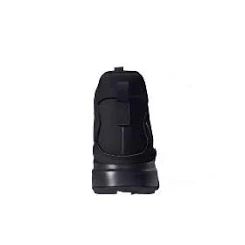
adidas Men's Terrex Anylander Mid Rain.Rdy Hiking Shoes
water-repellent coating hiking shoes lack PFAS transparency; wait for brand disclosure.
Adidas Terrex rain hiking shoes use water-repellent coating water-resistant treatment but provide no public PFAS information. Standard outdoor shoe coatings often contain PFAS; Adidas has not confirmed PFAS-free status for this model.
Still want this one anyway? Check the price on Amazon. We’d swap it.
Material
Textile upper with water-repellent coating
Lab data
No public lab test
You may also be interested in
Top-graded picks in the categories readers replace first, every one scored on the same rubric.

- polypropylene filter housing, carbon/sediment cartridge
- We found no PFAS statement from the brand
- Bacterial growth in spent cartridges
3 hazards checked on this product, all on its full breakdown.

Aquasure
Premier Series 75 GPD Under Sink Reverse Osmosis Water Filtration System
- RO membrane, carbon filters, stainless steel housing
- We found no PFAS statement from the brand
- Bacterial and microbial growth in housing and filters
4 hazards checked on this product, all on its full breakdown.

Avocado
Vegan Mattress
- organic cotton, natural latex, coconut coir, recycled steel coils
- The brand calls it PFAS-free, which we have not verified
- Heavy metals
2 hazards checked on this product, all on its full breakdown.
What adidas Men's Terrex Anylander Hiking Shoes is made of, ingredients and materials
Adidas Terrex Anylander Mid uses a textile upper (likely synthetic mixed-fiber mesh or nylon) with a water-repellent coating (water-repellent coating) coating applied to the surface. water-repellent coating coatings on textiles commonly contain fluorinated compounds (PFAS) to achieve water-shedding performance, though Adidas has not disclosed the specific chemistry. The midsole and outsole are typically thermoplastic polyurethane or rubber compounds; these carry lower inherent toxicity risk but depend on manufacturing quality.
What’s concerning
Waterproof / stain-resistant treatment
Water-repellent coating treatments have historically used PFAS.
Category baseline
The starting point for this type of product, before anything specific to this product is counted.
No PFAS disclosure
No public statement from the brand about PFAS in this product.
Formaldehyde / VOCs
Synthetic textile uppers may contain small amounts of formaldehyde-releasing resins used to set dyes or add crease resistance. Adidas does not publicly certify formaldehyde-free production for this model; levels are typically below regulatory limits but not zero.
Source, ATSDR ↗Azo dyes in colored synthetic fabrics
The shoe's colored nylon/polyester upper may be dyed with azo compounds; while regulated in the EU, some azo dyes can break down under sweat and heat to form carcinogenic amines. No third-party testing is on record for this specific product.
Antimony in polyester components
Polyester textiles and synthetic rubbers may contain antimony trioxide as a catalyst; typical exposure is negligible through intact fabric, but degradation over time or washing can increase migration. Adidas does not report antimony content or limits for this line.
water-repellent coating degradation and leaching
Fluorinated and non-fluorinated water-repellent coating coatings gradually wear or strip through washing and UV exposure; worn coatings may leach unreacted monomers or degradation byproducts into sweat or soil. Lifespan is typically 1-2 years before reapplication is needed.
What’s reassuring
Lead
Adidas sourcing typically meets EU and US limits for heavy metals in colorants; no recalls or testing evidence suggests exceedance for this model, though independent verification is not publicly available.
Source, ATSDR ↗How is this PFAS grade calculated?
The brand's record and disclosure
Adidas has not publicly committed to PFAS-free water-repellent coating alternatives or disclosed which products use fluorinated vs non-fluorinated water repellents. The brand has faced criticism from environmental groups for PFAS use in performance footwear lines but has not issued a detailed remediation timeline. No major product recalls for chemical hazards in this model are on record. Adidas does hold ISO 14001 environmental certification, but this does not mandate PFAS phase-out.
How it compares in its category
Most mainstream hiking shoes in the mid-range (Merrell, Salomon, The North Face) use similar water-repellent coating-coated textile uppers; PFAS presence is industry-standard unless explicitly labeled 'PFAS-free.' High-end alternatives (Patagonia, some Scarpa models) now offer certified PFAS-free water-repellent coating options, though at higher cost. Budget and mid-market brands rarely disclose water-repellent coating chemistry, making direct comparison difficult. Adidas' silence is consistent with competitors but not a safety advantage.
If you buy it
Wash the shoe in cool water (under 40C) with mild soap; heat can degrade the water-repellent coating and potentially release trapped chemicals. Air dry only; never machine wash or tumble dry. Reapply water-repellent coating spray (formulations with lower PFAS concern available) every 12-18 months or when water no longer beads. Replace the shoe when upper seams fail or the midsole flattens (typically 400-600 miles), as degradation may increase leaching risk. Store dry in a cool place to minimize compound volatilization.
What is not known about PFAS in this product?
- Basis
- Model estimate, 35% confidence, not a lab result
- Lab test
- None on record for this exact product
- Brand statement
- Adidas has made a specific claim
Formulations change between production runs, so check the current label. How we grade.
What are the PFAS-free alternatives to adidas Men's Terrex Anylander Mid Rain.Rdy Hiking Shoes?
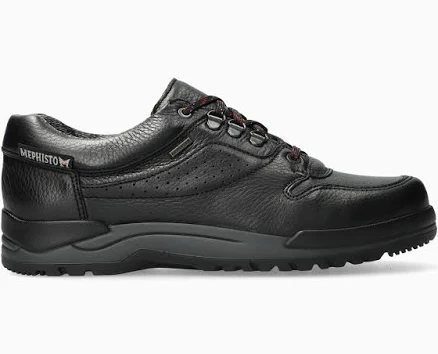
- leather, textile, rubber sole
- We found no PFAS statement from the brand
- Volatile organic compounds (VOC) off-gassing from adhesives
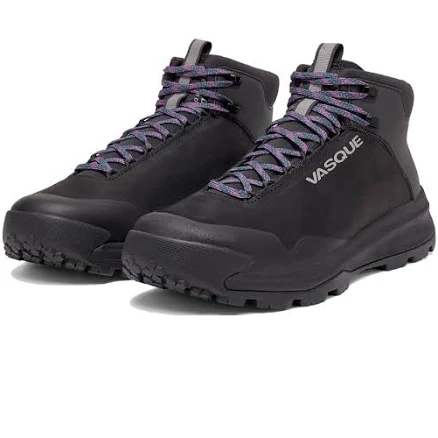
- Leather/nubuck upper, synthetic/rubber sole, no coating disclosed
- We found no PFAS statement from the brand
- Azo dyes (leather/textile coloring)
4 hazards checked on this product, all on its full breakdown.
Find an alternative on AmazonMore waterproof boots grades
How we score, every product runs through the same public 0-100 rubric based on materials, coatings, brand disclosure, lab findings, and recalls. See the full methodology → Spotted a mistake? Report an error.