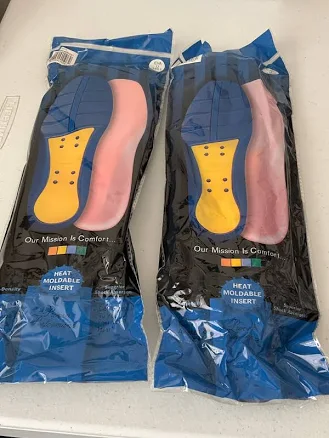
Adidas · Synthetic Athletic Insoles & Orthotics
Adidas Price For 1-Only2-Dr.Comfort Heat Moldable Insoles
Standard shoe without known PFAS risk signals.
These shoes feature textile uppers and rubber soles with foam insoles, with no public evidence of waterproof or stain-resistant coatings. The brand discloses nothing about PFAS.
Still want this one anyway? Check the price on Amazon. We’d swap it.
Material
Textile upper, rubber sole, foam insoles
Lab data
No public lab test
You may also be interested in
Top-graded picks in the categories readers replace first, every one scored on the same rubric.

Aqua Pure
3M Aqua-Pure AP802B Whole House Filter Housing
- polypropylene filter housing, carbon/sediment cartridge
- We found no PFAS statement from the brand
- Bacterial growth in spent cartridges
3 hazards checked on this product. See all of them.

Aquasure
Premier Series 75 GPD Under Sink Reverse Osmosis Water Filtration System
- RO membrane, carbon filters, stainless steel housing
- We found no PFAS statement from the brand
- Bacterial and microbial growth in housing and filters
4 hazards checked on this product. See all of them.

Avocado
Vegan Mattress
- organic cotton, natural latex, coconut coir, recycled steel coils
- The brand calls it PFAS-free, which we have not verified
- Heavy metals
2 hazards checked on this product. See all of them.
What Adidas Price For 1-Only2-Dr.Comfort Heat is made of, ingredients and materials
This shoe combines a textile upper, rubber sole, and foam insoles. The textile upper is typically woven polyester or nylon, which can be treated with dyes and finishing resins during manufacturing. Rubber soles are generally stable when used normally. Foam insoles (described as "heat moldable") are usually EVA or polyurethane foam, both of which are chemically inert at room temperature but can off-gas lightly during initial use or if exposed to sustained heat above their design limits.
What’s concerning
Category baseline
The starting point for this type of product, before anything specific to this product is counted.
No PFAS disclosure
No public statement from the brand about PFAS in this product.
Azo dyes in textile upper
Standard athletic shoe textiles are conventionally dyed and may contain azo compounds, which can release aromatic amines under certain conditions (sweat, friction). Adidas RSL restricts some azo dyes but does not guarantee this specific shoe is azo-free; no test data on record.
Formaldehyde / VOCs
Fabric finishing and wrinkle-resistance treatments may include formaldehyde-releasing resins. Levels in athletic shoes are typically low, but prolonged skin contact and moisture can increase exposure; no brand-specific testing disclosed.
Source, ATSDR ↗EVA or polyurethane foam off-gassing
Moldable foam insoles may emit volatile organic compounds (VOCs) or light odors during the first few days of use. This is not acutely hazardous at typical ventilation levels but may irritate sensitive airways; dissipates with airing.
What’s reassuring
Base material not linked to PFAS
The main material recorded for this product is not one associated with PFAS.
Adhesive and glue residues in sole assembly
Rubber-to-textile bonds typically use industrial adhesives that cure fully before sale. No known leaching or off-gassing issues are established for Adidas standard shoes; long-term wear does not trigger degradation of these bonds.
Cadmium
Antimony is used as a catalyst in polyester production but does not migrate into wearable layers. Cadmium and lead in shoe dyes are restricted under EU and US regulations; Adidas compliance with RSL is assumed but not independently verified for this line.
Source, ATSDR ↗The full breakdown
The brand's record and disclosure
Adidas has faced pressure on chemical transparency and has published a restricted substances list (RSL) covering some synthetic dyes and finishes, but does not publicly certify individual shoe lines or disclose PFAS status. The company has not published comprehensive hazard testing for standard athletic shoes. No major recalls or established safety violations are on record for this model type. Brand transparency on insole-specific chemicals is limited.
How it compares in its category
Athletic shoes at this price point typically use untreated textile uppers and standard EVA or polyurethane foam insoles, placing this product in the mainstream safety profile for casual/sport footwear. Moldable foam insoles are a common feature and do not inherently pose a hazard if not overheated. Some premium brands offer certified low-chemical textiles; Adidas does not advertise this for standard lines, so assume conventional dyeing and finishing.
If you buy it
Air the shoes in a well-ventilated space for 24-48 hours after purchase to allow initial foam off-gassing to dissipate. Do not heat-mold the insoles above 65-70C (manufacturer guidance varies; check packaging) or use a heat source directly; use warm water or body heat instead. Replace insoles if foam compresses or delaminates after 6-12 months of regular wear. Wash uppers by hand or machine on gentle cycle; avoid bleach, which can degrade dye stability.
What we don’t know
- Basis
- Model estimate, 60% confidence, not a lab result
- Lab test
- None on record for this exact product
- Brand statement
- Adidas has made a specific claim
Formulations change between production runs, so check the current label. How we grade.
More synthetic athletic insoles & orthotics grades
How we score, every product runs through the same public 0-100 rubric based on materials, coatings, brand disclosure, lab findings, and recalls. See the full methodology → Spotted a mistake? Report an error.