
Alo Moxie Bikini
Low-medium risk. Standard bikini with no known water-repellent coating finish, brand discloses nothing.
This nylon-blend bikini has no publicly disclosed water-resistant or stain-guard coating. Without added water-repellent coating finishes, nylon swimwear typically carries lower PFAS risk, but the brand offers no transparency.
The better-graded swap
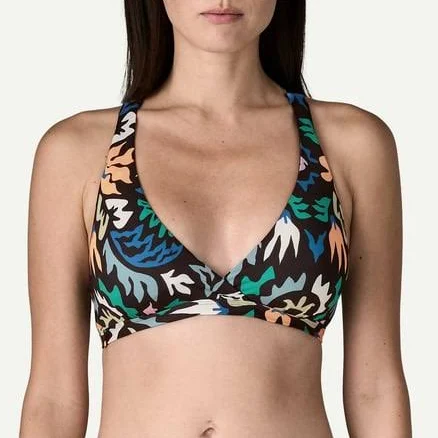
Patagonia
Patagonia Women's Bottom Turn Racerback Bikini Top
90/100 safety
Same rubric that flunked this product. The swap earned Excellent.
Still want this one anyway? Check the price on Amazon. We’d swap it.
Material
Nylon blend (primary); no reported water/stain-resistant treatment specified
Brand disclosure
Brand is silent on PFAS
Lab data
No public lab test
What Alo Moxie Bikini is made of, ingredients and materials
The Alo Moxie Bikini is constructed from a nylon blend, a synthetic polymer chosen for stretch, durability, and quick-dry performance in swimwear. Nylon itself is chemically stable in normal use and does not leach harmful compounds like BPA or phthalates, which are concerns mainly in food-contact plastics and vinyl. The hazard profile for nylon swimwear centers on dyes, finishes applied during manufacturing, and any water-resistant coatings, not the base fiber itself.
What’s concerning
Category baseline
The starting point for this type of product, before anything specific to this product is counted.
No PFAS disclosure
No public statement from the brand about PFAS in this product.
Heavy metals
Nylon swimwear is often dyed with acid or disperse dyes; no safety data sheet or dye restriction policy has been published by Alo for this product. Heavy metals in synthetic textile dyes (lead, cadmium, chromium) can migrate during wear and contact with skin, though risk is low in water-rinsed fabrics.
Source, FDA ↗Elastane degradation and microfiber shedding
Nylon blend swimwear typically incorporates elastane (Lycra) for stretch. Repeated sun exposure, chlorine, and salt water break down elastane elasticity and can release microfibers into water; this is inherent to the material class, not specific to Alo, but occurs faster if elastic is overtensioned during wear.
Synthetic dye allergen sensitivity
Individuals with sensitive skin or contact dermatitis may react to disperse dyes used in nylon; reactions are not brand-specific but depend on individual tolerance and dye choice, which Alo does not disclose.
What’s reassuring
Base material not linked to PFAS
The main material recorded for this product is not one associated with PFAS.
Formaldehyde / VOCs
No evidence of formaldehyde-containing wrinkle-resist or sizing treatments in nylon swimwear at this tier; however, Alo provides no material safety certification, so presence cannot be ruled out. Risk is minimal if garment is rinsed before first wear.
Source, ATSDR ↗The full breakdown
The brand's record and disclosure
Alo Yoga has not publicly disclosed material sourcing, dye standards, or chemical treatment protocols for this bikini or broader swimwear line. The brand maintains a silent stance on PFAS, which is typical among fashion labels but means no independent verification of water-repellent coating-free claims. No recalls, safety alerts, or substantiated controversies specific to Alo swimwear have been documented in public health records.
How it compares in its category
Most nylon swimwear at this price point and brand tier carries similar undisclosed chemical risk; Alo sits in the mainstream middle. Some competitors (e.g., Patagonia) publish fiber certifications and dye standards; others disclose nothing. The absence of a stated water-resistant finish on this model is actually favorable, as water-repellent coating coatings are the primary PFAS vector in swimwear. This positions the Moxie as lower-risk than treated performance lines.
If you buy it
Rinse the bikini in fresh water after ocean or chlorinated use to remove salt and chemicals that can degrade nylon over time. Wash by hand in cool water with mild detergent; avoid hot water and bleach, which weaken synthetic fibers and accelerate coating failure if any finish is present. Air dry away from direct sunlight to preserve elasticity. Replace when elastic fails, fabric thins, or seams separate, typically after 2-3 seasons of regular use.
What we don’t know
- Basis
- Model estimate, 72% confidence, not a lab result
- Lab test
- None on record for this exact product
- Brand statement
- Alo Yoga has made none
Formulations change between production runs, so check the current label. How we grade.
Better-graded alternatives in Swimwear
Patagonia
Women's Bottom Turn Racerback Bikini Top
- Nylon/polyester blend with elastane (standard swimwear)
- The brand calls it PFAS-free, which we have not verified
- Elastane (spandex) degradation under heat or chlorine
More swimwear grades
How we score, every product runs through the same public 0-100 rubric based on materials, coatings, brand disclosure, lab findings, and recalls. See the full methodology → Spotted a mistake? Report an error.