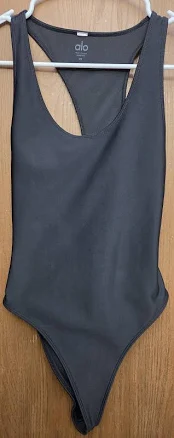
Alo Women's Black Xs One Piece Swimsuit
Lower PFAS concern for basic swimsuit, but Alo makes no public disclosure.
This is a standard nylon-spandex one-piece without known coating or water-repellent finish requiring PFAS. Alo Yoga doesn't disclose PFAS practices or hold third-party certifications. Confidence is moderate because swimwear rarely needs water-repellent coating, but no public commitment to PFAS avoidance exists.
The better-graded swap
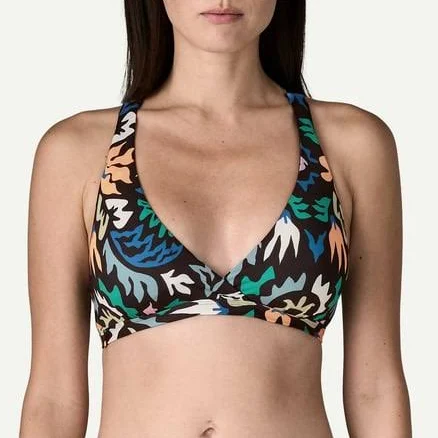
Patagonia
Patagonia Women's Bottom Turn Racerback Bikini Top
90/100 safety
Same rubric that flunked this product. The swap earned Excellent.
Still want this one anyway? Check the price on Amazon. We’d swap it.
Material
Nylon/spandex blend swimsuit fabric
Brand disclosure
Brand is silent on PFAS
Lab data
No public lab test
What Alo Women's Black Xs One Piece Swimsuit is made of, ingredients and materials
This swimsuit is a nylon-spandex (elastane) blend, the industry standard for performance swimwear. Nylon is a synthetic polyamide that resists chlorine and saltwater degradation better than natural fibers. Spandex provides stretch and shape retention but degrades faster than nylon, typically requiring replacement every 1-2 years with regular pool use. The dye chemistry and any applied coatings are the primary chemical exposure points during wear.
What’s concerning
Category baseline
The starting point for this type of product, before anything specific to this product is counted.
No PFAS disclosure
No public statement from the brand about PFAS in this product.
Azo dyes and synthetic colorants
Black nylon swimwear requires robust synthetic dyes; Alo does not disclose dye chemistry or restrictions on azo compounds, which can leach under chlorine or heat. No known allergic reactions or regulatory violations reported for this brand.
Spandex degradation and microfiber shedding
All spandex swimwear sheds microfibers with age and wear, especially in chlorinated environments. This is a material-class issue, not brand-specific, but accelerates if washed in hot water or machine dried. Magnitude is minor for occasional use, significant for competitive swimmers.
Formaldehyde / VOCs
Nylon fabrics may be treated with formaldehyde resins for wrinkle resistance or dimensional stability during manufacturing. Alo provides no material safety data sheet disclosure; levels would typically off-gas during first few washes and diminish significantly after.
Source, ATSDR ↗Allergen sensitivity to spandex or dyes
Spandex and synthetic textile dyes are known contact allergens in a small percentage of users (typically 1-3%). Alo does not pre-screen or warn about this. Risk is addressable by patch testing or rinsing thoroughly before first wear.
What’s reassuring
Base material not linked to PFAS
The main material recorded for this product is not one associated with PFAS.
Heavy metals
Black dyes for nylon can contain trace metals (copper, cobalt) if not properly formulated. No published incidents or testing results for Alo Yoga swimwear; this hazard is monitored at industry level but not brand-reported.
Source, FDA ↗The full breakdown
The brand's record and disclosure
Alo Yoga does not publicly disclose material safety testing, chemical restrictions, or third-party certifications (such as OEKO-TEX or Bluesign) for its swimwear line. The brand has no documented recalls or safety violations on record for this product type. Their PFAS stance remains undisclosed, making full transparency assessment impossible; however, basic nylon-spandex swimwear typically carries lower PFAS risk than water-repellent or heavily coated variants.
How it compares in its category
This product sits in the mainstream mid-market segment. Competitors offering certified sustainable or low-chemical alternatives (Patagonia, Girlfriend Collective with OEKO-TEX) provide documented hazard reduction, while fast-fashion equivalents often have identical material profiles without brand accountability. Alo's pricing and lack of third-party certification places it in a middle position, acceptable chemistry by material type alone, but without independent verification.
If you buy it
Rinse immediately after pool or saltwater use to prevent chlorine degradation and dye leaching. Avoid high heat (machine dry, direct sun for extended periods) as it accelerates spandex breakdown and can volatilize residual dyes. Hand wash in cool water with mild detergent; expect color fading and elasticity loss after 40-60 wears with heavy chlorine exposure. Replace when spandex no longer recovers from stretch, typically 12-24 months depending on use frequency.
What we don’t know
- Basis
- Model estimate, 72% confidence, not a lab result
- Lab test
- None on record for this exact product
- Brand statement
- Alo Yoga has made none
Formulations change between production runs, so check the current label. How we grade.
Better-graded alternatives in Swimwear
Patagonia
Women's Bottom Turn Racerback Bikini Top
- Nylon/polyester blend with elastane (standard swimwear)
- The brand calls it PFAS-free, which we have not verified
- Elastane (spandex) degradation under heat or chlorine
More swimwear grades
How we score, every product runs through the same public 0-100 rubric based on materials, coatings, brand disclosure, lab findings, and recalls. See the full methodology → Spotted a mistake? Report an error.