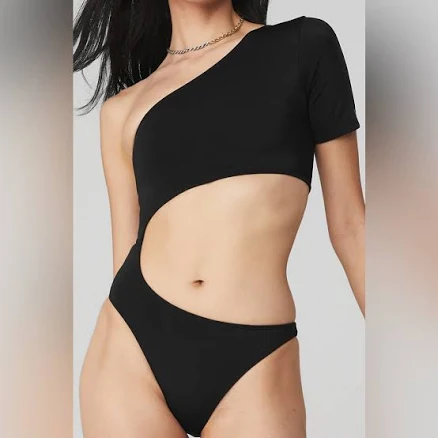
Alo Yoga Alo Body Wave One-Piece Bodysuit
Low-medium risk. Basic stretch wear with no water-repellent coating treatment, brand transparency lacking.
This nylon-blend stretch bodysuit carries no reported water-repellent or stain-resistant finish. Untreated stretch athletic wear poses lower PFAS risk than coated outerwear, though the brand does not disclose suppliers or chemical treatments.
The better-graded swap
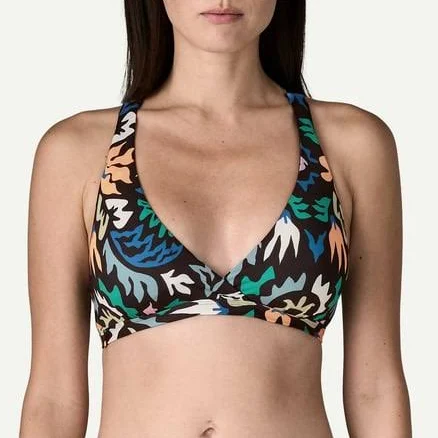
Patagonia
Patagonia Women's Bottom Turn Racerback Bikini Top
90/100 safety
Same rubric that flunked this product. The swap earned Excellent.
Still want this one anyway? Check the price on Amazon. We’d swap it.
Material
Nylon blend (primary fiber); elastic/spandex blend construction
Brand disclosure
Brand is silent on PFAS
Lab data
No public lab test
What Alo Yoga Alo Body Wave One-Piece Bodysuit is made of, ingredients and materials
Alo Body Wave is primarily nylon with spandex elastane blend, a standard high-performance swimwear construction. Nylon itself is a stable synthetic polymer with no known leaching of toxic monomers under normal wear conditions. The spandex provides stretch and recovery but introduces a potential for dye migration or finish residues if washing is improper. No data suggests this specific garment uses water-repellent (water-repellent coating) coatings that would introduce PFAS as a primary concern.
What’s concerning
Category baseline
The starting point for this type of product, before anything specific to this product is counted.
No PFAS disclosure
No public statement from the brand about PFAS in this product.
Azo dyes and color fastness
Nylon readily accepts synthetic azo dyes used in vibrant swimwear colors. No specific testing on this Alo product is public; poor color fastness can release azo metabolites in sweat or chlorinated water. Rinsing before first wear and in cool water post-swim reduces migration risk.
Spandex finish residues and volatiles
Spandex is commonly treated with finish chemicals (e.g., lubricants, softeners) that can off-gas or migrate in warm/wet conditions. No formaldehyde or 1,4-dioxane is inherent to nylon-spandex fiber composition, but processing residues are not publicly disclosed for Alo products.
Microplastic shedding on degradation
Nylon-spandex blends shed microfibers with normal wear and washing, particularly as elastane breaks down over time. This is a use-phase environmental hazard rather than direct skin toxicity, but accumulates with each wash cycle.
Contact dermatitis from dyes or finishes
Synthetic dyes and processing chemicals can trigger sensitivity in individuals with reactive skin, though severe reactions are rare. Rinsing thoroughly and wearing over a base layer if irritation develops are practical mitigations.
What’s reassuring
Base material not linked to PFAS
The main material recorded for this product is not one associated with PFAS.
Formaldehyde / VOCs
Nylon and spandex do not inherently require formaldehyde-based fabric finishing (unlike cotton blends or wool). No evidence links Alo swimwear to formaldehyde residues; this hazard is not a concern for this material class.
Source, ATSDR ↗The full breakdown
The brand's record and disclosure
Alo Yoga has not published detailed material safety disclosures, chemical transparency reports, or third-party certifications (e.g., GOTS, OEKO-TEX) for this line. The brand markets lifestyle and wellness positioning but remains silent on textile testing or chemical management. No recalls or substantiated contamination incidents are on record for Alo swimwear. This silence reflects broader luxury activewear industry practice rather than a documented red flag.
How it compares in its category
Nylon-spandex blends dominate mainstream swimwear; Alo's construction is typical for mid-to-premium brands. Competitors like Lululemon and Outdoor Voices similarly lack granular chemical disclosure. Brands with formal OEKO-TEX or GOTS certification (e.g., Patagonia, some Athleta pieces) offer higher documented safety assurance. Price point and material choice place Alo in a mainstream safety tier, not above or below peers.
If you buy it
Rinse in cool water immediately after salt or chlorine exposure to reduce residue buildup and dye bleeding into skin. Avoid hot water and machine drying, which can degrade spandex and release volatile finish chemicals. Inspect seams and fabric for pilling or degradation annually; replace if elasticity fails significantly or fabric becomes thin, as worn synthetic fibers shed microplastics. Store dry in a cool place to prevent mildew growth, which may require antimicrobial treatment if garment becomes damp for prolonged periods.
What we don’t know
- Basis
- Model estimate, 72% confidence, not a lab result
- Lab test
- None on record for this exact product
- Brand statement
- Alo Yoga has made none
Formulations change between production runs, so check the current label. How we grade.
Better-graded alternatives in Swimwear
Patagonia
Women's Bottom Turn Racerback Bikini Top
- Nylon/polyester blend with elastane (standard swimwear)
- The brand calls it PFAS-free, which we have not verified
- Elastane (spandex) degradation under heat or chlorine
More swimwear grades
How we score, every product runs through the same public 0-100 rubric based on materials, coatings, brand disclosure, lab findings, and recalls. See the full methodology → Spotted a mistake? Report an error.