
Alo Yoga Body Wave Cutout One Shoulder One Piece Bodysuit in Ocean/Teal
Lower PFAS concern for a standard athletic bodysuit, but brand opacity limits assurance.
This nylon-spandex athletic one-piece has no known water-resistant or stain-treatment claims. Alo Yoga makes no PFAS disclosures or certifications. Without independent lab testing or third-party verification, moderate confidence only; routine care further reduces any residual risk.
The better-graded swap
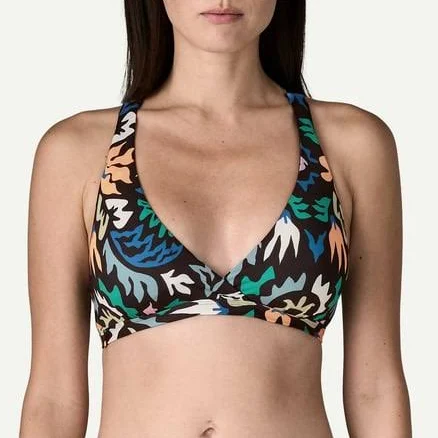
Patagonia
Patagonia Women's Bottom Turn Racerback Bikini Top
90/100 safety
Same rubric that flunked this product. The swap earned Excellent.
Still want this one anyway? Check the price on Amazon. We’d swap it.
Material
Nylon/spandex blend (likely)
Brand disclosure
Brand is silent on PFAS
Lab data
No public lab test
What Alo Yoga Body Wave Cutout One Shoulder is made of, ingredients and materials
This bodysuit is a nylon-spandex (elastane) blend typical of performance swimwear and athletic wear. Nylon is a synthetic polyamide that resists chlorine and saltwater well, while spandex provides stretch and recovery. The dyed ocean/teal colorway requires synthetic dye processes that may introduce azo dyes or heavy metal mordants during manufacturing, though major brands typically avoid restricted azo compounds. The blend itself does not naturally off-gas volatile chemicals like some polyurethane foams, making it relatively stable for direct skin contact.
What’s concerning
Category baseline
The starting point for this type of product, before anything specific to this product is counted.
No PFAS disclosure
No public statement from the brand about PFAS in this product.
Heavy metals
The ocean/teal dye likely involves synthetic colorants; restricted azo dyes are uncommon in major brands but non-banned heavy metal mordants (copper, chromium) may be present. Alo Yoga does not disclose dye testing, so residual heavy metal leaching into sweat cannot be ruled out, though risk is low for occasional swimmers.
Source, FDA ↗Dye bleed and color fastness
Nylon-spandex blends can release loose dye particles, especially on first wears or with improper care. This presents minimal toxicity risk but may cause skin irritation in sensitive individuals and indicates incomplete dye fixation.
Elastane (spandex) degradation and leaching
Spandex degrades under UV, chlorine, and heat; degraded fibers may release oligomers or uncrosslinked polymer fragments. Risk is low during normal use but increases with improper storage (heat, direct sun) or heavy chlorine exposure.
What’s reassuring
Base material not linked to PFAS
The main material recorded for this product is not one associated with PFAS.
Formaldehyde / VOCs
Formaldehyde is occasionally used in nylon fabric finishes for wrinkle resistance or sizing. No public record of formaldehyde in Alo Yoga swimwear; athletic nylon typically uses lower-formaldehyde or formaldehyde-free processes compared to apparel cotton, but Alo does not certify this.
Source, ATSDR ↗Nickel and other allergens in hardware/seams
The one-shoulder cutout design may include metal fasteners or seaming hardware; no public reports of nickel or allergen issues in Alo Yoga swimwear. Standard risk for products with exposed metal stitching or clasps.
The full breakdown
The brand's record and disclosure
Alo Yoga has not published detailed chemical content disclosures, sustainability reports, or third-party certifications (such as GOTS or OEKO-TEX) that would verify dye safety or heavy metal testing. The brand markets itself on aesthetic and wellness positioning but remains largely silent on supply-chain chemical management. No recalls or safety incidents specific to Alo Yoga swimwear are on record in public databases. The PFAS grade of 65/100 reflects lower concern relative to water-resistant coatings, but the company's opacity on dyeing standards limits full assurance.
How it compares in its category
Standard nylon-spandex swimwear from major athletic brands (Nike, Speedo, Lululemon) carries similar baseline hazard profiles. Alo Yoga sits in the mid-to-premium tier without formal third-party certification, unlike some competitors offering GOTS-certified or OEKO-TEX-tested options. The one-shoulder cutout design does not introduce additional chemical risk but may increase UV exposure to unprotected areas. Price and durability positioning suggest moderate usage intensity rather than professional/competitive use, which reduces cumulative chemical exposure over time.
If you buy it
Rinse thoroughly in fresh water immediately after saltwater or chlorine exposure to reduce dye bleed and fiber stress. Wash in cool water with mild detergent; avoid bleach, which can degrade spandex and potentially mobilize trace heavy metals from dyes. Air dry away from direct heat and sunlight to preserve elasticity and color. Replace when elastic no longer recovers or seams separate, typically after 50-100 wear cycles depending on care and frequency.
What we don’t know
- Basis
- Model estimate, 68% confidence, not a lab result
- Lab test
- None on record for this exact product
- Brand statement
- Alo Yoga has made none
Formulations change between production runs, so check the current label. How we grade.
Better-graded alternatives in Swimwear
Patagonia
Women's Bottom Turn Racerback Bikini Top
- Nylon/polyester blend with elastane (standard swimwear)
- The brand calls it PFAS-free, which we have not verified
- Elastane (spandex) degradation under heat or chlorine
More swimwear grades
How we score, every product runs through the same public 0-100 rubric based on materials, coatings, brand disclosure, lab findings, and recalls. See the full methodology → Spotted a mistake? Report an error.