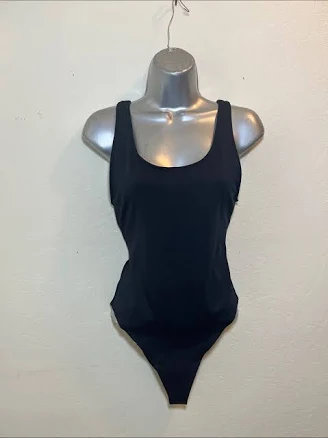
Alo Yoga Swim Alo Black Scoop Neck One-Piece Swimsuit Size M
Lower concern. Standard swimwear with no water-repellent coating treatment claims, but no PFAS disclosure.
Alo Yoga's one-piece is made from typical nylon-polyester swim fabric with no disclosed water-repellent or stain-resistant finish. The brand makes no public statements about PFAS. Without evidence of Teflon-family coating coatings or water-repellent coating treatments, risk is lower than technical swimwear.
The better-graded swap
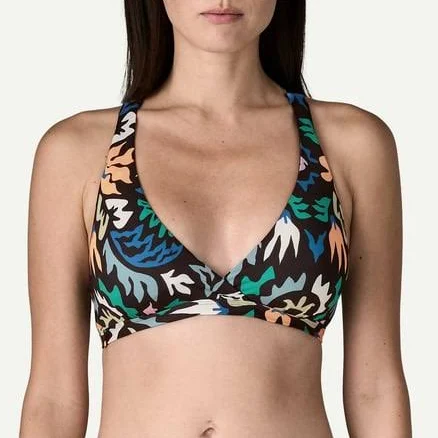
Patagonia
Patagonia Women's Bottom Turn Racerback Bikini Top
90/100 safety
Same rubric that flunked this product. The swap earned Excellent.
Still want this one anyway? Check the price on Amazon. We’d swap it.
Material
Nylon/polyester blend swimsuit fabric (no water-resistant coating disclosed)
Brand disclosure
Brand is silent on PFAS
Lab data
No public lab test
What Alo Yoga Swim Alo Black Scoop Neck is made of, ingredients and materials
This swimsuit is a nylon and polyester blend, the industry standard for chlorine and salt water resistance. Neither material requires water-repellent (water-repellent coating) coatings on basic swimwear, so PFAS fluorochemical treatment is not expected here. Nylon and polyester are synthetic polymers that do not leach significant chemicals into skin or water during normal wear; the hazard profile depends almost entirely on dyes, finishes, and any applied treatments, none of which Alo has disclosed as special or problematic.
What’s concerning
Category baseline
The starting point for this type of product, before anything specific to this product is counted.
No PFAS disclosure
No public statement from the brand about PFAS in this product.
Azo dyes in synthetic textiles
Nylon and polyester swimwear typically use acid or disperse dyes; black colorants may include azo dyes (banned in some EU applications but still legal in US swimwear). No test data on this specific product is available; azo risk is material-class standard, not brand-specific.
Formaldehyde / VOCs
Wrinkle-resistant or shape-retention finishes on nylon/polyester may contain residual formaldehyde from manufacturing; no disclosure from Alo indicates whether this garment received such treatment. Risk is low after normal wear and washing, as formaldehyde volatile off-gasses within days of purchase.
Source, ATSDR ↗Microplastics
All synthetic fiber swimwear sheds microfibers during washing; nylon and polyester contribute to ocean microplastic load. This is an environmental rather than personal-safety hazard, but relevant to informed purchase. Washing in a microfiber filter bag reduces shed.
Source, EPA ↗What’s reassuring
Base material not linked to PFAS
The main material recorded for this product is not one associated with PFAS.
Antimony in polyester
Antimony is used as a polyester catalyst and typically remains bound in the polymer; migration into skin or sweat is negligible under normal wear conditions. No recalls or health incidents linked to swimwear-level polyester antimony exposure are documented.
The full breakdown
The brand's record and disclosure
Alo Yoga is a fashion and activewear brand with a public sustainability messaging focus, but does not publish detailed material safety disclosures, third-party certifications (OEKO-TEX, GOTS), or chemical restricted substance lists for individual products. No recalls or safety incidents specific to Alo swimwear have entered public record. The brand's silence on PFAS and processing chemicals is typical for contemporary swimwear brands but represents a transparency gap rather than confirmed risk.
How it compares in its category
Standard nylon/polyester swimwear from major brands (Speedo, TYR, Nike) carries identical material composition and similar lack of detailed chemical disclosure. Higher-end swimwear marketed as eco-certified (e.g., recycled nylon with OEKO-TEX) offers marginally better assurance of dye and finish safety but costs more. Basic retail swimwear in this price tier consistently omits detailed ingredient and process transparency; Alo is not an outlier.
If you buy it
Rinse in fresh water after chlorine or salt exposure to remove residues and extend fabric life. Wash separately in cool water with mild detergent, air dry flat, and avoid direct heat (dryer, bleach) which can degrade elasticity. Replace if seams fray, elastic weakens, or fabric thins; these are signs of normal wear, not chemical degradation. No special handling is required beyond standard swimwear care.
What we don’t know
- Basis
- Model estimate, 72% confidence, not a lab result
- Lab test
- None on record for this exact product
- Brand statement
- Alo Yoga has made none
Formulations change between production runs, so check the current label. How we grade.
Better-graded alternatives in Swimwear
Patagonia
Women's Bottom Turn Racerback Bikini Top
- Nylon/polyester blend with elastane (standard swimwear)
- The brand calls it PFAS-free, which we have not verified
- Elastane (spandex) degradation under heat or chlorine
More swimwear grades
How we score, every product runs through the same public 0-100 rubric based on materials, coatings, brand disclosure, lab findings, and recalls. See the full methodology → Spotted a mistake? Report an error.