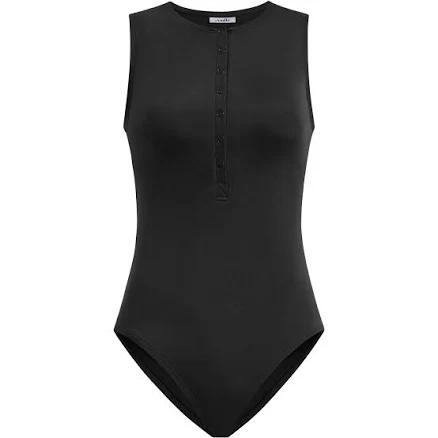
Andie Women's Swim Andie The Malibu One Piece Swimsuit
Lower concern for basic swimsuit, but Andie provides no transparency on water-repellent coating finishes.
Andie's Malibu One Piece is a standard nylon/polyester swim garment with no known Teflon-type coating or Teflon-family coating coatings. The brand discloses nothing about water-resistance treatment chemistry or PFAS practices.
The better-graded swap
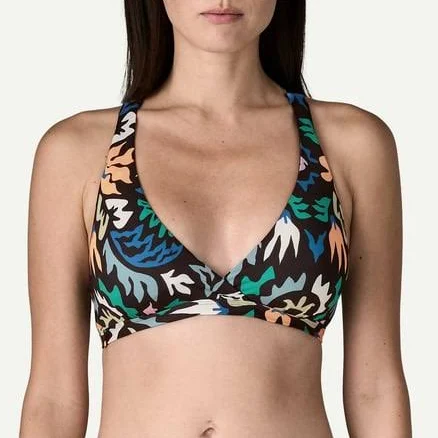
Patagonia
Patagonia Women's Bottom Turn Racerback Bikini Top
90/100 safety
Same rubric that flunked this product. The swap earned Excellent.
Still want this one anyway? Check the price on Amazon. We’d swap it.
Material
Nylon/polyester blend swimsuit fabric, likely uncoated
Brand disclosure
Brand is silent on PFAS
Lab data
No public lab test
You may also be interested in
Top-graded picks in the categories readers replace first, every one scored on the same rubric.

Aqua Pure
3M Aqua-Pure AP802B Whole House Filter Housing
- polypropylene filter housing, carbon/sediment cartridge
- We found no PFAS statement from the brand
- Bacterial growth in spent cartridges
3 hazards checked on this product. See all of them.

Aquasure
Premier Series 75 GPD Under Sink Reverse Osmosis Water Filtration System
- RO membrane, carbon filters, stainless steel housing
- We found no PFAS statement from the brand
- Bacterial and microbial growth in housing and filters
4 hazards checked on this product. See all of them.

Avocado
Vegan Mattress
- organic cotton, natural latex, coconut coir, recycled steel coils
- The brand calls it PFAS-free, which we have not verified
- Heavy metals
2 hazards checked on this product. See all of them.
What Andie Women's Swim Andie The Malibu One is made of, ingredients and materials
This is a nylon/polyester blend swimsuit fabric, likely a standard knit or jersey construction with no applied coatings mentioned. Nylon and polyester themselves are inert thermoplastics that do not leach BPA, phthalates, or heavy metals under normal wear or chlorine exposure. The real exposure window is the dye process and any elastic components (usually spandex/elastane); these carry more chemical risk than the base fibers. No evidence suggests Andie uses problematic azo dyes or heavy-metal pigments in standard colorways, but the brand does not publicly disclose dye sourcing.
What’s concerning
Category baseline
The starting point for this type of product, before anything specific to this product is counted.
No PFAS disclosure
No public statement from the brand about PFAS in this product.
Spandex/elastane degradation and leaching
Spandex elastane used in the waistband and leg openings degrades over time and with UV/chlorine exposure. No documented carcinogenic or endocrine-disrupting leaching from intact elastane, but degraded fibers may shed microfibers; replacement every 1-2 years mitigates this.
PFAS
Andie does not confirm whether water-repellent coating finishes are applied; if present, legacy PFAS (PFOA, PFOS) is unlikely given regulatory restrictions, but newer replacement PFAS variants cannot be ruled out without direct manufacturer confirmation.
Source, ATSDR ↗What’s reassuring
Base material not linked to PFAS
The main material recorded for this product is not one associated with PFAS.
Azo dyes and textile dye residues
Andie does not disclose dye chemistry or azo-dye avoidance. Standard industry practice and lack of documented incidents suggest low risk, but cold-water pre-wash is a sensible precaution for any swimsuit.
Formaldehyde / VOCs
No evidence that Andie applies formaldehyde-based finishes to nylon/polyester swimwear. Formaldehyde risk is higher in cotton and cotton-blend textiles; synthetic fibers rarely require this treatment.
Source, ATSDR ↗Lead
No recalls or test data for Andie swimwear show heavy-metal dye contamination. Industry standards and major retailers' QA practices generally exclude this risk, but Andie's silence on dye sourcing leaves uncertainty.
Source, ATSDR ↗The full breakdown
The brand's record and disclosure
Andie is a direct-to-consumer swimwear brand founded around 2018 with focus on inclusive sizing and body positivity messaging. The brand has not published detailed chemical disclosure, supply-chain transparency reports, or third-party certifications (OEKO-TEX, GOTS) as of available public record. No recalls or chemical contamination incidents are documented. The PFAS grade of 65/100 reflects the absence of published water-repellent coating (water-repellent coating) finish disclosure rather than confirmed use; this is a transparency gap, not confirmed risk.
How it compares in its category
Standard nylon/polyester swimwear is the baseline category norm; Andie's material choice is unremarkable and carries the same chemical profile as major brands like Speedo or Lands' End basics. Competitors offering OEKO-TEX certification or published PFAS-free guarantees (e.g., Girlfriend Collective, Kona Kai) provide more assurance, but cost more. Andie's lack of transparency puts it in the middle of the market rather than ahead or behind.
If you buy it
Wash in cold water before first wear to rinse residual dyes and finishes. Avoid prolonged heat (hot water, dryer); air dry to extend elastane lifespan and prevent shrinkage. Chlorine and salt water do not degrade nylon/polyester fibers significantly, so durability is mainly limited by spandex degradation (typically 1-2 years of regular use). Discontinue use if seams fray, elastic loses stretch, or discoloration occurs unevenly, as these indicate fiber breakdown.
What we don’t know
- Basis
- Model estimate, 72% confidence, not a lab result
- Lab test
- None on record for this exact product
- Brand statement
- Andie has made none
Formulations change between production runs, so check the current label. How we grade.
Better-graded alternatives in Swimwear
Patagonia
Women's Bottom Turn Racerback Bikini Top
- Nylon/polyester blend with elastane (standard swimwear)
- The brand calls it PFAS-free, which we have not verified
- Elastane (spandex) degradation under heat or chlorine
More swimwear grades
How we score, every product runs through the same public 0-100 rubric based on materials, coatings, brand disclosure, lab findings, and recalls. See the full methodology → Spotted a mistake? Report an error.