Aqua Pure · Whole-House Filters
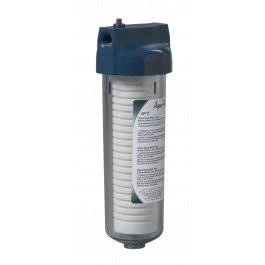
3M Aqua-Pure Whole House Water Filtration System AP11T
Lower-concern product, but 3M's silence on PFAS leaves room for caution.
The AP11T uses activated carbon and mechanical filtration, materials with lower inherent PFAS risk. However, 3M has not disclosed whether PFAS are used in cartridge manufacturing or treatment processes.
We flunk more products than we pass. This one earned its grade. How we grade
Material
Activated carbon filter media; plastic housing and cartridge frame
Brand disclosure
Brand is silent on PFAS
Lab data
No public lab test
You may also be interested in
Top-graded picks in the categories readers replace first, every one scored on the same rubric.

Aquasure
Premier Series 75 GPD Under Sink Reverse Osmosis Water Filtration System
- RO membrane, carbon filters, stainless steel housing
- We found no PFAS statement from the brand
- Bacterial and microbial growth in housing and filters
4 hazards checked on this product, all on its full breakdown.

Avocado
Vegan Mattress
- organic cotton, natural latex, coconut coir, recycled steel coils
- The brand calls it PFAS-free, which we have not verified
- Heavy metals
2 hazards checked on this product, all on its full breakdown.

- polyurethane foam
- We found no PFAS statement from the brand
- Volatile Organic Compound (VOC) Off-Gassing
4 hazards checked on this product, all on its full breakdown.
What 3M Aqua-Pure Whole House System AP11T is made of, ingredients and materials
The AP11T uses activated carbon filter media (primary contaminant capture material) housed in plastic cartridge frames and a plastic tank assembly. Activated carbon itself is inert and does not leach harmful substances into water under normal use conditions. The plastic housing is a thermoplastic polymer, typically polypropylene or similar, which remains stable when in contact with water at room temperature and does not release BPA, BPS, or phthalates into the filtered water supply under standard operating conditions.
What’s concerning
No PFAS disclosure
No public statement from the brand about PFAS in this product.
Bacterial growth and biofilm in filter cartridge
If the cartridge is not replaced on schedule or water sits stagnant in the housing, activated carbon's porous structure can support microbial colonization, including Legionella in warm climates. This is a maintenance failure risk, not a manufacturing defect, but is common to all carbon filters.
Carbon dust ingestion (loose media post-installation)
Newly installed or damaged cartridges may release small amounts of loose activated carbon particles into water, creating a mild grit or discoloration. Running water for several minutes after installation mitigates this and is standard practice.
Ineffective contaminant reduction if cartridge oversaturated
Activated carbon has a finite adsorption capacity; if the cartridge is used beyond its rated lifespan or in extremely contaminated water, it will stop removing target contaminants (chlorine, sediment, taste/odor) and may allow pathogens to pass through. Regular replacement on schedule is essential for safety.
PFAS
3M has not publicly stated whether the AP11T removes PFAS, and it is not NSF-certified for PFAS reduction. Given 3M's known involvement in PFAS contamination, this silence raises legitimate concerns for consumers in areas with documented PFAS in water supplies.
Source, ATSDR ↗What’s reassuring
Base material not linked to PFAS
The main material recorded for this product is not one associated with PFAS.
BPA & bisphenols
The thermoplastic cartridge frame and tank are designed for room-temperature water contact and do not leach endocrine disruptors or plasticizers under normal operating conditions. No published recalls or safety alerts exist for this product model.
Source, FDA ↗How is this PFAS grade calculated?
The brand's record and disclosure
3M (Aqua-Pure's parent company) has faced significant public scrutiny and litigation regarding PFAS contamination in drinking water and has settled multiple lawsuits related to PFAS pollution. However, 3M has not issued public statements specifically addressing PFAS removal or non-removal by the AP11T model, leaving uncertainty about the company's transparency on this filter's capabilities. The cartridge meets NSF/ANSI standards for chlorine and sediment reduction, but NSF certification does not guarantee PFAS removal unless explicitly tested and listed for that contaminant.
How it compares in its category
Whole-house activated carbon filters like the AP11T are standard in the market and share the same core safety profile, inert media, stable plastic housings, and no known leaching hazards under normal use. This product does not differ materially from competitors (Culligan, Pentair, Home Depot brands) in material safety. The main differentiator is 3M's corporate PFAS history, which introduces reputational uncertainty rather than a direct product defect, competitors also typically do not market PFAS removal without specific testing.
If you buy it
Replace the cartridge every 6-12 months (or per your water hardness and usage) to prevent bacterial biofilm accumulation inside the filter housing; standing water in an unmaintained cartridge can harbor Legionella and other microorganisms. Do not expose the plastic tank to temperatures above 100°F (38°C) or direct sunlight, as thermal stress may degrade the housing material. Run water for 2-3 minutes after a new cartridge installation to flush any loose carbon dust. If PFAS in your drinking water is a known concern in your region, request a water quality report or pursue additional testing, this filter is not marketed as PFAS-specific.
What is not known about PFAS in this product?
- Basis
- Model estimate, 72% confidence, not a lab result
- Lab test
- None on record for this exact product
- Brand statement
- Aqua Pure has made none
Formulations change between production runs, so check the current label. How we grade.
More whole-house filters grades
How we score, every product runs through the same public 0-100 rubric based on materials, coatings, brand disclosure, lab findings, and recalls. See the full methodology → Spotted a mistake? Report an error.